

Zhaoqing sits in western Guangdong where the Beijiang and Xijiang rivers meet, cradled by the same limestone karst scenery that made nearby Guilin famous. This Zhaoqing travel guide is written for foreign visitors who want a slower, greener alternative to the mega-cities of the Pearl River Delta. You get Seven Star Crags rising from a calm lake, a protected primeval forest an hour away, and a compact old town with a Ming-era city wall. It is close enough to Guangzhou for a relaxed day trip, yet distinct enough to deserve two or three nights of its own.
Getting to Zhaoqing
Most international travelers arrive via Guangzhou or Hong Kong, then connect by high-speed train. The Guangzhou travel guide explains how to reach the city and which station to use. From Guangzhou South Railway Station, direct trains to Zhaoqing East take about one hour, and the ride itself is pleasant as the flat delta gives way to rounded green hills. If you are planning a wider trip, our China high-speed train guide for foreigners covers buying tickets, using your passport, and avoiding common booking mistakes.
Within the city, ride-hailing apps and metered taxis are cheap, but the central sights along Star Lake are walkable. Buses are frequent and cost almost nothing, though signage is mostly in Chinese. If you prefer to drive, car-rental with a Chinese license is possible, but for most visitors the train plus taxis is simpler and faster.
Best Time to Visit Zhaoqing
The best time to visit China guide gives the national picture, but locally the sweet spots are spring (March to May) and autumn (October to November). Spring brings mist over Star Lake and comfortable hiking weather; autumn is dry, clear, and ideal for the mountain. Summer is hot and humid with sudden downpours, while winter is mild by northern standards but can be grey and damp. Avoid the first week of October (National Day holiday) if you can, when domestic crowds swell at every scenic area. The lunar new year period is festive but many small restaurants close for a few days.
Top Things to Do in Zhaoqing
Seven Star Crags and Star Lake
The signature sight is Seven Star Crags, seven knob-shaped limestone peaks scattered across Star Lake. You can walk the lakeside promenade for free, or pay to enter the scenic zone with boat rides, a cave, and gardens. Go early for the best light and thinnest crowds. The reflection of the crags in still morning water is the postcard image of the city. Inside the paid area there is also a small zoo and the Stone Chamber karst cave, cool and lit in summer.
Dinghu Mountain
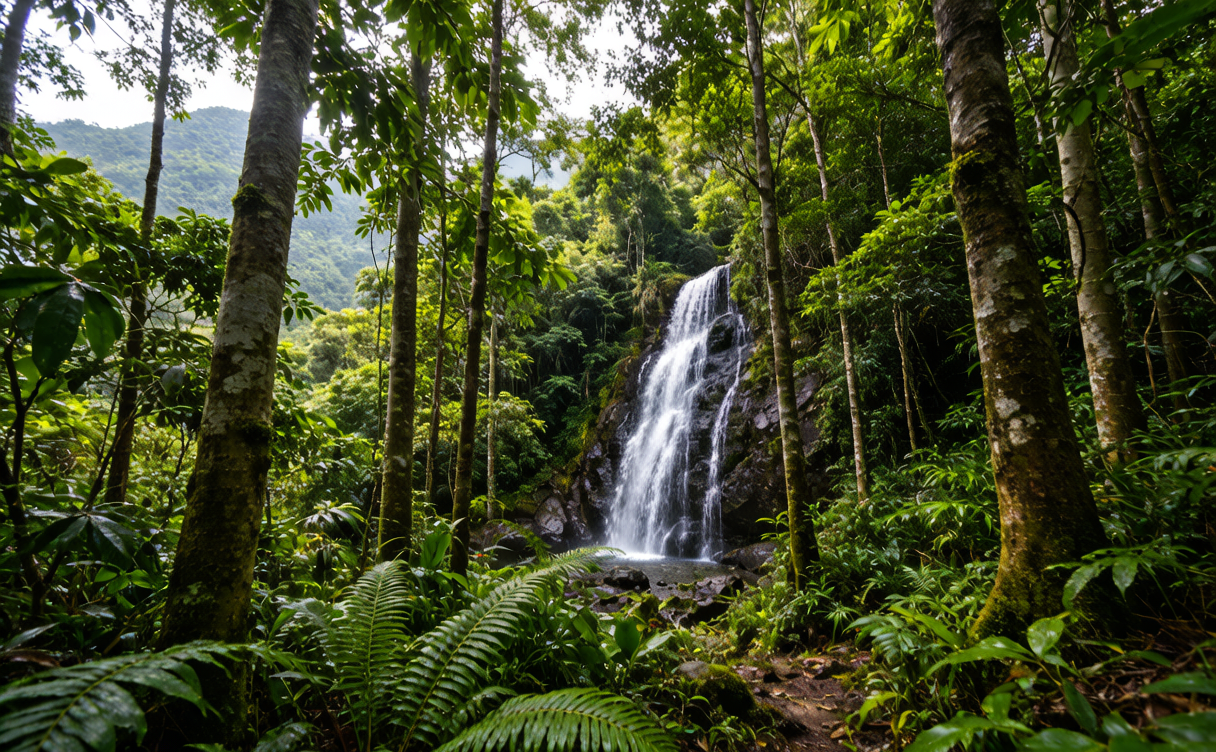
About 20 kilometers east of the center, Dinghu Mountain is a rare subtropical primeval forest, cool even in summer, with tiered waterfalls and the serene Qingyun Temple tucked among ancient trees. Budget a full half-day. The Butterfly Valley and Flying Waterfall are the headline stops. Bring mosquito repellent and decent shoes; the stone paths get slick after rain. The mountain is also a noted Buddhist site, and the vegetarian meals served at the temple canteens are a quiet highlight.
Ming City Wall and Ancient Town
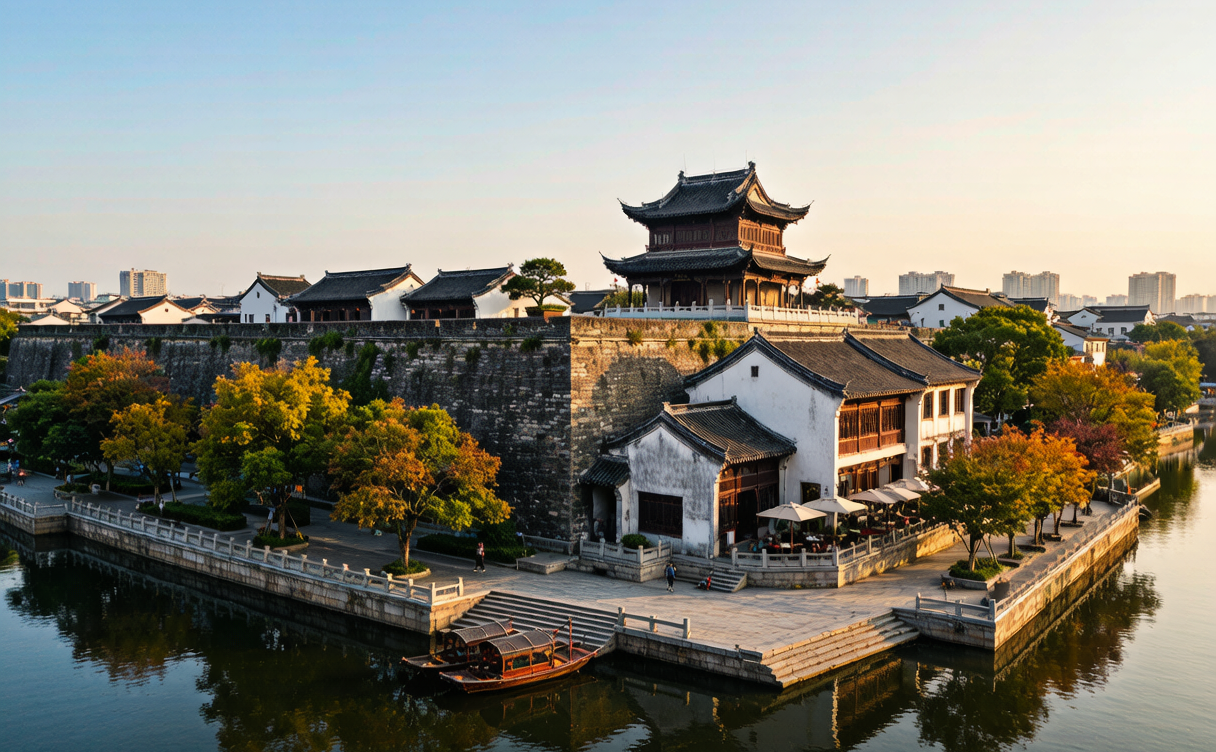
Zhaoqing keeps a stretch of its Ming dynasty city wall along the river, one of the better-preserved examples in Guangdong. Nearby, the Package Pavilion (Baozheng Lou) and the former residence of celebrated statesman Bao Zheng make an easy stroll. The riverside is lively in the evening with locals walking, dancing, and eating. The old town lanes behind the wall still hold traditional shophouses selling herbs, tea, and snacks.
Qixing Lake and Wetlands
Beyond the main crags, the wider lake system supports birdlife and lotus beds. Rent a bike along the dedicated paths, or simply sit at a lakeside teahouse and watch the light change. Morning tai chi groups practice on the lawns, and joining or watching them is a free, authentic slice of local life.
Where to Eat: A Zhaoqing Food Guide
Guangdong cuisine reaches Zhaoqing with a local accent. Don’t miss Zhai good (vegetarian mock-meat dishes) from the temples, river fish fresh from the Xijiang, and stuffed tofu (neng geng). The night market near the old town is the place to sample skewers, rice noodles, and sweet soups. For a deeper dive into the regional table, our Guangzhou dim sum guide pairs perfectly with a side trip to the provincial capital.
Vegetarians are well served here thanks to the temple tradition. Look for restaurants near Dinghu Mountain that specialize in mountain herbs and fungi. Portions are generous and prices are low compared with Guangzhou or Shenzhen. A typical local breakfast is rice noodle rolls or congee from a street cart, costing only a few yuan.
A Sample Zhaoqing Itinerary
A practical Zhaoqing itinerary for first-timers:
Day 1: Arrive from Guangzhou by morning train. Settle in, then walk the Star Lake promenade and the Ming city wall at golden hour.
Day 2: Full day at Dinghu Mountain. Take the shuttle to the waterfall, visit Qingyun Temple, and hike the forest loops. Return for a riverside dinner.
Day 3: Boat the Seven Star Crags scenic zone, explore the old town and Package Pavilion, then train back or onward.
If you have a fourth day, add a cycling loop around the lake or a side trip to the smaller Yeniang Mountain scenic area.
Where to Stay
Most visitors stay in the Duanzhou district, within walking distance of Star Lake. International-standard hotels cluster near the lakefront, while budget travelers will find clean guesthouses and chain hotels around the train station. Book ahead during spring festival and the October holiday. The lakefront addresses cost more but save you transit time and give you the morning mist for free. For longer stays, serviced apartments near the government district offer good value.
Practical Tips
Carry small cash for temple donations and market stalls, though mobile payment dominates. Download an offline map, as rural signal around the mountains can drop. English is limited, so a translation app is essential; screenshots of your hotel address in Chinese help taxi drivers. Tap water is not for drinking, so buy bottled water. The scenic areas accept national ID or passport at the gate. Wear sun protection even in spring, as the lake glare is strong.
For broader context on the province and nearby cities, the Wikipedia entry on Zhaoqing is a handy reference.
Suggested Side Trips
Zhaoqing works as a calm base before or after Guangzhou. Many travelers pair it with a swing through the delta, or head west toward the more rugged landscapes of the border regions. Because it sits on a major rail line, adding it to a southern China route is simple and rewarding. The nearby Fengkai and Deqing counties hold ancient banyan trees and cliff carvings for those with extra days.
A relaxed visit here balances nature and culture without the fatigue of big-city tourism. The combination of lake, forest, and old stone is what sets Zhaoqing apart from its louder neighbors.
Getting Around on a Budget
Trains, local buses, and walkable cores keep costs low. This makes Zhaoqing a smart add-on for travelers watching their spend while still wanting distinctive scenery. A day’s local transport rarely exceeds a few dollars if you avoid private cars.
Whether you come for the crags, the forest, or the quiet old streets, Zhaoqing rewards a slower pace. Build it into your Guangdong itinerary and you will see a gentler, greener side of the province.