

Huai’an lies where the Grand Canal crosses the Huai River in northern Jiangsu, a city built on water, trade, and scholarship. This Huai’an travel guide is for foreign visitors who want the canal-town atmosphere of the Yangtze delta without the tourist crowds of Suzhou or Hangzhou. Here you walk stone bridges over quiet canals, tour the childhood home of Zhou Enlai, and eat some of the most distinctive river food in eastern China. It is an easy high-speed train hop from Shanghai, Nanjing, or Xuzhou.
How to Get to Huai’an
Huai’an has two stations: Huai’an Station on the main north-south line and Huai’an East. Trains from Nanjing take roughly two hours, from Shanghai about three, and from Xuzhou under ninety minutes. Our China high-speed train guide for foreigners walks you through booking with a passport and navigating the stations. The nearest major international gateway is Nanjing Lukou Airport, with a connecting train or long-distance bus. Some travelers also fly into Shanghai and take the fast train west, which is comfortable and scenic.
Once in town, the sights spread across the old canal district, the new central area, and the riverside county of Xuyi to the south. Taxis and ride-hailing cover the gaps, but the historic core is best on foot. Bikes are available near the canal and make a pleasant way to trace the water.
Best Time to Visit Huai’an
The best time to visit China overview applies well here: spring (April to May) and autumn (September to November) are the comfortable seasons. The canal district is lovely when the lotuses bloom in early summer, though humidity rises. Winters are cold and damp but rarely snowy, and you will have the gardens almost to yourself. Avoid the National Day week in early October if you dislike crowds. The Qingming festival in spring brings river outings that are atmospheric but busy at the boat docks.
Things to Do in Huai’an
The Grand Canal and Historic Quarter
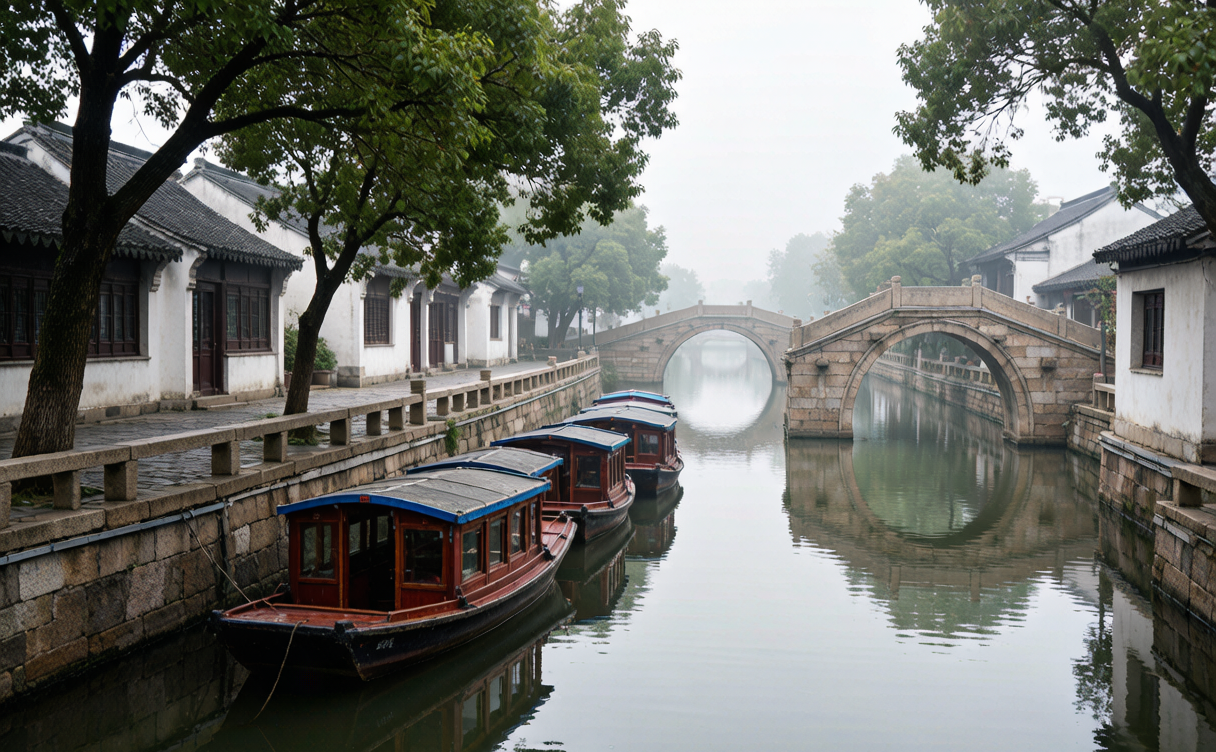
A Huai’an canal tour is the heart of any visit. The city was a key transit point where the north-south Grand Canal met the east-west Huai River, and the old wharves, granaries, and guild halls still line the water. Take a boat from the Qingjiangpu historic area to see the city from the water, passing stone bridges and restored merchant houses. The canal museum explains how this artery fed a continent for a thousand years. Evening is the best time to ride, when lanterns reflect on the surface.
Zhou Enlai Memorial
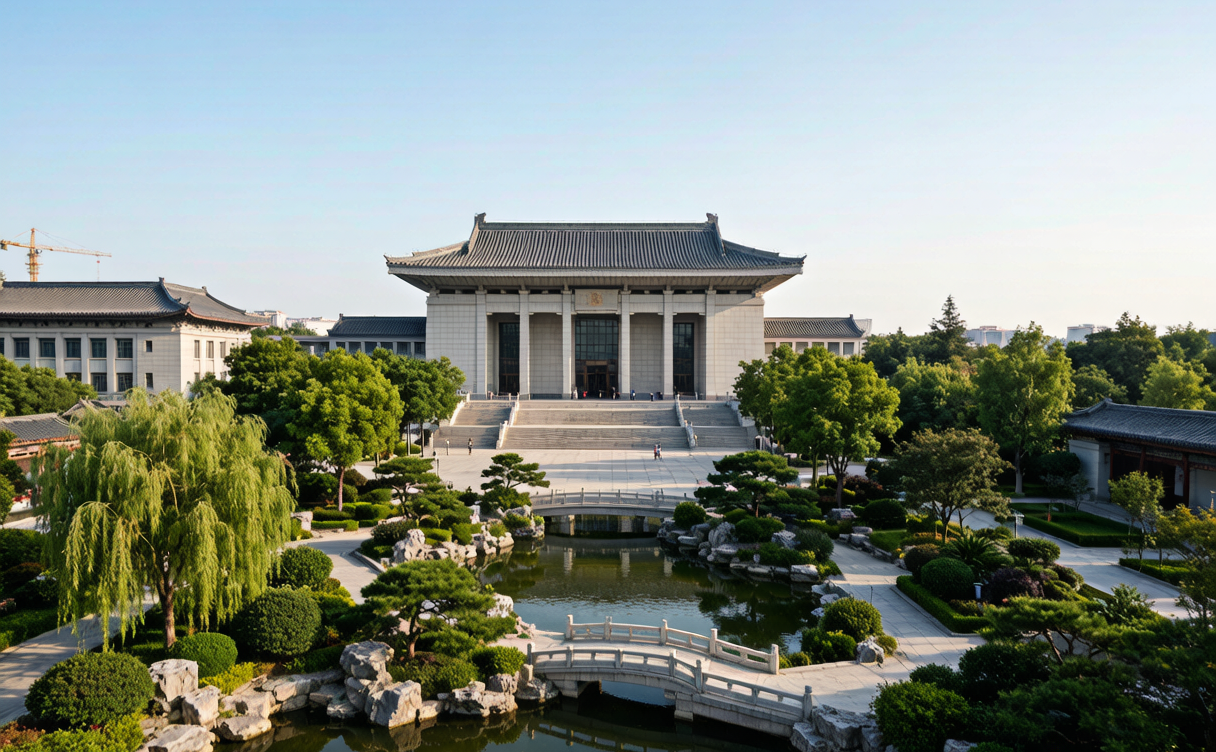
The former residence and memorial hall of Zhou Enlai, one of modern China’s most respected statesmen, draws Chinese visitors from across the country. The humble courtyard home where he grew up is preserved with original furniture, and the adjacent hall uses photographs and documents to tell his story. Even for foreign travelers with little background, the site is calm, well presented, and genuinely moving. Allow at least two hours, and read the English panels to follow the timeline.
Scholar Gardens and Classical Architecture
Huai’an produced a remarkable number of imperial scholars, and their refined gardens survive in pockets around the old town. The Wu Cheng’en Former Residence celebrates the author of the classic novel Journey to the West, who was born here. Small, quiet, and rarely busy, these courtyards show the literary side of canal wealth. The Shen Kun Former Residence is another graceful stop, with rockeries and a study pond.
Xuyi and the Huai River Confluence
South of the city, Xuyi county sits near the famous junction of the Huai River and the Hongze Lake. It is known for archaeology, river scenery, and the region’s signature crayfish. A half-day excursion here adds a different landscape to the urban canal views. The First Mountain (Shou Shan) cliff inscriptions are a quiet highlight for history buffs.
Where to Eat: A Huai’an Food Guide
Huai’an cooking sits within the Huaiyang family, one of China’s revered culinary traditions, prized for knife skill and clear, elegant flavors. Must-tries include soft-shelled turtle soup, braised river eel, and the famous Huai’an tea-shrimp. In summer, Xuyi crayfish with beer is a regional obsession. For travelers building a food-focused route, our China food tour guide shows how to string together regional cuisines across the east.
Vegetarian and noodle options are easy to find, and street snacks around the canal quarter are cheap and safe. Ask for “bu la” (not spicy) if you prefer mild food, since some river dishes carry a chilli kick. A canal-side restaurant at dusk, ordering two or three shared dishes, is the quintessential Huai’an meal.
A Sample Huai’an Itinerary
Day 1: Arrive and walk the Qingjiangpu canal historic area in the late afternoon, then dinner by the water.
Day 2: Morning boat tour of the Grand Canal, then the Zhou Enlai residence and memorial. Afternoon at the Wu Cheng’en residence and a scholar garden.
Day 3: Day trip to Xuyi for the river confluence, archaeology, and crayfish, then train onward.
If your time is short, one full day covers the canal and memorial comfortably.
Where to Stay
Stay in the Qingjiangpu district if you want to be steps from the canal and the evening action. The central new city has more international-standard hotels and better transport links. Budget guesthouses cluster near the train stations. Book ahead for the May and October holidays. Riverside rooms cost a little more but put the water at your window.
Practical Tips
English is minimal, so a translation app and screenshots of addresses in Chinese are essential. Mobile payment rules, but larger hotels and scenic ticketing accept international cards and cash. The canal boats run on daylight hours; confirm the last departure. Summers are hot, so carry water and a hat. For wider planning in the region, the Wikipedia entry on Huai’an gives useful background.
Money and Getting Around
Huai’an is gentle on the budget. Canal boat rides and garden entries are inexpensive, and street food keeps daily costs low. The historic core is walkable, so you can skip taxis for most of a day, spending only on the trip out to Xuyi if you choose it. A local SIM or eSIM helps with maps and translation, since signage in the old town is mostly Chinese. Keep small cash for the night-market stalls, and confirm boat times at the dock rather than trusting older printed schedules, which change with the season.
Pairing Huai’an With Nearby Cities
Huai’an slots neatly between two canal giants. Many travelers combine it with a visit north to Yangzhou or south to Suzhou, building a relaxed Grand Canal route that avoids the busiest names. Trains make each leg short and comfortable. A three-city loop of Huai’an, Yangzhou, and Suzhou is one of the finest slow trips in eastern China.
Huai’an rewards visitors who enjoy history told at a human scale, along with excellent food and uncrowded streets.
Why Visit Now
As high-speed rail keeps opening the interior, cities like Huai’an are becoming far easier for foreign travelers to reach. The infrastructure is modern, the prices are gentle, and the welcome is warm. Few places let you drift a canal at dawn and tour a statesman’s home before lunch.
Whether your interest is waterways, literature, or simply good eating, Huai’an delivers a calm, authentic taste of Jiangsu.