

I live in Wuhan part of the year, and for the longest time Xiaogan (孝感) was just a blur of high-rise blocks outside the train window on the way to the west. Then I actually got off the train, and I found a small Hubei city built around a filial-piety legend, famous for rice wine and sesame candy, with a hot-spring town and a forested mountain both under an hour away. This Xiaogan travel guide comes from two trips I made in 2025, one in spring and one in late autumn, with prices I paid myself, and it is written for anyone using Wuhan as a base and wondering what is within a cheap train ride.
How to get to Xiaogan
Xiaogan is the easiest side trip from Wuhan you can imagine. High-speed trains from Wuhan Station or Hankou Station to Xiaogan East (孝感东) take 20 to 40 minutes, and I paid RMB 18 to 33 for second class in 2025. Trains leave constantly, basically every 15 to 30 minutes from early morning to around 10 p.m., so you can do it as a day trip or stay over without planning. For ticket apps and ID rules, our China high-speed train guide for foreigners is the primer I hand to every visiting friend, and it covers the small things, like matching your passport number to the ticket, that trip up first-timers.
If you are coming from farther afield, Wuhan is the real hub: the Wuhan travel guide explains how to land, which station to use, and how to chain day trips like this one. DiDi inside Xiaogan is cheap; nothing I rode cost more than RMB 25, and the city center is compact enough that you can walk most of it.
Best time to visit Xiaogan
Spring (March to May) is my pick: the parks are green, the rice-wine festival vibe is mild, and it is warm without being sticky. Autumn (September to early November) is the other good window, cool and clear, and it is also peak season for the Tangchi hot springs, when the outdoor pools feel best. Our best time to visit China guide places Hubei in the national calendar if you are sweeping several provinces, and it is worth a glance because Hubei’s humidity peaks hard in July and August. The city itself is documented on Xiaogan at Wikipedia if you want the administrative background before you travel.
The filial-piety city and its parks
Xiaogan’s name means “filial piety” and comes from the legend of Dong Yong, a poor man who sold himself into servitude to bury his father and whom a goddess (the seventh fairy) married. The city leans into this with a Dong Yong Park (董永公园) right in the center, free to enter, with a small temple and pond where locals do morning tai chi. I spent a slow hour there with a takeaway rice wine and watched the city wake up. It is not a headline sight, but it is the most honest window into how the place sees itself, and the old folk who sit on the benches will happily tell you the story if you point at the statue.
Nearby, the Xiaogan Museum (free, closed Mondays) has a decent set of local ceramics and a short exhibit on the Dong Yong story in both Chinese and English. I would not cross the country for it, but as a half-day from Wuhan it is a gentle, low-cost introduction to provincial Hubei life, and the rooftop gives a good view over the plain.
Shuangfeng Mountain and Tangchi hot springs
For nature, I took a bus northwest to Shuangfeng Mountain (双峰山), about an hour out, with a RMB 60 to 80 scenic-area ticket in 2025. The twin peaks give a real half-day hike through pine forest and a reservoir; I counted maybe two dozen other visitors on a weekday in April. Trails are graded and safe, but bring water, because the only stalls near the top sell overpriced cola, and the shade runs out on the south face by midday.
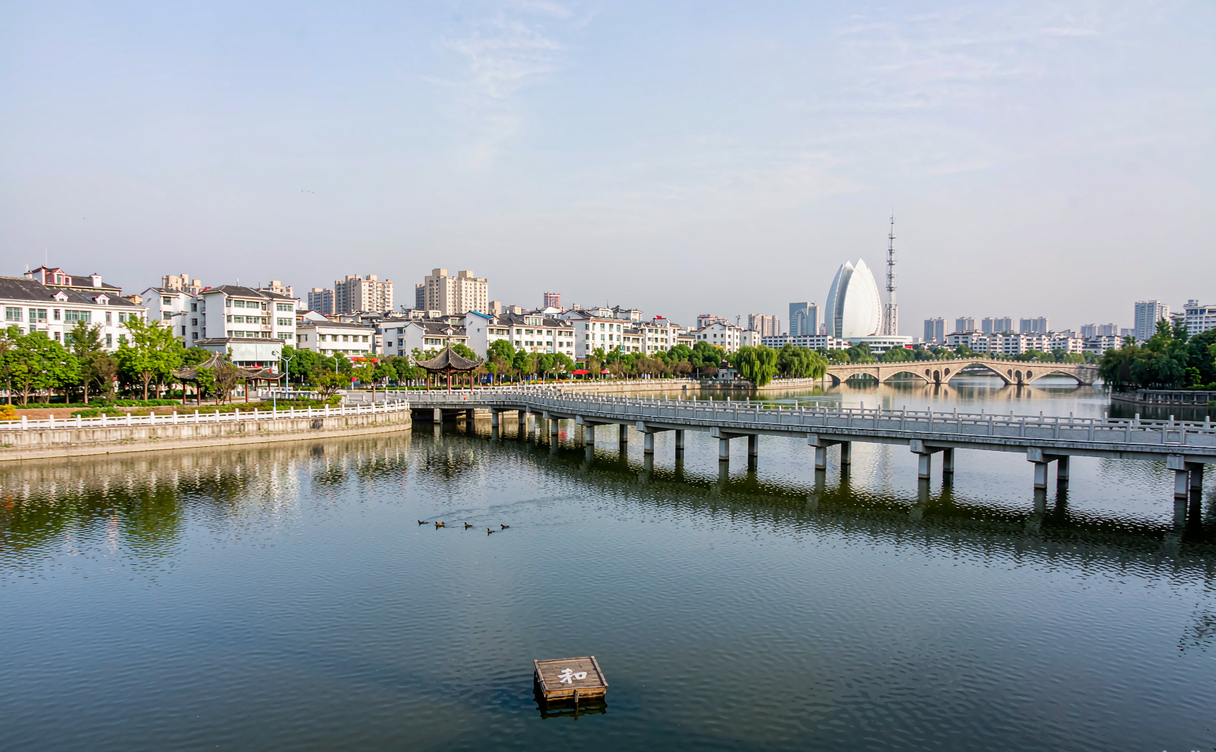
My autumn trip went the other direction, to Tangchi (汤池) hot springs in Yingcheng County, about 50 minutes by car. The resort complexes charge RMB 120 to 180 for a day pass to the outdoor pools, and on a cool November evening it was the best money I spent all month. As with any hot-spring visit, shower before and after, and do not overstay a single session, because the heat sneaks up on you. The resorts rent lockers and robes, so you do not need to haul a towel from the city.
What to eat in Xiaogan
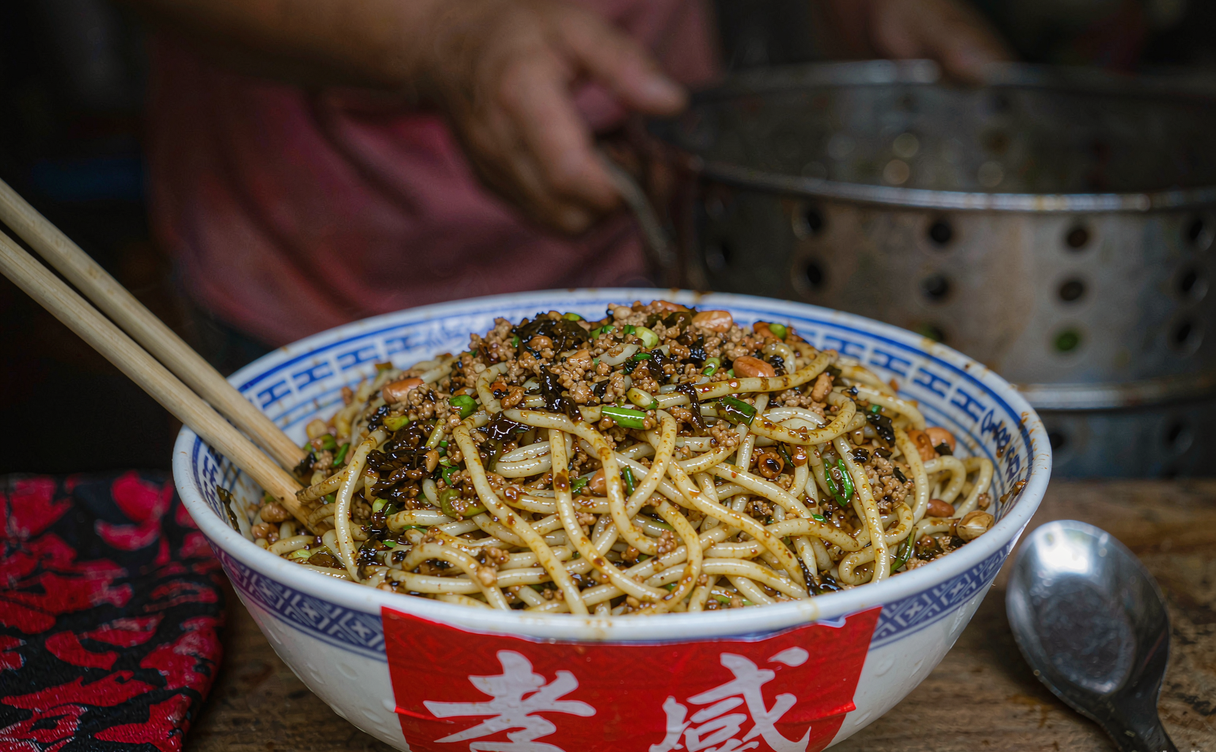
Xiaogan’s calling card is xiaogan rice wine (孝感米酒), a sweet fermented glutinous-rice drink served warm, often with tiny rice balls (tangyuan) bobbing in it. A bowl at a breakfast stall cost me RMB 6 to 10, and I drank it most mornings. The other signature is mahua sesame candy (麻糖), brittle and honeyed, sold in boxes at RMB 15 to 30 as gifts. For the city’s full snack list, our Wuhan food guide compares Xiaogan’s sweets with the capital’s street food, and our Wuhan hot-dry noodles guide is required reading if you want the region’s noodle baseline before you travel, because the hot-dry noodles here taste different from the Wuhan version and you will want to know why.
A sit-down meal I liked was steamed lake fish with pickled vegetables, RMB 48 to 65, and a cold plate of pressed tofu with chili for RMB 18. Portions are generous; one dish plus rice fed me and a friend, and the rice wine on the side made it a meal.
A practical Xiaogan itinerary
Day trip version: morning train from Wuhan, Dong Yong Park and museum before noon, rice wine and sesame candy for lunch, afternoon at Shuangfeng Mountain or Tangchi depending on season, train back to Wuhan for dinner. That is doable in a single long day and cost me about RMB 250 to 400 all in. Overnight version: add a second morning in the old streets and a slower Tangchi soak, staying at a city hotel (RMB 140 to 220) or a Tangchi resort (RMB 400 to 700 with a room). Our China train vs flight guide helps if you are deciding whether to rail or fly between Hubei and the next province, though for Xiaogan the train wins every time.
Where to stay and book
I booked the city hotel on Ctrip with Alipay and had no card trouble; the Tangchi resorts took international cards on their own sites. Xiaogan East Station is the high-speed stop and sits a short DiDi from the center, so pick a hotel near there if you are doing a same-day round trip from Wuhan. The old town has more character but fewer new hotels, so I split my two trips: new hotel by the station, long lunch in the old streets.
Xiaogan will not blow your itinerary apart with must-see wonders, and it does not try to. It is the quiet, well-fed neighbor of a giant city, close enough to visit on a whim and calm enough to reset your pace. If you are already in Wuhan for a few days, the 30-minute train is the cheapest interesting decision you will make all trip, and the rice wine alone is worth the fare.