

I had bounced through Changsha half a dozen times before I finally took the short hop north to Yiyang (益阳), and I regret the wait. Sitting on the south shore of Dongting Lake, China’s second-largest freshwater lake, Yiyang is where the Zijiang and Zhi rivers slow into marsh and reed bed, and where the tea-horse roads of western Hunan once began. This Yiyang travel guide is built from a three-day trip I made in May 2025, with real prices and the transport I actually used, plus a second visit in autumn when the lotus had gone but the light was better for photos.
How to get to Yiyang
Yiyang is almost embarrassingly easy to reach from Changsha. High-speed trains from Changsha South to Yiyang South (益阳南) take about 35 to 55 minutes, and I paid RMB 37 to 55 for second class in 2025. Services run from early morning until late evening, roughly every 20 to 40 minutes, so you can treat Yiyang as a half-day escape or an overnight base. If you are new to Chinese rail, our Changsha travel guide shows which station to leave from, and our China high-speed train guide for foreigners is the reference I used before the trip, with the app names and the ID rules spelled out.
Once in town, the center is flat and walkable, and DiDi rides between the riverfront and the bus station never cost me more than RMB 20. For the tea-country day trips you will want a driver; I hired one through the hotel for RMB 300 for a half-day loop to Anhua, which worked out cheaper than the public bus once there were three of us splitting the fare. Yiyang has no airport worth mentioning, so Changsha is the air gateway.
Best time to visit Yiyang
Because Yiyang lives at the edge of Dongting Lake, the weather swings with the water. Spring (March to May) and autumn (September to November) are best, with daytime temps of 18 to 26°C and clear light over the reeds. Summer brings flood-season humidity and mosquitoes thick enough to hear, though the lotus blooms on the lake are spectacular in July and draw local crowds. Winter is cold, grey, and quiet, with the occasional freeze that makes the reed beds crackle. Our best time to visit China guide lines up the national windows if you are combining this with Sichuan or Hubei, and it helped me pick May over October for the birdlife.
Dongting Lake and the reed shores
The reason to come is the water. From Yiyang I took a local bus to the lakefront township of Qiaohu and joined a small fishing boat (RMB 80, negotiated on the spot) that pushed through reed channels for two hours. In late spring the lake is a nursery for migratory birds, and the boatman pointed out egrets and the occasional crane without any park-entrance fee, just the boat. The lake itself is documented in detail on Dongting Lake at Wikipedia if you want the hydrology and the flood history before you go. For a fuller plan on the wider wetland, our Dongting Lake guide covers the Hunan and Hubei shore towns and the best bird months, which is the piece I wish I had read first.
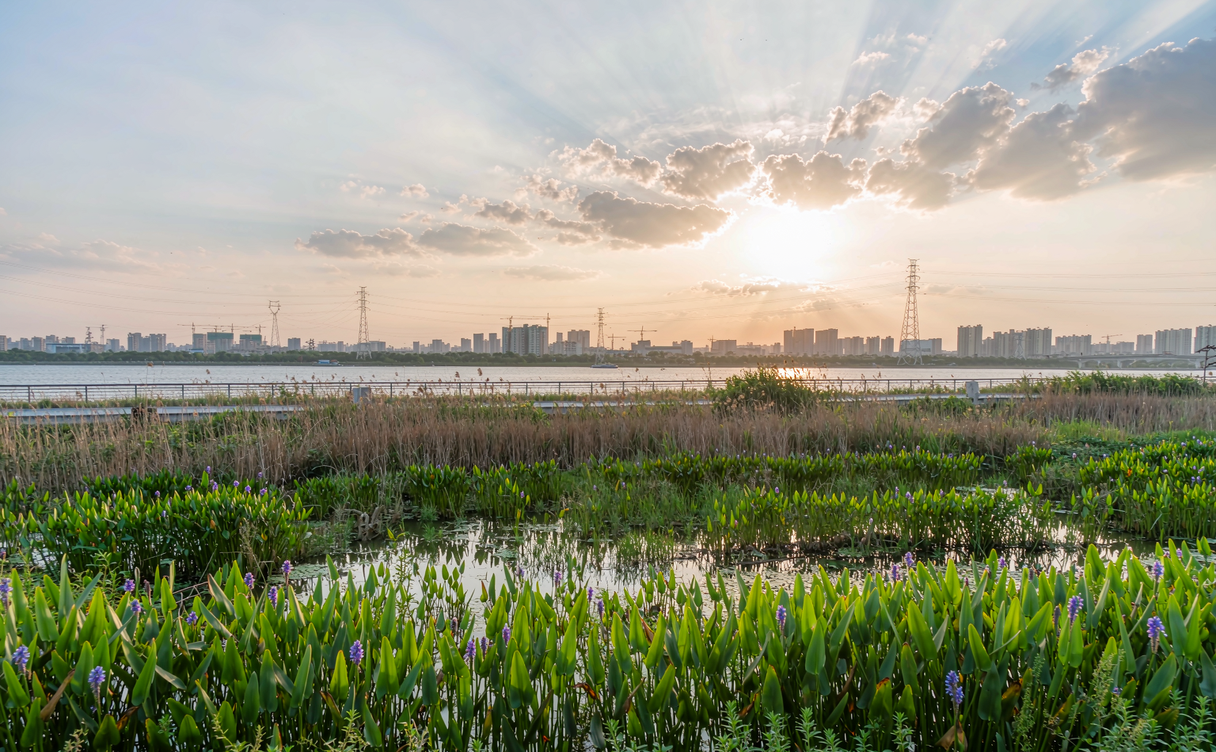
A word of caution from experience: the lake’s edge is mudflat, not beach. I wore sandals and regretted it; closed shoes you do not mind getting wet are the move. Also, water levels swing hugely between flood and dry season, so the same dock can be a kilometer from open water in winter, and the boat ride you booked in May may be a walk in January.
Anhua and the dark tea roads
My favorite day was the drive west to Anhua County, the birthplace of Anhua dark tea (安化黑茶), a fermented brick tea that traveled the old tea-horse road into Tibet, China and beyond. I visited a working workshop where they stack the tea bricks to ferment, and a small tasting set me back RMB 30. The nearby tea-horse trail (茶马古道) is a restored stretch of stone path with a modest RMB 60 ticket; it is more curated than wild, but the gorges it follows are genuinely pretty, and the river below is clean enough that locals were swimming.
The town of Dongping in Anhua also has a riverside old street where I ate for almost nothing. If you like this kind of slow heritage walk, our China food tour guide pairs well, since tea culture and snacks go hand in hand here, and the same piece taught me to ask for the “thick” lei cha rather than the watery tourist version.
What to eat in Yiyang
Yiyang cooking is lake food first: freshwater fish, lotus root, and reed shoots. A plate of steamed lake fish with fermented chili ran RMB 45 to 68 at a riverside joint, and a bowl of lotus-root pork rib soup was RMB 18. The snack I still think about is Anhua lei cha (安化擂茶), a gritty ground-tea porridge with sesame, peanuts, and rice that locals serve as a meal; a filling bowl was RMB 10 to 15. For the regional context and how this differs from the capital’s street food, our Hunan cuisine guide explains the lake-versus-mountain split in Hunan flavors, and I found Yiyang gentler and less oily than Changsha, which my stomach appreciated after a week of heavy stir-fries.
I also tried the local rice wine at a night stall for RMB 8 a cup, and a plate of river shrimp dry-fried with chili for RMB 38 that three of us cleaned up. Portions by the lake are built for sharing, so order one dish per person plus rice and you will leave full.
A practical Yiyang itinerary
Here is the two-night version I ran. Day one: morning train from Changsha, drop at a city hotel (RMB 150 to 240 for a clean double), walk the Zijiang riverbank, dinner on fish. Day two: bus or driver to the Dongting shore in the morning, boat ride, then afternoon train or driver west to Anhua for the tea trail, overnight in Anhua or back in Yiyang. Day three: lei cha breakfast, a slow market wander, train back to Changsha by noon. If you have a fourth day, the Nan County reed boardwalk south of the city is a quiet add-on for RMB 20.
My total spend was about RMB 700 to 950 excluding the Changsha train, which is about as cheap as travel gets in this part of China. The trick is to eat at the stall lines rather than the sit-down restaurants aimed at tour groups, where the same fish costs double.
Where to stay and book
I used Ctrip for the city hotel and paid with Alipay; the international-card glitch only hit the tiny Anhua guesthouses, where I settled in cash (RMB 120 a night). Yiyang South Station area is newest and quietest, while the old riverfront is livelier at night but noisier in the morning. Book the riverfront if you want the sunrise walk, the station area if you want an early train out.
Yiyang is the kind of place that rewards a traveler who already suspects the famous cities are not the whole story. An hour from Changsha you get a working lakeside town, a fermented-tea heritage trail, and reed beds that go on farther than you expect. It will not crowd your photo album, but it might be the calmest two days of your Hunan trip, and the cheapest lesson in why the lake country is worth a detour.