

This Wuhan travel guide is for foreign visitors who want to look beyond Beijing, Shanghai and Xi’an and discover the energetic heart of central China. Straddling the Yangtze and Han rivers, Wuhan is a sprawling metropolis of more than eleven million people that blends dizzying modern skylines with leafy lakes, a famous riverside tower, and one of the country’s most beloved cherry blossom seasons. If your idea of China is only ancient capitals and neon districts, a few days here will pleasantly surprise you with its food, its waterfront energy, and its easy connections to the rest of the country.
Best Time to Visit
The best time to visit Wuhan is spring (March to May) and autumn (September to November). Spring brings mild temperatures and the city’s headline event, the Wuhan cherry blossom season, when thousands of trees around Wuhan University and East Lake burst into pink and white. April is the sweet spot: blossoms usually peak in late March to early April, and the weather is comfortable for long walks along the rivers.
Autumn is equally pleasant, with cool, dry days ideal for lake cycling and rooftop bars. Summer (June to August) is hot and humid — Wuhan is one of China’s famed “three furnace cities” — with temperatures often above 35°C. It is still visit-able, but you will spend more time indoors, in malls, museums and along the breezy riverbanks. Winter is cold and damp but rarely sees heavy snow, and hotel prices dip. If you are flexible, check our guide to the best time to visit China before locking in your dates, since weather patterns vary a lot across regions.
How to Get There
Wuhan is one of China’s great transport hubs, which makes it an easy and logical stop on almost any multi-city itinerary.
By high-speed train: Wuhan’s three main stations — Hankou, Wuchang and Wuhan — sit on the national high-speed network. Trains from Beijing take around 4–5 hours, from Shanghai about 4.5–6 hours, from Guangzhou roughly 3.5–4 hours, and from Xi’an about 4–5 hours. Fares vary by class and season; second-class seats are comfortable and affordable. For ticketing tips, seat classes and how to use the official 12306 system, see our China high-speed train guide for foreigners.
By air: Wuhan Tianhe International Airport (WUH) handles flights from every major Chinese city and a growing number of international routes, often via hubs such as Beijing, Shanghai or Guangzhou. Metro Line 2 connects the airport to the city center in about 40 minutes, and taxis take roughly an hour depending on traffic.
By long-distance bus and river: Intercity buses link nearby cities, and the occasional Yangtze cruise stops in Wuhan, though most visitors arrive by rail or air.
Top Things to Do
Wuhan is large, so concentrate on a handful of standout sights rather than trying to see everything in one trip.
Yellow Crane Tower
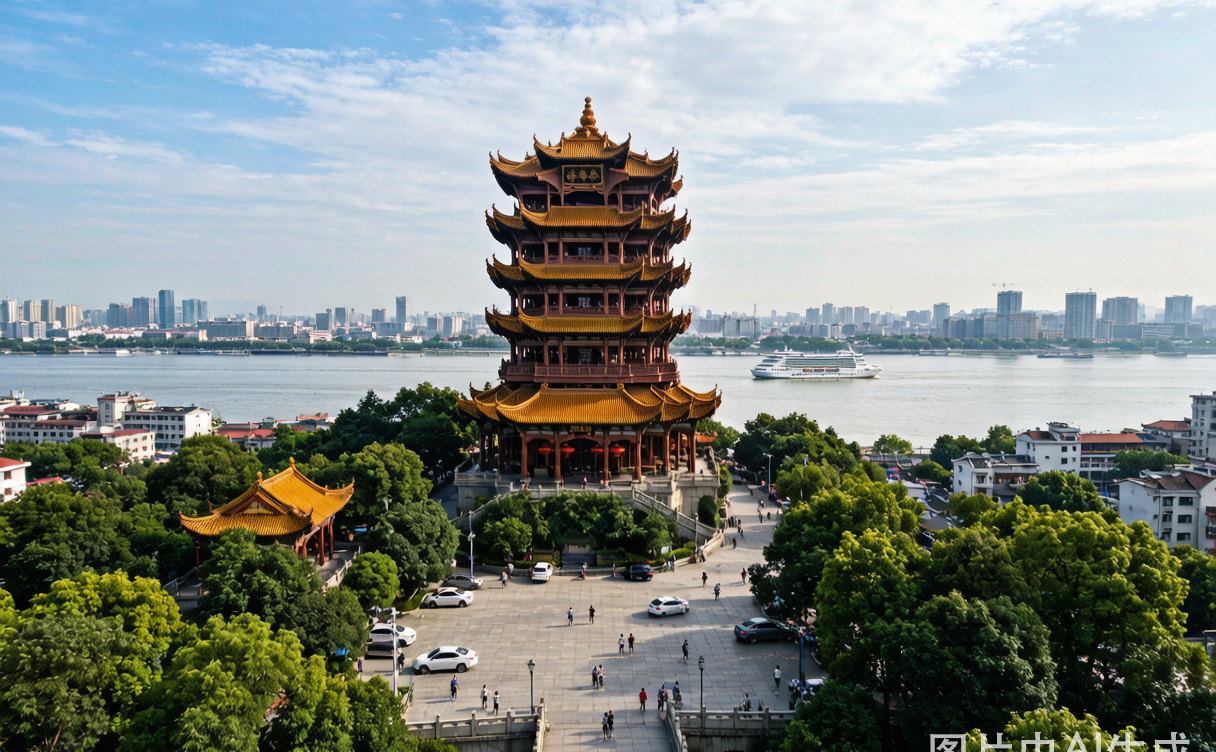
The city’s signature landmark, the Yellow Crane Tower (Huanghelou), stands on Snake Hill above the Yangtze. The current tower is a 1980s reconstruction built in Tang-dynasty style, but the setting is the real draw: broad views over the river, the busy First Yangtze Bridge, and the far bank of the city. According to Wikipedia, the tower has inspired Chinese poets for well over a thousand years and remains a beloved symbol of Wuhan. Arrive early in the morning to beat the tour groups and catch the soft light.
East Lake (Donghu)
Donghu is one of the largest urban lakes in China, ringed by dedicated cycling and walking paths, botanical gardens, and a wetland reserve. Rent a bike and loop a portion of the shore, or visit the Moshan Scenic Area for plum blossoms in winter and lush greenery the rest of the year. On weekends local families paddle boats and fly kites, giving you an authentic glimpse of Chinese leisure life. It is the calm counterpoint to the busy commercial center.
Wuhan University Cherry Blossoms
Wuhan University (Wuda) is famous for its cherry trees, originally gifted by Japanese donors in the 1930s and now a major spring attraction. During the Wuhan cherry blossom season the campus gets crowded, and entry is sometimes reservation-only for the blossom period, so check ahead. Even outside spring, the hilltop campus with its old library and tree-lined avenues is worth a slow stroll.
Jianghan Road and the Hankou Riverfront
Hankou’s Jianghan Road pedestrian street is a lively mix of restored Republican-era architecture, modern malls, and dense street food. Walking down to the Hankou riverfront gives you breezes off the Yangtze and a look at the city’s working port life. At night the bridges and skyline light up, and the waterfront promenade fills with evening strollers.
Guiyuan Temple
A working Buddhist temple in Hanyang, Guiyuan is known for its peaceful courtyards and a hall filled with hundreds of small golden Buddhist statues arranged in intricate patterns. It is a calm, genuinely local spot away from the bigger ticketed attractions, and a good place to observe daily devotion rather than just sightsee.
For a broader sense of what ranks on a national itinerary, browse our list of the best things to do in China. And if you want dramatic mountain scenery after the city, our Zhangjiajie travel guide pairs naturally with a Wuhan stop, since both sit on convenient rail lines through central China.
Where to Stay
Most visitors base themselves in one of three districts. Hankou, around Jianghan Road and Zhongshan Park, is best for food, nightlife and colonial-era architecture. Wuchang, near East Lake and the Yellow Crane Tower, suits travelers who want the classic sights and quieter evenings. Hanyang is the budget-friendly option close to Guiyuan Temple and the bridges. International chains and Chinese business hotels are plentiful; expect to pay around ¥300–600 per night for a comfortable mid-range room, and ¥150–250 for a clean budget option. The metro makes any of these bases practical.
Food and Local Specialties
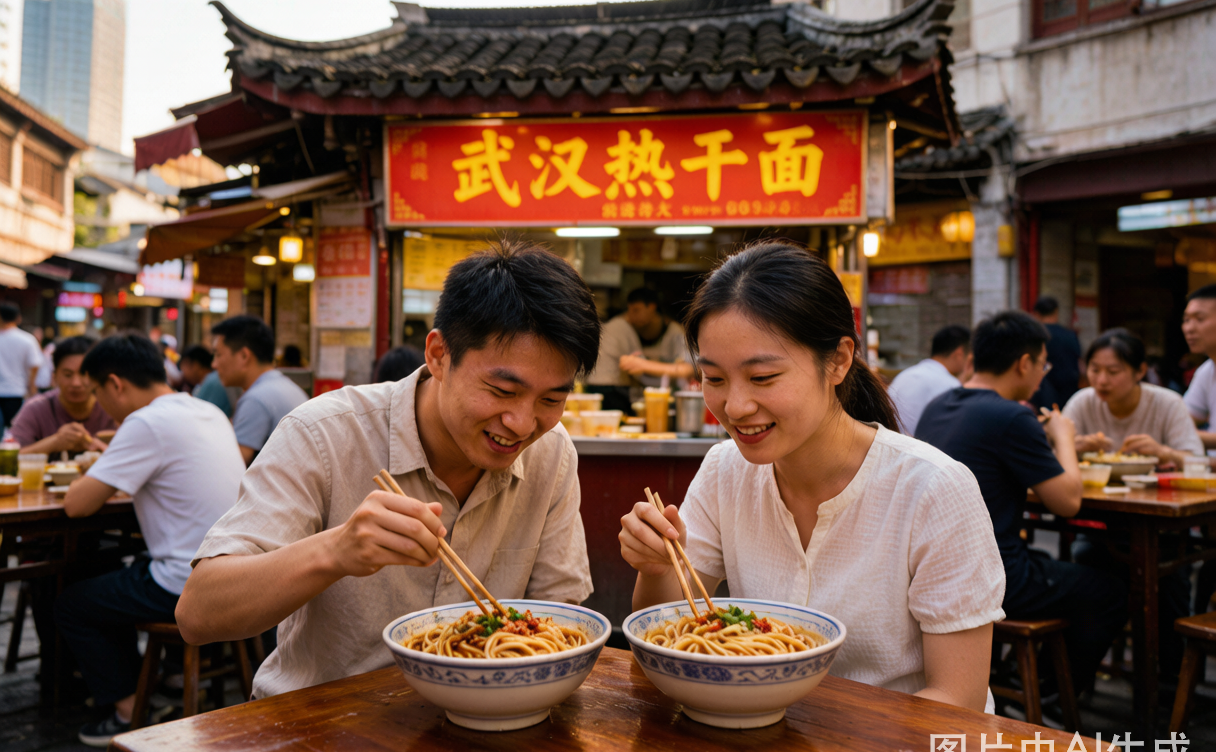
No set of Wuhan travel tips is complete without the food. The signature dish is hot dry noodles (re gan mian) — chewy wheat noodles tossed in sesame paste, chili oil and scallions — eaten for breakfast at street stalls across the city, usually for around ¥6–10 a bowl. Other local favorites include braised duck neck (ya bo zi), delicate soup dumplings (tang bao), and the savory “cai pai” style of Hubei home cooking. Head to Hubu Lane (Hubu Xiang) near the river for a concentrated street-food crawl, or explore the restaurants and night markets around Jianghan Road. Portions are generous, prices are low, and the street-food culture here is among the best in the country.
Wuhan Travel Guide: Sample Itinerary
2-Day Wuhan Itinerary
- Day 1: Yellow Crane Tower in the morning, lunch near Jianghan Road, then the Hankou riverfront at night for the bridge lights.
- Day 2: Cycle East Lake, visit Guiyuan Temple, and finish with a hot dry noodles breakfast run before an evening train onward.
3-Day Wuhan Itinerary
- Day 1: Arrive, walk the Yellow Crane Tower and Snake Hill, then a riverside dinner cruise.
- Day 2: Full day at East Lake plus Wuhan University (spring for blossoms, otherwise for the architecture).
- Day 3: Hubu Lane food crawl, Guiyuan Temple, and an evening high-speed train to your next stop — many travelers combine Wuhan with a Fenghuang ancient town guide visit in nearby Hunan.
Wuhan Travel Guide: FAQ
Is Wuhan worth visiting for foreign tourists?
Yes. It offers a more authentic, less-polished slice of Chinese city life than the headline destinations, with excellent food, big lakes and effortless rail connections to everywhere else.
When is the Wuhan cherry blossom season?
Usually late March to early April, peaking around the first week of April, centered on Wuhan University and the East Lake area.
How many days do I need in Wuhan?
Two to three days covers the main sights at a relaxed pace and leaves room for spontaneous food adventures.
Is Wuhan easy to get around?
Very. The metro is modern and cheap, ride-hailing apps work with translation help, and the city is flat and walkable along the rivers.
Closing
A good Wuhan travel guide reminds you that China’s interior is where much of the country’s everyday energy actually lives. With blossom-filled springs, riverside sunsets, and some of the best cheap eats in the nation, Wuhan deserves a place on your central China route. If you are planning a first trip to the country, start with our China travel guide for first-timers and build outward from there — Wuhan is an ideal, low-stress place to begin.