

Sanmenxia sits in western Henan, where the Yellow River squeezes through a narrow gorge on its way to the North China Plain. Most travelers pass it by, but the city offers two very different draws: a winter gathering of thousands of swans on a settled lake, and a stretch of history where the Qin empire once guarded its eastern gate. This Sanmenxia travel guide explains the timing, the transport, and the handful of sites worth your time.
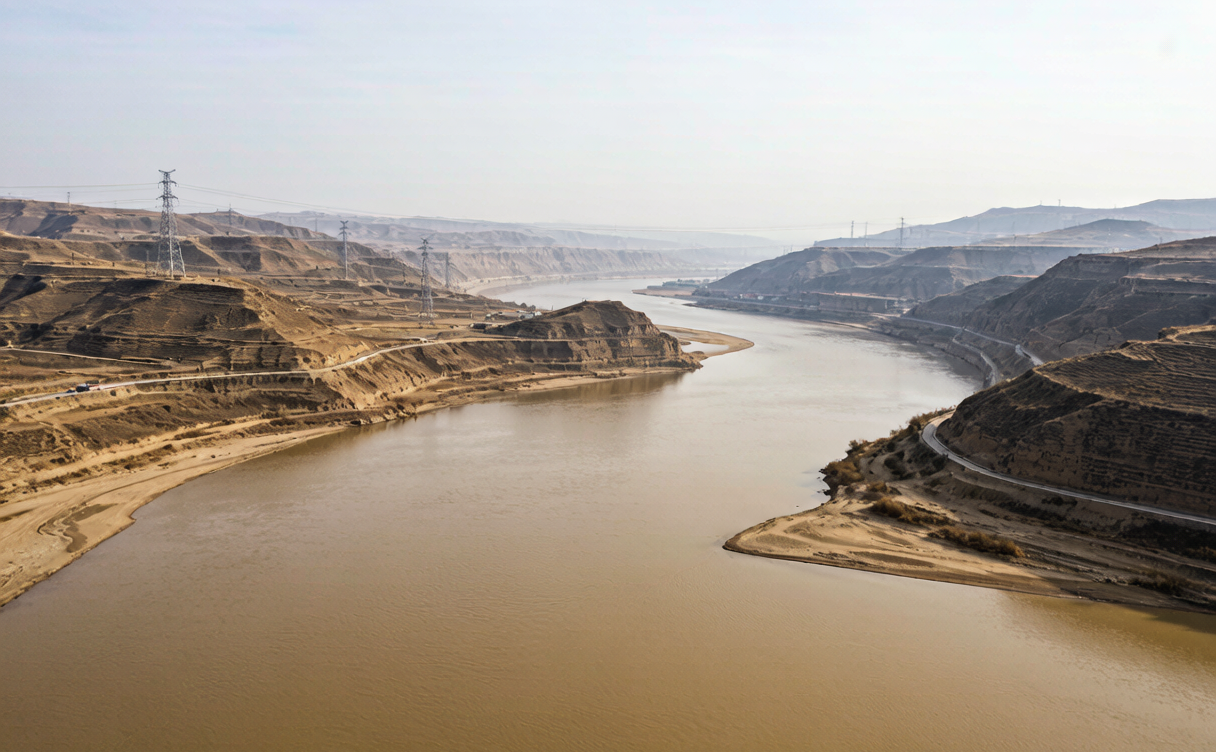
The name Sanmenxia means “Three Gate Gorge,” a reference to the rocky channels the river used to rush through before a dam tamed it in the 1950s. Today the dam holds a wide reservoir, and the calm water behind it is exactly what draws the swans. If you plan a winter trip in China, this corner of Henan is a quiet, cold, and genuinely unusual stop.
The city is also small and easy to read compared with the big hubs nearby. You will not fight crowds except at the lake on a sunny weekend, and the pace suits travelers who like to settle in one place for a couple of days rather than tick off a long list. For many visitors, Sanmenxia becomes a calming pause between the busier sights of Xi’an and Luoyang.
Why Visit Sanmenxia
The headline reason is the swans. Each winter, migratory whooper and mute swans arrive from Siberia and settle on the Sanmenxia Swan Lake (also called the Yellow River Wetland). At peak, the numbers run into the thousands, and the sight of white birds against a grey winter sky is the kind of scene that is hard to find elsewhere in the country without traveling far north.
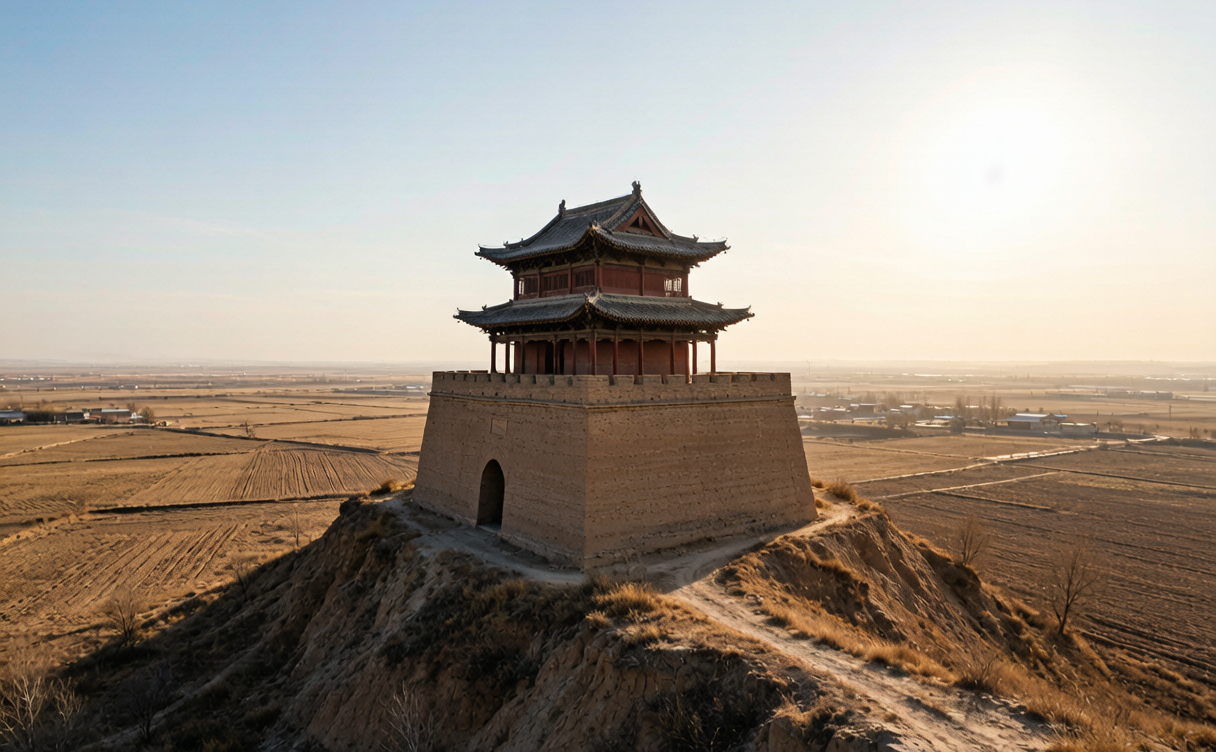
The second reason is history. The Hangu Pass, a short drive from the city, was one of the great fortified gateways of ancient China, where the Qin state controlled traffic between the Wei Valley and the Central Plains. For travelers already following the Silk Road narrative toward Xi’an, the pass is a natural waypoint.
When Do Swans Arrive in Sanmenxia
The Sanmenxia swan lake winter season starts in late November and runs to early March, with the densest numbers from December through February. The birds feed and rest on the open water, and a boardwalk and observation points let you watch without disturbing them.
When do swans arrive in Sanmenxia depends on the year’s cold fronts, but the window is stable enough to plan around. Mornings are best, when the birds are active and the light is soft. Bring a long lens if photography matters to you, and dress for real cold: temperatures here drop well below freezing in mid-winter.
How to Get to Sanmenxia
Sanmenxia has two high-speed rail stations, Sanmenxia South being the main one for bullet trains. Services run west to Xi’an in just over an hour and east toward Zhengzhou and Luoyang. Our China high-speed train guide for foreigners walks through booking and station navigation if this is your first time on the network.
A common plan is to pair the city with a Luoyang travel guide stop, since the two are close and Luoyang’s Longmen Grottoes make an easy complement. Going the other direction, a Xi’an travel guide extension turns the trip into a proper west-bound historical route.
Within the city, ride-hailing apps handle most trips, and the Swan Lake reserve is a short drive from either the center or the south station. Buses run too, but they are slow and signed in Chinese, so apps are the easier choice for a first visit. If you want to reach Hangu Pass without a tour, expect to negotiate a driver for the day, since public transport there is thin.
Things to Do in Sanmenxia
Swan Lake is the centerpiece, but the city has more. The Sanmenxia Dam itself is worth a look for the scale of the structure and the museum that explains the engineering and the relocation of towns that the reservoir flooded. The view from the dam crest over the gorge shows why this spot mattered for so long.
Hangu Pass is the historical highlight. Reconstructed gates and a long wall sit on the ridge where the old pass controlled the route. It is more of a thoughtful site than a ruin, and the walk along the ramparts gives a clear sense of how a narrow pass could hold back an army.
The pass shows up in many old stories, including the tale of the philosopher Laozi riding west through the gate and writing the Dao De Jing at the request of the keeper. Whether or not you know the legends, the setting explains the geography: a single ridge line funneling every traveler between the Wei Valley and the plains. Standing on the wall, you can see why controlling this point meant controlling trade and armies for centuries.
For a different kind of water, the Hukou Waterfall guide describes the great Yellow River falls further upstream, which you can combine on a longer Shanxi-Henan loop. Closer to the city, the Yellow River viewpoints along the reservoir are pleasant for a slow walk, especially at sunset when the dam lights come on.
Food and Local Flavor
Henan cooking is plain, filling, and wheat-based. In Sanmenxia you will find thick noodle soups, steamed buns, and braised river fish from the reservoir. The cold weather makes the hot broth dishes welcome. Street breakfast is strong: try the local hu la tang, a peppery spicy soup with noodles and gluten, which warms you up before a morning at the lake.
The city is not a food destination in the way Xi’an or Chengdu are, but it is cheap and honest. A filling bowl of noodles costs little, and the night market near the center has grilled skewers and fried snacks once the swans have gone to roost.
Where to Stay and Practical Tips
Most hotels sit in the city center or near Sanmenxia South station. Winter is low season for everyone except swan watchers, so rooms are easy to find and inexpensive. The Swan Lake reserve has limited facilities, so eat before you go and carry water.
English is scarce, and the swan site signage is mostly Chinese, but the path is straightforward. The national Ministry of Culture and Tourism of China publishes provincial notices that can help confirm opening times around public holidays, when the reserve can be busier with domestic visitors.
Pack for the cold in a serious way: gloves, a hat, and a warm layer make the lakeside boardwalk tolerable for more than half an hour. The reserve has basic restrooms and a small visitor center, but little else, so plan your visit as a morning outing and return to the city for lunch. Mobile payment covers tickets and snacks, though carrying some cash smooths out the occasional vendor who does not take cards.
Sample Two-Day Plan
Day one: arrive by morning train, drop bags, and head to Swan Lake for the active morning hours. In the afternoon, visit the dam and its museum. Day two: take a car or bus to Hangu Pass, walk the ramparts, and return to the city for an early dinner before an evening train toward Luoyang or Xi’an.