

Ulanqab sits in the center of Inner Mongolia, a few hours by train north of Beijing, where the North China plain gives way to volcanic highlands and open grassland. It is one of the easier places in the region to combine unusual geology with clear, dark night skies. This Ulanqab travel guide covers the volcanoes, the grassland, the practical route from Beijing, and the best time to come.
Most visitors come for the Wulanhada Volcano Geopark, a scattered field of dormant cones that you can walk and even climb. The setting is stark and photogenic: black basalt slopes against a big sky, with few buildings in sight. Pair that with the nearby grasslands and the low light pollution, and you have a short trip that feels far removed from city life.
Why Visit Ulanqab
The draw is variety in a small area. Within a couple of hours you can stand on a volcanic rim, watch horses on the steppe, and lie back under a sky dense with stars. For travelers based in Beijing, the city is close enough for a long weekend, yet different enough in landscape and food to feel like a real escape.
It also works as a gentle introduction to Inner Mongolia. Rather than driving deep into the region, you can sample the grasslands and the cuisine from a single base, then decide whether you want to continue to Hohhot or Baotou on a longer route.
The altitude helps too. At around 1,400 meters, the air feels dry and clear, which is why both the daytime views and the night skies are so open. Travelers who struggle with summer humidity farther south often find a few days here genuinely restorative, even if the main plan is just to walk a volcano and eat well.
Ulanqab from Beijing by Train
The simplest approach is the rail link. The Ulanqab from Beijing train journey takes roughly two hours on a high-speed service to Ulanqab Station, which sits a short drive from the city center. Our China high-speed train guide for foreigners explains ticketing and how to read the station boards if you are new to the network.
From the station, the volcanoes are about an hour away by car, so most visitors arrange a driver for the day. Ride-hailing covers the city itself, but the geopark and grassland sites are spread out and need private transport. Booking a car through your hotel is the easiest fix if you do not speak Chinese.
The Wulanhada Volcano Cluster
The Wulanhada volcano cluster is the core experience. The cones are numbered, and several have paths to the rim where you can look down into the caldera. The ground is loose basalt, so sturdy shoes help. Go in the late afternoon if you want photographs, when the low sun brings out the texture of the rock and the shadows lengthen across the slopes.
The site is not heavily developed. Expect basic parking, a few signs, and open countryside rather than visitor centers. That is part of the appeal for travelers who want raw landscape, but it also means you should bring water, food, and sun protection, since there is little to buy on site.
Photographers should know that drone rules in China are strict near some sites, and the geopark sits within airspace that can be restricted, so check before flying. On clear days the contrast between the dark rock and the pale sky is strong enough that even a phone camera does well, especially from the lower cones where the wider field spreads out behind you.
Best Time to Visit the Grassland
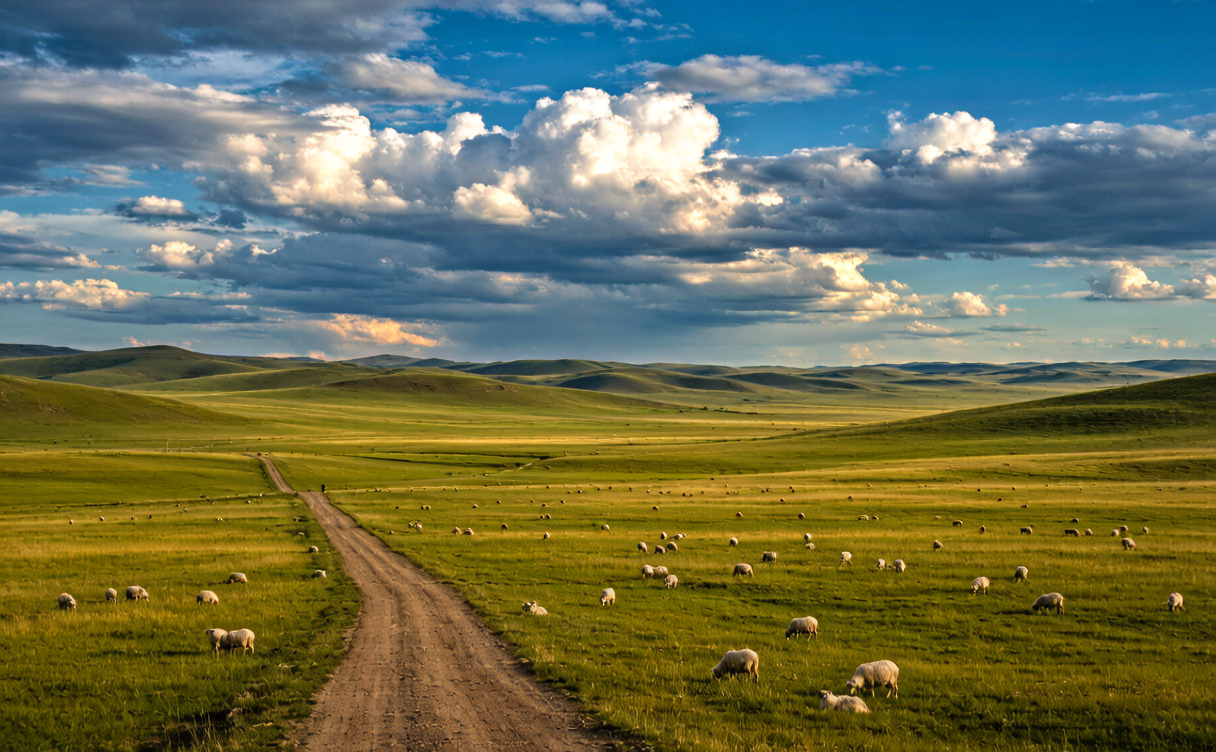
The best time to visit Ulanqab grassland is summer, from June to August, when the steppe is green and the weather is mild. Days are warm and nights are cool, which is also why the area is popular as a summer retreat from Beijing’s heat. Winter is harsh and beautiful in its own way, with snow on the cones, but transport and services thin out.
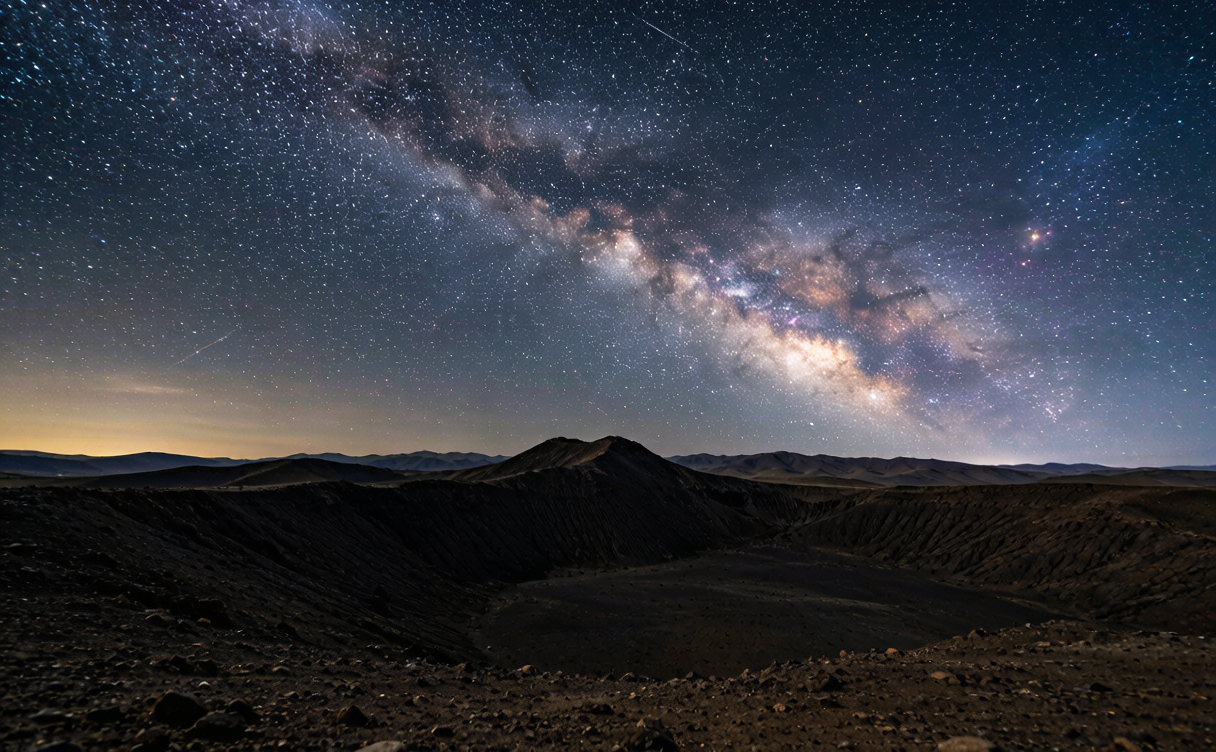
If stars are your main goal, aim for a new moon and a clear forecast. The China stargazing dark sky guide explains how to read moon phases and find low-light areas, and Ulanqab’s distance from big cities gives it an edge over nearer Beijing outskirts. A simple phone app that shows the Milky Way’s position helps you plan the late-night hours.
Things to Do in Ulanqab
Beyond the volcanoes, the grasslands offer horse riding, stays in felt yurts, and wide drives with few other cars. A China glamping camping guide is useful if you want to sleep close to the steppe rather than return to the city, though basic yurt stays are the more common local option.
In the city itself, the Ulanqab Museum gives context for the region’s geology and minority cultures, and the evening food streets are the best place to try local lamb without a long drive. The pace is slow, and an evening walk after a day on the steppe is a pleasant way to wind down.
A practical note: the volcano field and grassland have almost no shade, so a hat and sunscreen matter even on cooler days. Wind picks up in the afternoon on the open steppe, and a windbreaker earns its place in your bag. If you are combining the geopark with a yurt stay, tell your driver the plan upfront, since the two sites pull in different directions and a loose schedule wastes daylight.
Food: Inner Mongolian Lamb
The regional cooking centers on meat and dairy, and the Inner Mongolia lamb guide goes deeper, but the essentials are easy to find here. Try hand-grabbed lamb boiled with nothing but salt, roasted leg of lamb, and milk tea with a salty edge. Portions are large, and meals are social, often shared across a table with grilled meat and flatbread.
Vegetarians will have a harder time, since vegetable dishes are limited and often cooked alongside meat. If that matters, tell your driver or hotel in advance so they can point you to the few noodle and cabbage options.
Where to Stay and Practical Tips
Stay in the city and make day trips, or split a night between the city and a yurt on the grassland. The city has standard Chinese hotels at reasonable prices; the grassland stays are rougher but memorable. The national Ministry of Culture and Tourism of China lists regional notices that can help confirm site access around holidays, when the geopark can get busy with domestic visitors.
Bring layers even in summer, since the temperature drops sharply after dark. A headlamp helps for night photography, and a translation app covers most menu and direction needs. English is rare outside the city, so arrange transport ahead rather than hoping to find a driver on the spot.
Sample Two-Day Plan
Day one: morning train from Beijing, drop bags, and spend the afternoon at the Wulanhada volcanoes for the light and a rim walk. Evening in the city for lamb and a walk. Day two: a grassland day with a yurt stop and, if the timing is right, an evening of stargazing before the train back.