

This China stargazing guide points you to the darkest, most accessible skies in the country and tells you when to go. China has huge arid and high-plateau regions where city light barely reaches, which makes it one of the better places in Asia for seeing the Milky Way with the naked eye. Whether you want a serious photography trip or a quiet night watching satellites, the sites below are practical for foreign visitors.
Best dark sky places in China
The strongest candidates sit on the Tibetan Plateau edge and in the northern grasslands. Qinghai Lake, at about 3,200 metres, combines thin air with low humidity, so stars stay sharp. The flat shore around the lake gives a clean horizon for wide compositions. Our Qinghai Lake travel guide covers where to stay and how to reach the eastern shore that faces away from town light.
Chaka Salt Lake is a mirror-flat salt pan that reflects the stars, which is why photographers love it. The white ground acts like a giant reflector, doubling the sky in long exposures. Our Chaka Salt Lake guide notes the evening opening hours and the train that runs from Xining.
Ulanqab, in Inner Mongolia, is closer to Beijing and easier to reach by high-speed rail. Its grasslands and basalt landscapes have little artificial light, and the cool dry nights keep the air steady. Our Ulanqab travel guide explains the route from Beijing and where the darkest viewing fields are.
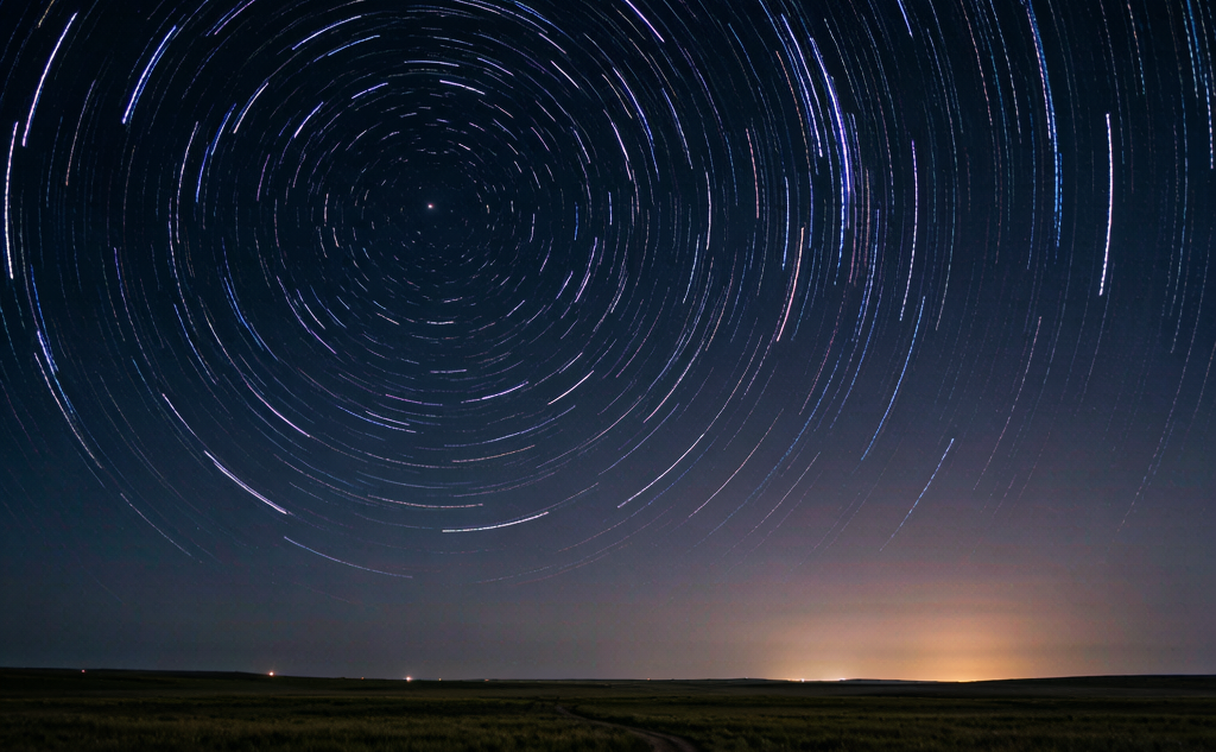
When to see stars in Inner Mongolia and Qinghai
Timing decides everything. The core of the Milky Way is visible from about March to October, but the clearest, most comfortable nights fall in late spring and early autumn. For when to see stars in Inner Mongolia, aim for May, June, and September. Summer brings warmer days but also more thunderstorms, so you often get only a few clear windows per week in July and August.
Qinghai’s best stretch is June through September, after the spring wind settles and before the autumn cold bites. Nights at altitude drop near freezing even in July, so pack a warm layer regardless of the season. New moon weeks are the target: plan around the lunar calendar and arrive two days before the new moon so you catch the darkest sky on the right night.
Winter offers the most transparent air but brutal cold that limits how long you can keep camera gear working. If you go in December or January, keep sessions short and protect batteries in an inside pocket between shots.
Milky Way photography China tips
For Milky Way photography in China, bring a wide fast lens, a sturdy tripod, and a headlamp with a red mode to protect your night vision. A 14 to 24mm lens at f/2.8 or wider is the standard choice. Shoot in raw, use a shutter speed near 15 to 20 seconds to avoid star trails, and set ISO as low as the noise allows, often 3200 to 6400.
Composition matters as much as settings. Salt flats and lake shores give a foreground that reads clearly in the dark. Arrive before full dark to scout a safe spot, because tripping on uneven ground at 2 a.m. is the most common mishap. Our China photography tour guide goes deeper into locations and local fixers who know the access roads.
Battery life drops fast in cold, high places. Carry two or three spares and rotate them. Dust on the sensor shows badly in night skies, so blow the chamber clean before the trip. A remote shutter or intervalometer lets you stack multiple frames for a cleaner result.
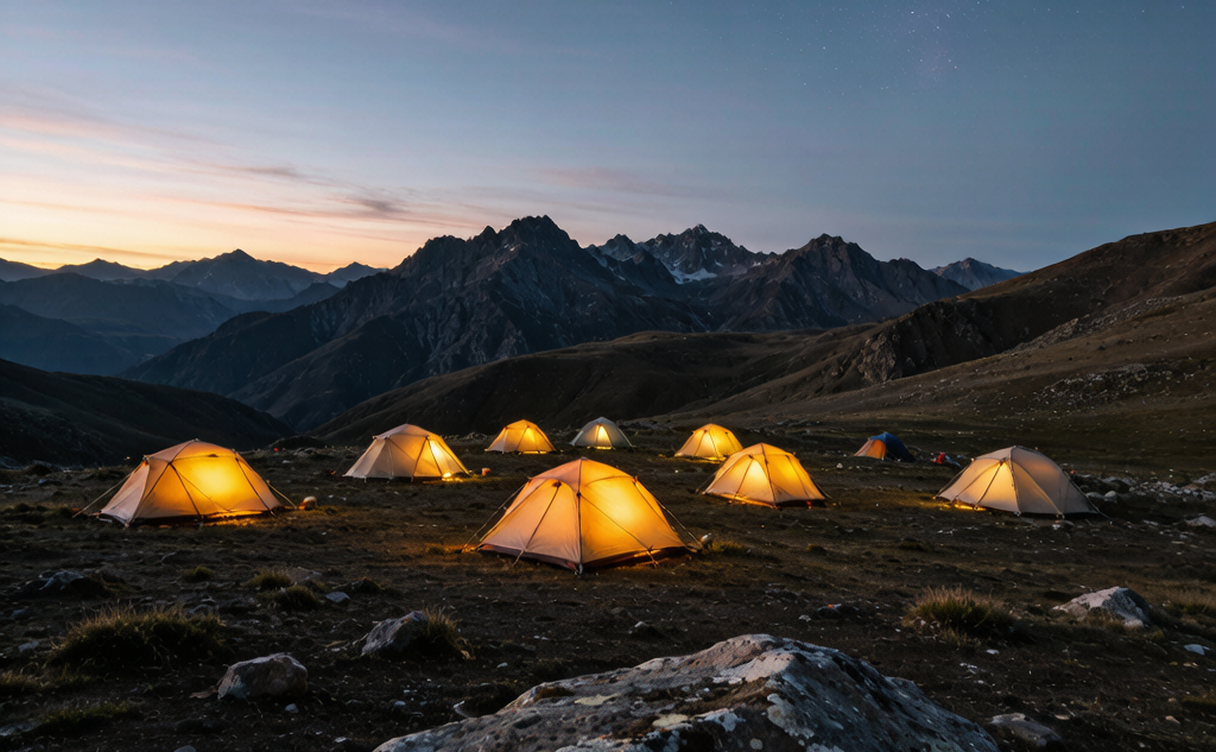
Qinghai stargazing camp experience
A Qinghai stargazing camp is the easiest way to do this without your own vehicle. Several operators near Qinghai Lake and Chaka set up dome tents with clear tops, serve hot drinks, and point out constellations. They handle the permit and transport logistics that can confuse first-time visitors. Our China glamping and camping guide compares the comfort levels and what to pack for high-plateau nights.
Camps remove the hardest part: staying warm and safe while the sky performs. You can step from a heated tent to the open flat in seconds, shoot for an hour, then retreat. Book a camp with a new-moon date in mind, because a bright moon washes out the Milky Way and makes the premium price less worthwhile.
Altitude is the catch. At 3,000 metres, walking to the viewing spot leaves you breathless if you just flew in from sea level. Spend a night in Xining at 2,200 metres first, hydrate, and avoid alcohol on night one.
Night sky tours China options
If you prefer not to self-drive, night sky tours in China bundle transport, guides, and gear. They run most often from Xining, Hohhot, and Lanzhou, with trips to Qinghai Lake, Ulanqab, or the Badain Jaran Desert. A guide saves you the headache of finding unmarked dark fields in the dark. Our Badain Jaran Desert guide describes the desert camps where the sky is so dark the Milky Way casts a faint shadow.
Group tours suit solo travellers and those short on time. Private tours cost more but let you chase a clear forecast across two or three sites. Either way, confirm that the operator carries the right permits for restricted plateau zones and that vehicles are suited to rough access roads.
For broader trip context, Lonely Planet’s China pages cover transport between remote sites and give a sense of how long the overland legs take. Use it to sanity-check the schedule a tour operator promises.
Gear and clothing checklist
Beyond the camera, bring a thermos, a warm hat, and a windproof jacket even in summer. A small camping chair keeps you off the cold ground. A power bank charges your phone as a backup GPS, because signal is weak at most dark sites.
Learn the basic sky before you go. Apps that work offline, like star charts downloaded in advance, help you find the galactic centre and the seasonal constellations. Knowing what you are looking at turns a cold wait into a genuinely memorable night.
Safety and respect
Stay on established tracks and never wander onto the salt pan after rain, when the surface turns to mush. Tell someone your plan if you go independent, and carry more water than the cool night suggests you need.
Light discipline keeps the sky dark for everyone. Use red light only, never white torch beams across a shared viewing area, and ask before shining any light near other photographers. The quiet of a plateau night is part of the experience.
Building a stargazing itinerary
A practical plan is three nights at one site. Night one, scout and shoot wide. Night two, try foreground detail and stacking. Night three, relax and just watch. This beats rushing between locations and wasting clear skies on the road.
If you want a second site, pair Qinghai Lake with Chaka Salt Lake, which are close enough for a single loop. Ulanqab works as a separate short trip from Beijing. Keep your expectations tied to the forecast; even the best dark site loses to cloud.