

This China birdwatching guide maps out the country’s best wetlands, the seasons when rare species appear, and the basic gear a first-timer needs. China sits on the East Asian-Australasian flyway, one of the busiest migration routes on earth, so even a weekend visitor can see hundreds of species. The trick is knowing which lake to visit and which month to be there.
Best birding spots in China
The standout sites are all wetlands. Poyang Lake in Jiangxi is the largest freshwater lake in China and the winter home of the Siberian crane. In dry years the shrinking water forces birds into concentrated flocks that are easy to watch from hides. Our Poyang Lake guide explains the best observation decks and how to reach them from Nanchang.
Qinghai Lake, on the plateau, attracts bar-headed geese and a range of waders during migration, with a different set of species from the lowland east. Our Qinghai Lake travel guide covers the riverside meadows where birds gather in spring and autumn.
Baiyangdian, the big reed lake near Baoding in Hebei, is the most accessible from Beijing, about two hours by car. It holds herons, egrets, and many reed-bed songbirds through the warm months. Our Baiyangdian Lake guide lists the boat routes that pass the quiet channels where birds nest.
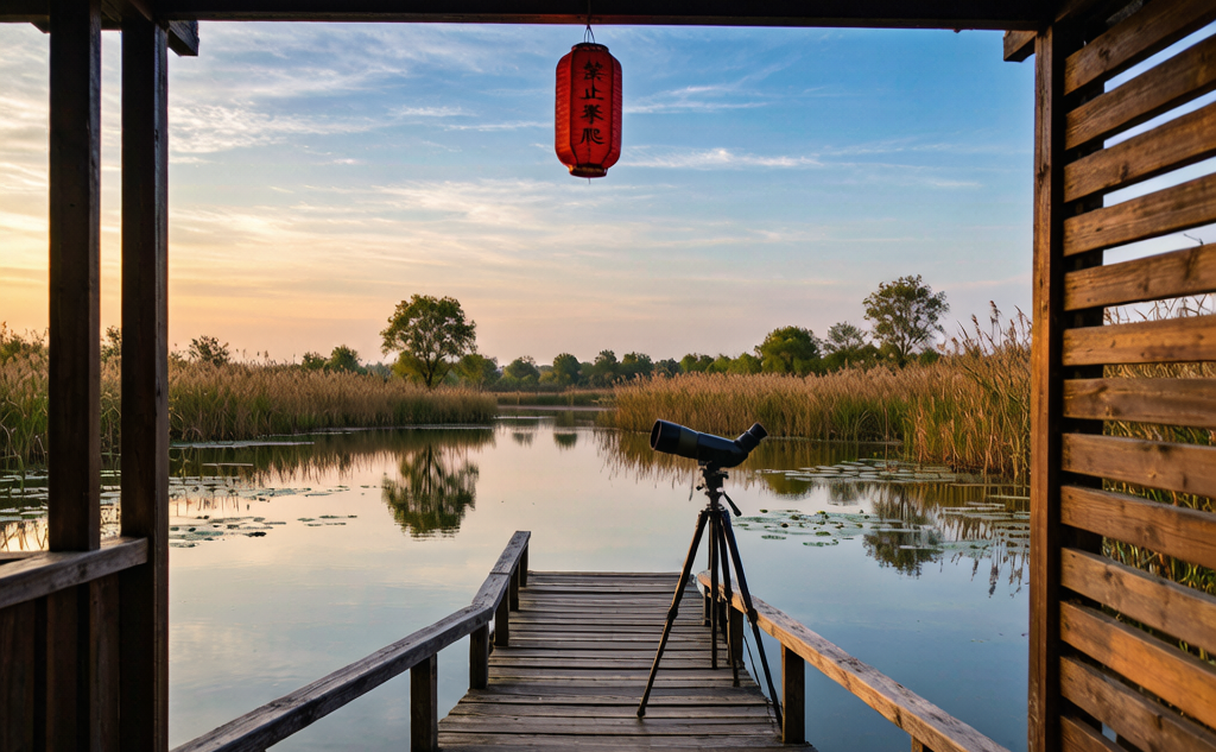
Crane watching China season
Cranes are the headline birds, and timing is tight. For crane watching in China, the season is winter, roughly November to February. The red-crowned crane, one of the rarest cranes on the planet, is profiled on Wikipedia and winters in the northeast, especially at Zhalong in Qiqihar, Heilongjiang.
Qiqihar’s Zhalong Nature Reserve is the most reliable place to see red-crowned cranes, with both wild birds and a semi-captive flock used for demonstration flights. Our Qiqihar travel guide covers the reserve’s feeding-flight times, which are the best moments for photos.
Poyang Lake holds the world’s remaining Siberian cranes, but only in years when the lake’s winter water level is right. Go in December or January, arrive at first light, and use the reserve hides rather than walking the open shore, which scares the flocks. Miss the window and the birds have moved on.
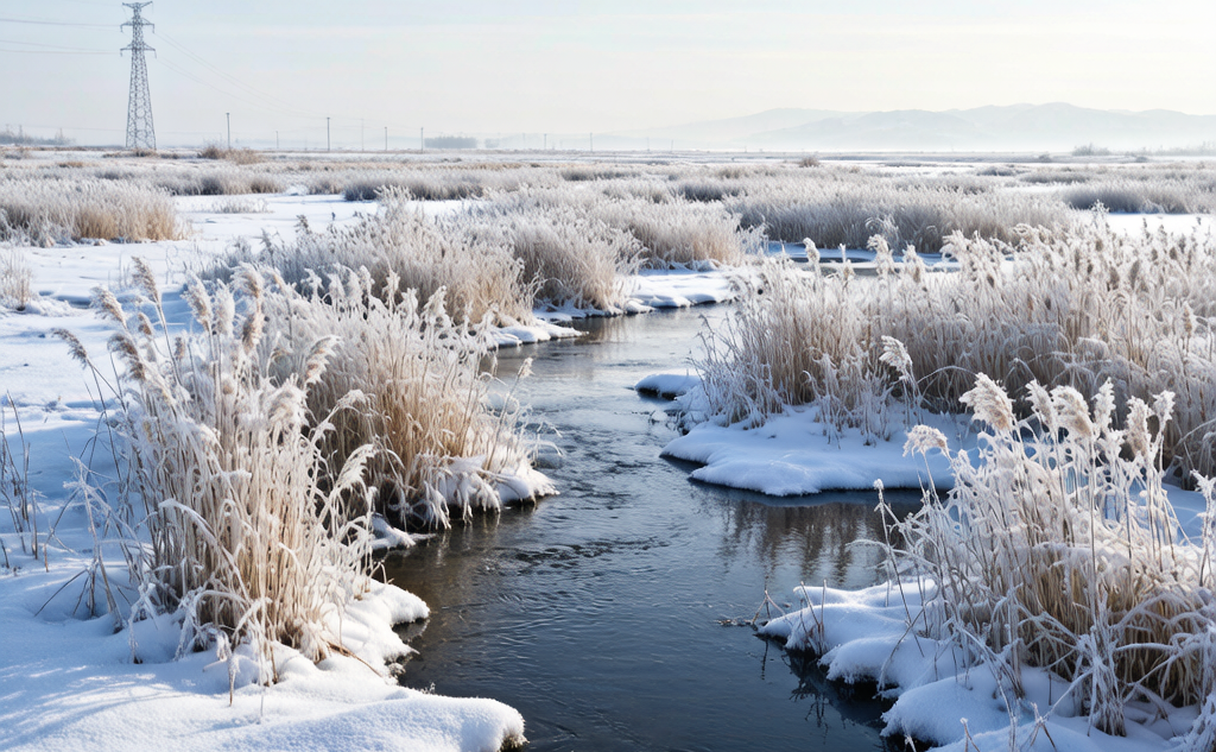
Migratory birds China wetlands
The reason these lakes matter is the flyway. Migratory birds in China’s wetlands arrive in two pulses: northbound in April and May, southbound in September and October. Waders, geese, and ducks dominate, but raptors and passerines move through the reed beds too.
Spring brings the most colour, with breeding plumage on display, while autumn brings the largest numbers as birds fatten up for the long flight south. Wind direction matters: a north wind in autumn often means a good day of movement, and a calm misty morning keeps birds low and close.
Wetland health changes year to year with drought and dam management, so a site that was packed last winter may be quiet this one. Check recent sighting reports before you book, and have a second wetland as backup. Our China national parks guide lists protected areas where bird populations are monitored.
What binoculars for China birding
Beginners ask what binoculars for China birding are worth buying. An 8×42 model is the safe default: eight times magnification is steady enough to hold by hand, and 42mm objective lenses gather enough light for dawn viewing. Brands like Nikon, Olympus, and Visionking offer decent 8×42 pairs from about 100 to 300 USD.
Skip the tiny 10×25 pocket models for serious birding; they are too dark at dawn. A spotting scope on a tripod is worth it at big lakes like Poyang, where birds are distant, but it adds weight and customs attention if flown in. Many reserves rent scopes, so try before you buy.
Protect your gear from humidity. Wetland air is damp, and a fogged lens wastes the best hour of light. A simple lens cloth and a small dry bag keep things clear. A field guide app that works offline helps with identification when mobile data is weak.
A phone adapter that clips to the binocular eyepiece is worth carrying for digiscoping, letting you capture a record shot without a heavy camera. The image quality is modest, but it settles arguments about which duck you saw. Charge the phone fully the night before, because cold wetland mornings drain batteries faster than you expect, and a power bank in an inside pocket keeps it warm.
Birdwatching tours in China
If you would rather not self-plan, birdwatching tours in China are run by specialist operators out of Beijing, Shanghai, and Kunming. They supply scopes, local knowledge, and access to reserves that restrict independent entry. A guide also knows the exact week a species appears, which saves a wasted trip.
Tours range from a single day at Baiyangdian to a two-week flyway route hitting Poyang, the Yangtze lakes, and the northeast. Private guides cost more but adapt to your fitness and interests. Group trips are cheaper and social but move at the group’s pace.
Independent travel is possible at the major lakes, where public hides and boardwalks exist. Pair your visit with our best time to visit China overview to avoid clash with the summer heat and the worst of the winter cold in the north.
Field behaviour and ethics
Good birding is quiet birding. Speak in low voices, move slowly, and never play recorded calls to lure rare species, which is banned in many reserves and stresses the birds. Stay on boardwalks and hides so you do not crush reed nests.
Dress in muted colours and avoid bright whites that stand out against the water. A hat with a brim cuts glare and helps you keep your eye to the binocular. Give photographers space and take turns at the narrow viewing slots.
What to pack
Beyond binoculars, bring a refillable water bottle, insect repellent for summer reed beds, and waterproof shoes because boardwalks can be wet. A small backpack keeps hands free for the binoculars. Carry your passport, since nature reserves check ID at the gate the same way trains do.
A notebook or phone log of what you see turns a casual morning into a record you will value later. Note the date, the lake, and the weather, because that pattern is exactly what helps you plan the next trip.
Sample weekend plan
A Beijing-based beginner can leave Saturday morning for Baiyangdian, bird the reed channels by boat until midday, and return the same evening. A more committed trip is three nights at Poyang in January, with dawn and late-afternoon sessions around the reserve hides.
Whatever you choose, keep one indoor or town activity per day in case of rain, because wetland weather turns fast. The birds will still be there tomorrow if the light fails today.