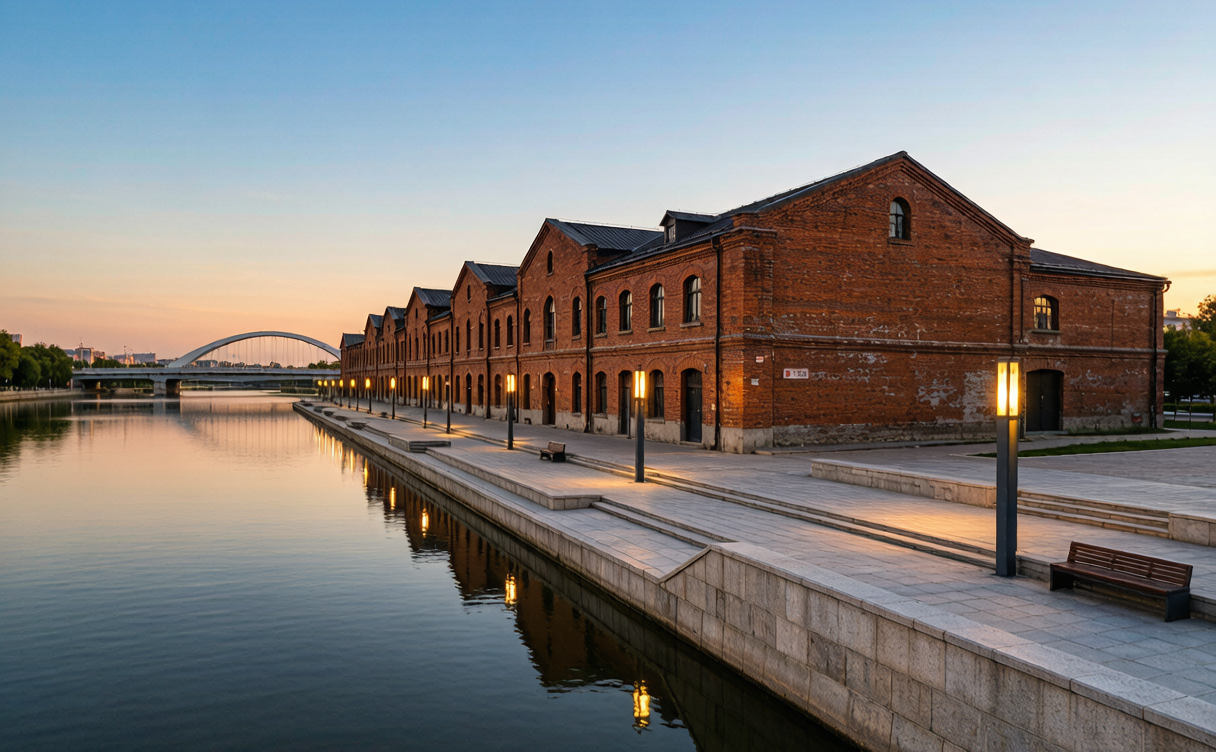
A Qiqihar travel guide begins on the windy edge of the Manchurian plain, where the Nenjiang River spreads into a mosaic of reeds, pools, and open sky. Qiqihar, in western Heilongjiang, is one of the oldest cities in China’s northeast and the gateway to Zhalong, the country’s most famous crane sanctuary. The red-crowned crane — a bird so tied to Chinese ideas of longevity that it appears on porcelain and poetry — breeds here in summer, and the sight of a few hundred of them taking flight is the reason most visitors make the trip. Add to that some of the best grill in the northeast and you have a quietly rewarding stop. Qiqihar is rarely on the foreign tourist map, which is precisely why it feels authentic.
Why Qiqihar is worth the detour
Most foreign travellers in Heilongjiang head for Harbin and its ice festival, then leave. Qiqihar asks for a slower eye. It was a military and trading town for centuries, and its long straight avenues still feel like a frontier city. The real draw, though, is the wetland to the southeast, home to the red-crowned crane and a dozen other rare species tracked by BirdLife International (https://www.birdlife.org/), the global partnership that monitors the world’s threatened birds. If you care about wildlife at all, this is one of the most reliable places in China to see cranes in the wild.
For a city-focused contrast, our Harbin Central Street guide covers the Russian-flavoured heart of the provincial capital, and our Harbin food guide explains the wider regional table that Qiqihar’s grill belongs to. Qiqihar also makes a sensible base if you want to see the northeast without the festival crowds — the parks are local, the museums are uncrowded, and the prices reflect a city that rarely sees foreign passports.
Best time to visit Zhalong
The best time to visit Zhalong is from May to September, when the cranes are present and the wetland is green. The reserve runs a daily released-flight demonstration in peak season, where hand-reared cranes are called into the air by keepers — a spectacle that is touristy but genuinely moving, and the easiest way to photograph a red-crowned crane with wings spread. Outside this window the wild population has migrated south, and the reserve is quieter and less rewarding.
Spring brings the first returning birds and fewer crowds; summer is lush but buggy and warm; early autumn has clear skies and good light. For those extending north, our Mohe travel guide covers the arctic village at the country’s northern tip, best visited in winter for the aurora and the cold.
Things to do in Qiqihar
The list of things to do in Qiqihar splits cleanly into nature and city. The highlights:
- Zhalong National Nature Reserve — the crane sanctuary, with a boardwalk, observation towers, and the famous flight demonstration.
- Longsha Park — the city’s central green space, with a lake, pavilions, and a small zoo, good for an easy evening stroll.
- Qiqihar Museum (Longjiang Provincial Museum branch) — modest collections on Manchu and frontier history.
- Butterfly Spring scenic area — a quieter reed-and-water spot on the city’s edge for picnics.
- Night grill streets — the real social life of the city happens at the open-air barbecue lanes after dark.
These are the genuine things to do in Qiqihar, and two days lets you do the reserve properly and still eat well in the evening.
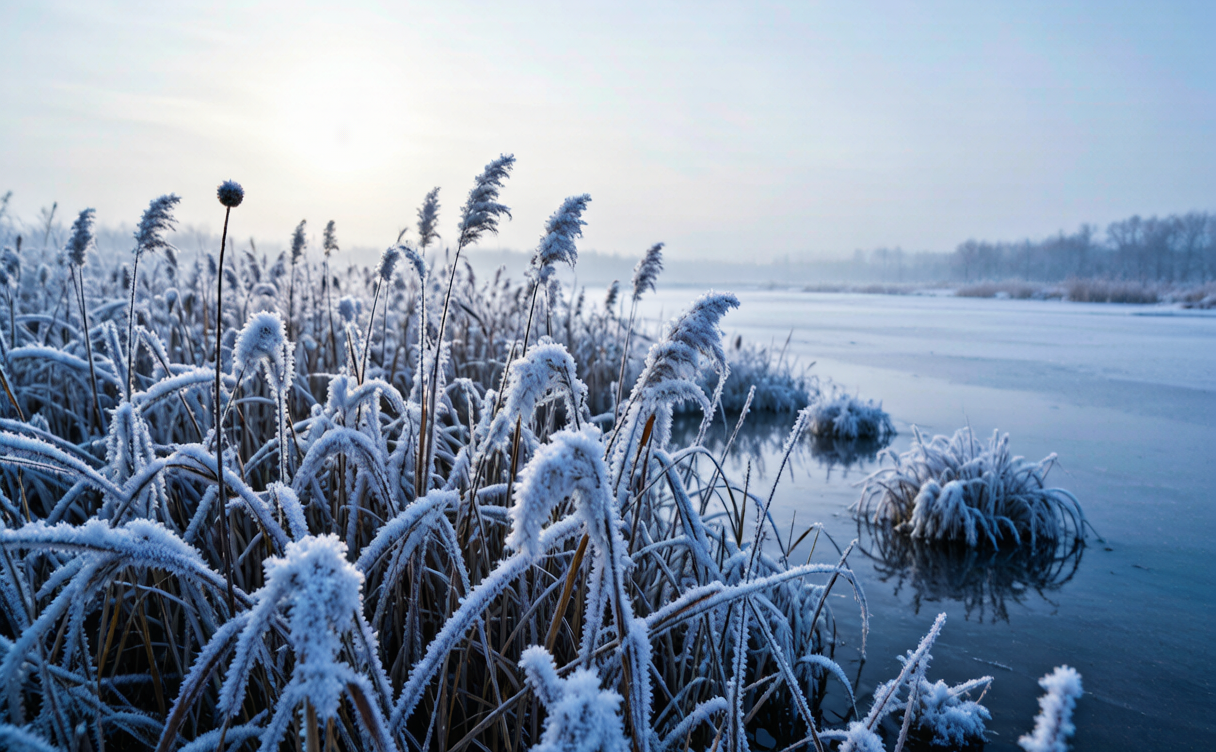
A Zhalong nature reserve visit, step by step
A Zhalong nature reserve visit is straightforward but benefits from planning. Arrive early, because the flight demonstrations are timed and the morning light is best. Inside, a shuttle takes you from the gate to the main observation marsh; from there a long boardwalk and a tower give you two vantage points. Bring binoculars and a zoom lens if you have them, since the birds are often a long way out on the water.
The reserve is flat and the paths are easy, but the summer sun is strong and there is little shade, so water and a hat matter. Our China birdwatching guide has more on the species you can expect across the country, and on why the northeast wetlands are such an important link in the crane’s yearly migration. Photography at Zhalong rewards patience: the released-flight demo gives you one reliable burst of action, but the quieter reward is watching wild birds feed at the marsh edge through a long lens, where the light turns the reed beds gold in the last hour before closing.
Qiqihar barbecue food
Qiqihar barbecue food deserves its own paragraph, because the city takes grilling seriously. The local style leans on lamb and beef, marinated in a tangy sauce and cooked over charcoal on tabletop grills, then wrapped in a thin flatbread with raw scallion and a smear of seasoning. It is social, noisy, and cheap, and it goes down well with the local beer.
The grill here is part of the broader Dongbei table, but locals will tell you their version is the honest one. A good evening starts late, around eight, when the stalls fill and the charcoal smoke settles over the lane; order a mixed plate, a stack of the thin breads, and a cold beer, then let the table cook at its own pace. For the full regional context, our Dongbei Northeast cuisine guide explains the pickled cabbage, the dumplings, and the meat-forward cooking that defines the northeast.
How to get to Qiqihar
The how to get to Qiqihar question is answered by the high-speed line. Trains run from Harbin to Qiqihar in well under two hours, and the city also links by rail to Daqing and further west. From the station, Zhalong is about an hour by taxi or a slower public bus, so most visitors hire a driver for the half-day trip and back.
For foreign visitors, booking trains is easiest through our China high-speed train guide for foreigners, which walks through passport-based ticketing and the apps you need. Once in Qiqihar, Didi covers the city centre well, though drivers speak little English, so have your hotel write addresses in Chinese.
Practical notes for foreign visitors
Qiqihar is sleepy by Chinese standards, which is part of its charm, but it also means thin English and limited card acceptance at small grills — carry some cash. Hotels near the train station are the practical choice, putting you close to both the city’s food streets and the taxi rank for Zhalong. Summer mosquitoes at the wetland are persistent, so pack repellent. Winters are long and brutally cold, but the city’s heating and indoor grills make the off-season cosy if you come for the culture rather than the cranes. One more practical note: the reserve ticket includes the shuttle, but the last shuttle back to the gate leaves well before the reserve closes, so check the timing when you arrive and do not linger too long at the far tower. A local SIM or an offline map app saves you from the usual confusion at the bus stop.