

Mohe, China, is the country’s northernmost county, sitting in the far north of Heilongjiang Province where the Amur (Heilong) River forms the border with Russia. This Mohe travel guide covers the best time to visit, how to get there, the top things to do, where to stay, what to eat, and a practical itinerary for a destination that feels like the edge of the mapped world. Famous as Mohe China northernmost point and a place where winter temperatures plunge below −40°C, Mohe also draws sky-watchers hoping for the Mohe aurora — the shimmering northern lights that occasionally glow over the Arctic Village on clear, cold nights.
Best Time to Visit Mohe
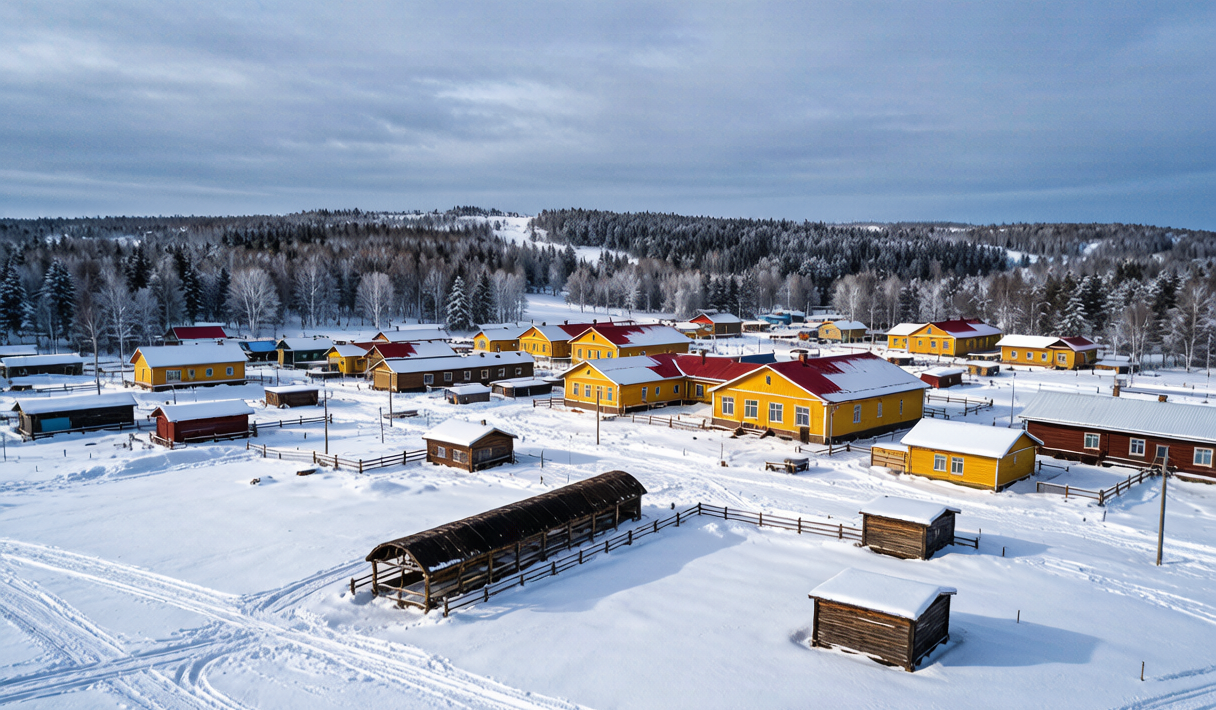
The best time to visit Mohe depends on what you want. For the Mohe aurora and deep snow, come in winter (December–February), when temperatures often fall below −30°C but the skies are clear and the northern lights are most likely. The Arctic Village becomes a fairytale of ice and wood smoke, and the polar-night glow at noon is an experience in itself. For milder weather and the “white nights” of summer (June–July), when the sun barely sets and the forests turn emerald, visit in the warm season — daytime highs reach a pleasant 18–25°C, though nights stay cool. Autumn (September) brings fiery birch and larch color, and spring is short and muddy. Dress for extreme cold in winter regardless of the season you choose; layering is essential. For a national calendar of seasons, our best time to visit China guide helps you plan around Mohe’s extremes.
How to Get There
Mohe is remote but reachable by air and a long rail journey. Train schedules can be checked on China Railway’s official portal, China Railway (12306).
- By air: Mohe Gulian Airport (OHE) has flights from Harbin year-round and seasonal links to Beijing. The airport is about 20 km from the Arctic Village, roughly a 30-minute drive.
- By train: The train from Harbin to Mohe is a scenic, 18–21 hour sleeper ride through the Greater Khingan Range — a classic “go north” journey that many travelers cherish. Foreign visitors should review our China high-speed train guide for foreigners for passport and booking rules, even though this route is a conventional sleeper rather than a high-speed line.
- By road: Long highways connect Mohe with Harbin and the north, but winter snow makes self-driving risky; buses and private drivers are the safer choice.
Top Things to Do in Mohe
Arctic Village (Mohe China northernmost)
The Mohe China northernmost landmark is the Arctic Village (Beiji Cun), where you can stand at the northernmost post office, send a postcard from “the top of China,” and walk the frozen river in winter. Wooden cabins, reindeer farms, and the “northernmost” themed markers make it a playful, photogenic stop, and the village is the best base for night-sky watching.
Chasing the Mohe Aurora (Mohe aurora)
The Mohe aurora is never guaranteed — it appears only on cold, cloudless nights when solar activity aligns — but the village’s low light pollution makes it the best spot in China to try. Dress warmly, step outside after midnight, and be patient; even without the lights, the star field over the snow is unforgettable.
The Amur (Heilong) River Border
In summer the wide Amur River is a calm blue line between China and Russia, with boat trips and riverside walks. In winter it freezes solid and locals drive and ski across the ice, a surreal frontier scene you won’t see elsewhere in China.
Greater Khingan Forest and Birch Woods
The taiga around Mohe is thick with birch, larch, and spruce. Autumn turns it gold and red, and summer brings long daylight for forest hikes and berry picking. The forests are also home to moose and red deer in the quieter reserves.
Longjiang First Bay
A bend in the river forms a near-perfect horseshoe island, best viewed from a wooden viewing tower at sunrise. It’s a short drive from the village and a favorite for landscape photographers.
Where to Stay in Mohe
Stay in the Arctic Village for the aurora and the atmosphere, where wooden guesthouses and a few newer hotels run around ¥300–600 per night in winter peak. Mohe town itself has cheaper, simpler options if you have a car. Book ahead for the Spring Festival and New Year period, when domestic “north pole” tourists surge and prices rise. Heating is universal and strong, so indoor comfort is never an issue even at −40°C outside. For budget-minded travelers, our China budget backpacking guide has tips on cheap northern China transport and lodging.
Mohe Food and Local Specialties
Mohe eats hearty northern fare built for the cold: venison, river fish from the Amur, wild mushrooms, and dumplings, alongside warming hotpot and plenty of baijiu to take the chill off. The forests supply blueberries, lingonberries, and pine nuts in season. For more cold-weather inspiration nearby, our Harbin Ice Festival travel guide covers Heilongjiang’s famous ice city, a natural pairing with a Mohe trip.
Mohe Itinerary
A Mohe itinerary of three to four days works well:
- Day 1: Arrive, settle in the Arctic Village, walk the northernmost markers, night-sky watch.
- Day 2: Amur River in summer (boat) or ice crossing in winter, plus Longjiang First Bay at sunrise.
- Day 3: Greater Khingan forest hike or autumn foliage drive, reindeer farm visit.
- Day 4 (optional): Slow morning, then train or fly south toward Harbin.
A Mohe to Harbin journey by sleeper train is a rite of passage for north-bound travelers, letting you compare the frozen frontier with the Ice Festival city in one trip.
Mohe Travel Tips
A few Mohe travel tips: in winter, dress in genuine down, insulated boots, and face coverings — exposed skin freezes in minutes at −35°C. Keep phones and camera batteries warm in an inside pocket, as cold drains them fast. Book the sleeper train early in peak season, carry cash for village stalls, and use a translation app in rural areas. The aurora is never promised, so enjoy the snow and stars regardless, and confirm border-area rules before any river activity. For first-time visitors to the country, our China travel guide for first-timers covers visas and basics.
FAQ
Is Mohe worth visiting for foreign tourists?
Yes, for the northernmost landmark, possible aurora, and a true subarctic experience unlike anywhere else in China.
Do I need a visa for Mohe?
Most visitors need a Chinese visa; Heilongjiang follows standard national entry rules, so check before you travel.
How many days do I need in Mohe?
Three to four days covers the village, river, and forest at a relaxed pace.
Can you really see the aurora in Mohe?
Sometimes — on cold, clear, geomagnetically active nights — but it is never guaranteed, so treat it as a bonus.
Final Thoughts
Mohe is the cold crown of China, a place where the map runs out and the sky takes over. Time your visit for the best time to visit Mohe in deep winter for aurora and ice, or summer for the white nights and green taiga, and use this Mohe travel guide to plan the logistics of getting far north. Pair it with Harbin for a complete Heilongjiang winter, and bring your warmest coat. For season planning across the country, browse our best time to visit China guide and start building your northern adventure today.