

This Luoyang travel guide takes you to the city that served as China’s capital longer than almost any other, a Henan stronghold where Tang dynasty grottoes, the country’s first Buddhist temple, and rivers of peonies tell the story of imperial China. If you are searching for things to do in Luoyang that balance world-class art with small-town calm, you have found the right base. Luoyang pairs beautifully with Xi’an and Zhengzhou, and it is the natural hub for the legendary Longmen Grottoes and the nearby Shaolin Temple, making it an easy and rewarding addition to any central China itinerary.
Best Time to Visit Luoyang
The best time to visit Luoyang is spring (April to May), when the city’s peony gardens explode into bloom and the Luoyang Peony Festival fills parks with flower displays, calligraphy, and evening light shows. Autumn (September to October) is the other sweet spot, with cool, clear days ideal for walking the grottoes and old town. Summers are hot and can top 35°C, while winters are cold and grey. For a nationwide seasonal plan, see our best time to visit China guide.
How to Get to Luoyang
Luoyang is well served by rail, which makes a Luoyang itinerary easy to weave between Xi’an and Zhengzhou.
- By high-speed train: Luoyang Longmen Station sits on the Zhengzhou–Xi’an line, with bullet trains from Xi’an in about 1.5 hours, Zhengzhou in around 1 hour, and Beijing in roughly 3.5–4 hours. Book on the official railway portal, China Railway (12306), which supports foreign passport login.
- By air: Luoyang Beijiao Airport (LYA) has limited domestic flights; most international visitors fly into Xi’an or Zhengzhou and ride the train in.
- By bus: Coaches link Luoyang with Dengfeng (for Shaolin) in about 1.5 hours, handy if you skip the train.
New to Chinese rail? Our China high-speed train guide for foreigners explains tickets, seats, and station layouts.
Top Things to Do in Luoyang
Longmen Grottoes
The Longmen Grottoes are the centerpiece of any Luoyang travel guide and a UNESCO World Heritage Site, inscribed for their outstanding Buddhist rock art. Carved into limestone cliffs along the Yi River from the 5th to 8th centuries, the site holds more than 100,000 statues, from tiny niches to the 17-meter Vairocana Buddha whose serene face is the icon of Luoyang. Visit late in the day when the low sun gilds the stone. Our dedicated Luoyang Longmen Grottoes guide maps the best route and photo spots.
White Horse Temple
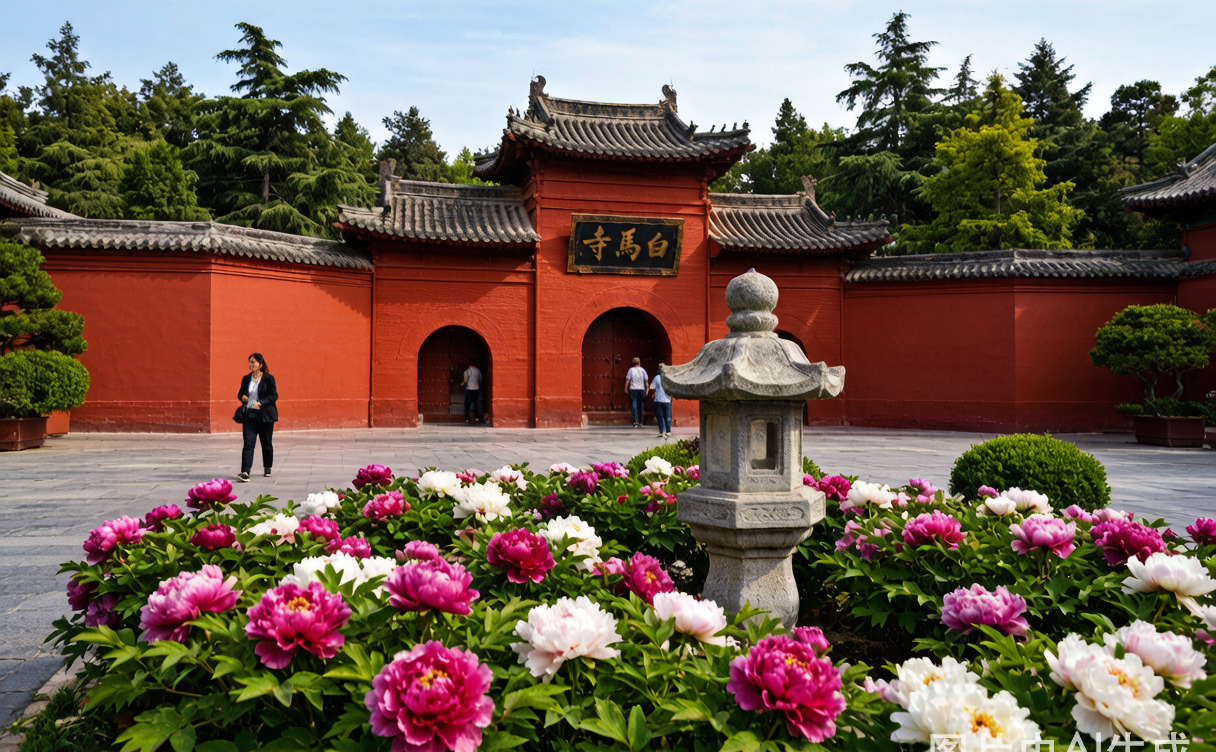
Traditional accounts name White Horse Temple the first Buddhist temple in China, founded in 68 AD. Its red halls, pagodas, and quieter international temple complex (with Indian, Thai, and Burmese-style buildings) make it a peaceful half-day. The on-site museum explains how Buddhism entered China from the west.
Old Town and Lijing Gate
Luoyang’s restored old town centers on Lijing Gate and the cross-shaped pedestrian streets lined with Ming-Qing architecture, teahouses, and snack stalls. It is the best place to sample the local water banquet and watch evening crowds stroll under lanterns.
Luoyang Museum
The Luoyang Museum holds Tang tri-color glazed pottery, bronze ware, and murals that trace the city’s role as a capital across thirteen dynasties. The free English audio guide is worth taking, and the building itself is a striking modern interpretation of classical forms.
Day Trip to the Shaolin Temple
About 1.5–2 hours south in Dengfeng, the Shaolin Temple offers kung fu demonstrations and the atmospheric Pagoda Forest. It pairs naturally with Luoyang on a two-capital Henan route.
Luoyang Travel Guide: Where to Stay
Visitors usually choose between the area near Luoyang Longmen Station for rail access and the old town near Lijing Gate for atmosphere and food. International hotels and chains sit along the main boulevards, while budget guesthouses cluster near the museum and the pedestrian streets. Because the grottoes are a short taxi or bus ride from the center, the old town is the more enjoyable base for evening wandering.
For a more atmospheric option, the boutique courtyard hotels near Lijing Gate let you step out straight into the lantern-lit streets, though rooms are smaller and stairs are common. Expect to pay around ¥300–500 per night for a characterful stay, while international chains along the boulevards run ¥400–700. Book the grottoes-side hotels only if you want a pre-opening start, as most visitors prefer the old town’s evening life.
Luoyang Food and Local Specialties
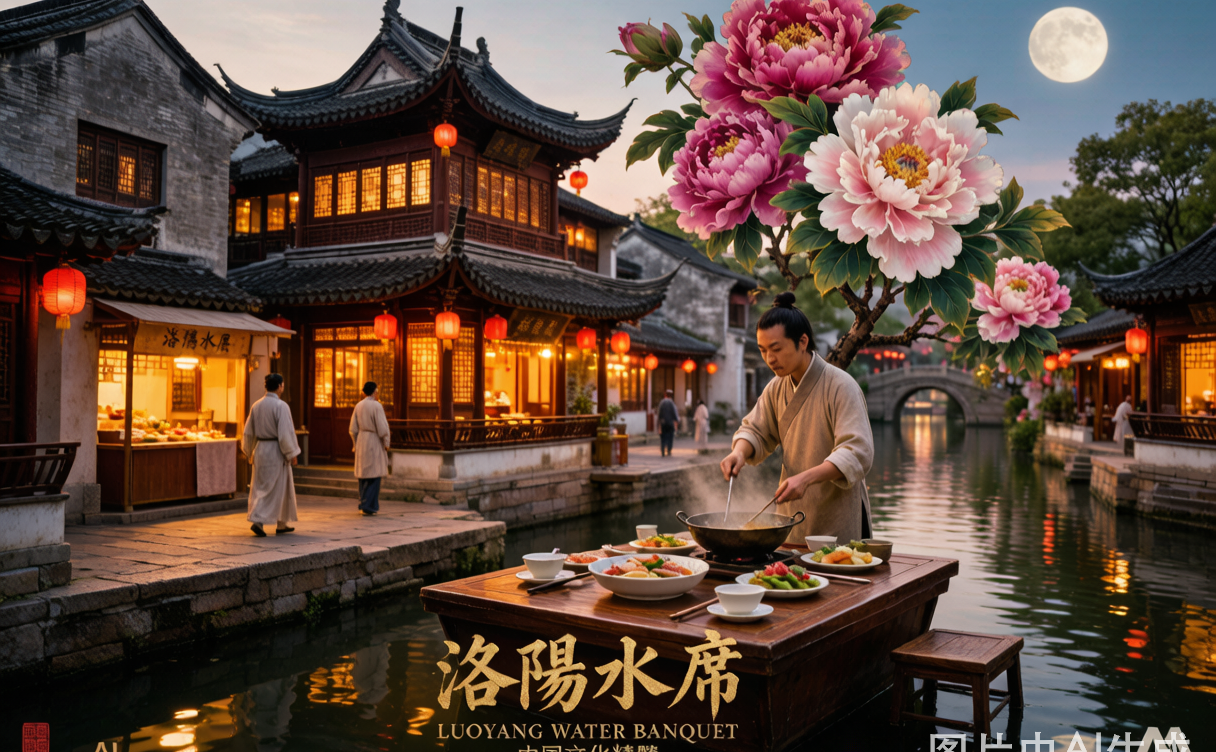
Luoyang’s signature experience is the water banquet (水席), a sequence of around 24 soup-based dishes built around silky tofu and seasonal vegetables, often served with a tangy vinegar kick. Other staples include 不翻汤 (a peony-themed breakfast soup), 浆面条 (fermented noodle soup), and sweet peony cakes sold during festival season. A water-banquet meal runs around ¥60–120 per person, while street snacks cost a few yuan each.
Vegetarian travelers will find the water banquet easy to adapt, since many of its soups are vegetable-based; just ask the kitchen to skip the occasional meat garnish. During the Peony Festival, street vendors sell peony-shaped pastries and peony-infused ice, a pretty seasonal treat. A relaxed dinner of shared soups and a pot of local green tea is the perfect close to a day of temples.
Sample Luoyang Itinerary
Day 1: Morning at the Longmen Grottoes, afternoon at White Horse Temple, evening walk and dinner in the old town.
Day 2: Half-day at Luoyang Museum and Lijing Gate, then a half-day Shaolin Temple trip or a peony-garden visit in April.
Day 3 (optional): Train onward to Xi’an for the Terracotta Army, or loop back through our national highlights for wider inspiration.
Luoyang Travel Tips
- Timing the grottoes: Arrive at opening or two hours before close to avoid tour groups and catch the best light.
- Tickets: Carry your passport; the grottoes and museum often scan ID at entry.
- Festival crowds: Book early for the April Peony Festival, when hotels near the gardens sell out.
- Routing: Keep a printed visa and payment cheat-sheet handy before you ride the rails.
Luoyang Travel Guide FAQ
Is Luoyang worth visiting compared with Xi’an?
Yes. Luoyang is less crowded and offers the Longmen Grottoes, a UNESCO site on par with Xi’an’s highlights, plus easier access to Shaolin Temple. Many travelers do both in one trip.
How many days do I need in Luoyang?
Two days cover the grottoes, White Horse Temple, and old town; add a third for Shaolin or the peony gardens. It fits neatly into a China travel guide for first-timers route.
When is the Peony Festival?
It runs through April, peaking around mid-month, with the Wangcheng Park and the Sui-Tang Luoyang City ruins garden as the main displays.
Can I visit the Shaolin Temple from Luoyang?
Easily. Buses and trains reach Dengfeng in 1.5–2 hours, leaving time for the monastery, Pagoda Forest, and a kung fu show before returning.
In summary, this Luoyang travel guide shows a city where world heritage and quiet old-town life sit side by side. Spend a day among the Longmen Buddhas, sip tea by Lijing Gate, and let Luoyang anchor a Henan journey that reaches from the Tang dynasty to your dinner table.