

Most foreign visitors to Shandong head straight for the Confucian sites around Qufu or the coastal buzz of Qingdao. Heze sits in the southwest of the province, far from those well-worn routes, and it rewards travelers who arrive in spring with one of the largest peony displays in the country. This Heze travel guide covers when to come, how to get there, what to see, and where the city fits into a wider Shandong trip. It is written for independent travelers who would rather wander a local park than queue at a famous gate.
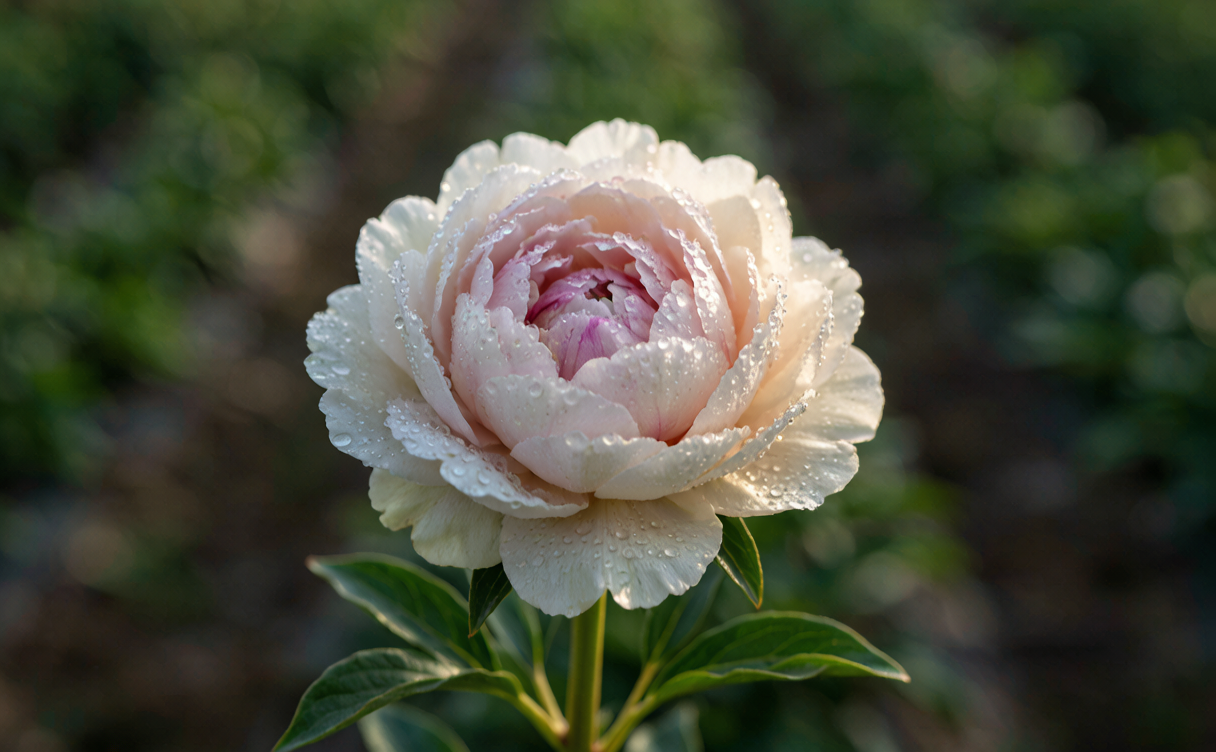
Heze calls itself the “Peony Capital of China,” and the claim is not empty marketing. Local cultivation of tree peonies goes back more than a thousand years. During the brief flowering window in April, the city turns into a soft sea of pink, red, and white blooms. Outside that season, Heze is a quiet agricultural center where you can walk old streets, eat hearty Shandong food, and use the city as a low-stress base for exploring the surrounding countryside.
Why Visit Heze
The simplest reason is the flowers. The Caozhou Peony Garden, the main venue, holds hundreds of peony varieties across a large, loosely planned landscape of ponds, pavilions, and shaded paths. It is busy during peak bloom but rarely feels as commercial as larger festival parks elsewhere in China. The atmosphere is closer to a local park that happens to be spectacular for three weeks a year.
Heze also works as a slower counterpoint to the busy heritage towns nearby. If you are already planning a Qufu travel guide loop for Confucius-related sites, adding a night in Heze breaks up the temple-and-cemetery rhythm with open green space and good food. The city pairs naturally with a few days in Jinan or a longer sweep through southern Shandong, and the rail connections make that combination easy to arrange without backtracking.
How to Get to Heze
Heze has its own high-speed rail station, Heze East, on lines that connect westward to Zhengzhou and eastward toward Jinan. A Heze day trip from Jinan is realistic if you start early, but most visitors do better with an overnight stay because the peony gardens are best in the soft light of morning and late afternoon rather than at midday.
The practical way to plan the rail leg is to read our China high-speed train guide for foreigners, which explains ticketing, seat classes, and how to read station names in pinyin. Booking in advance matters during April, when domestic tourists fill trains to Heze for the bloom.
The Heze Peony Garden Season
Timing is everything. The Heze peony garden season usually opens in early April and runs through the month, with the densest display in the middle two weeks. Early varieties open first, followed by the larger tree peonies that the city is known for. A cold or warm spring shifts the window by a week or so, so check local bloom reports before you lock in dates.
The Caozhou peony festival dates are set annually and tend to track the expected peak rather than fixed calendar days. The festival adds evening light shows and folk performances, but the gardens themselves are the draw. If you prefer fewer crowds, come on a weekday and arrive at opening.
Things to Do in Heze
Beyond the peonies, the list of things to do in Heze is relaxed. The Caozhou Painting and Calligraphy Institute displays local art, and several small museums cover the region’s history as part of the old Cao state. A walk through the older lanes near the city center shows low brick courtyards and street vendors selling roasted seeds and sweet cakes.
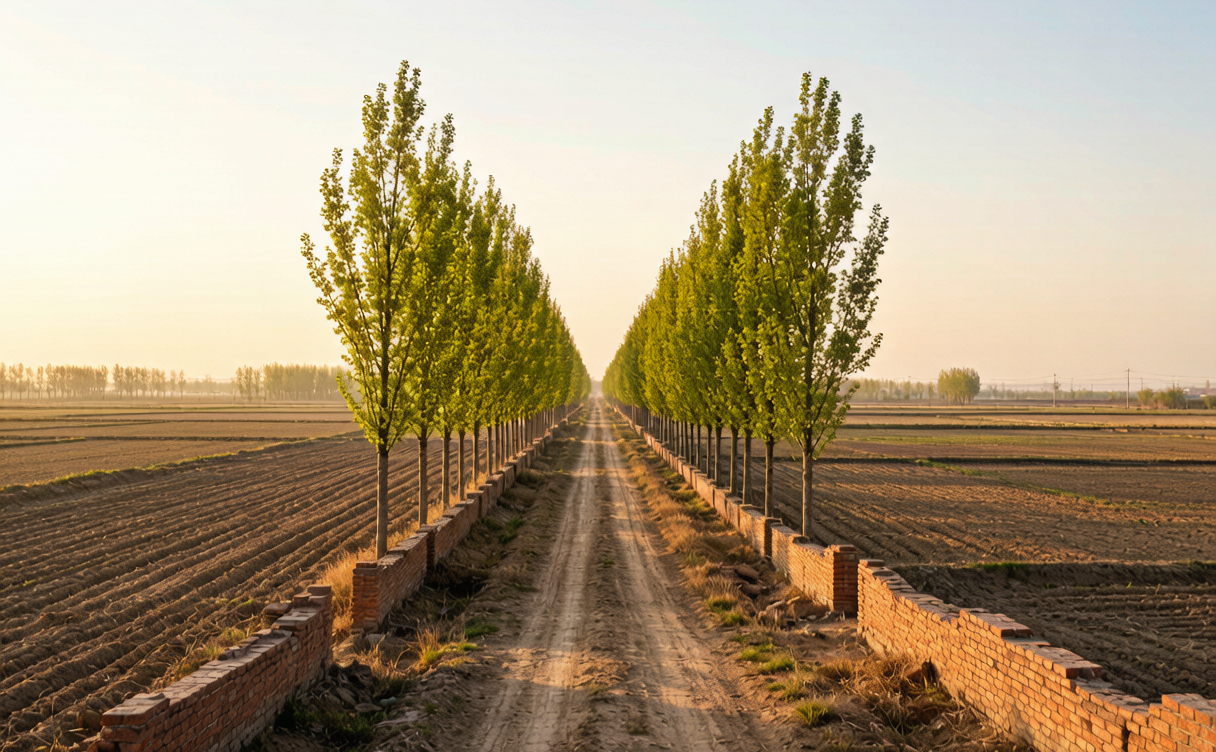
For nature, the Yellow River levee parks on the northern edge of the city offer flat cycling and birdwatching in the cooler months. The river itself is broad and muddy here, more impressive for scale than for scenery, but the embankment paths are good for an easy morning ride.
A second garden worth knowing is the Baimao Peony Garden on the city’s western side. It is smaller and less famous than Caozhou, but the ticket is cheaper and the layout is quieter, which makes it a good fallback if Caozhou feels crowded on a festival weekend. Local drivers know both, and a short ride-hail trip gets you there in twenty minutes.
Getting Around the City
Heze is compact enough that most points of interest sit within a half-hour ride of each other. Taxis and ride-hailing apps cover the center well, while the areas around the rail station have a steady supply of drivers. Buses exist but are slow and lightly signed in English, so most visitors rely on apps. If you want to reach the Yellow River embankment or the western garden, set the destination in the app rather than trying to explain it verbally, since place names in pinyin can confuse drivers who expect the Chinese characters.
Food and Local Cuisine
Shandong is the home of Lu cuisine, one of the recognized regional traditions of Chinese cooking, and Heze serves it in a rustic, affordable form. Our Shandong Lu cuisine guide goes deeper into the style, but a few dishes are worth seeking out here. Try braised carp with a sweet-and-sour glaze, spring onion pancakes, and the peony-themed snacks sold near the garden entrance, including peony-flower tea and candied petals.
Street food is strong in the early evening. Look for skewers of lamb, fried dough twisted with sesame, and bowls of light noodle soup. Portions are generous, and a filling meal rarely costs more than a few dollars.
Heze is also known for its preserved vegetables and sweet potato products, which you will see drying on rooftops in the countryside. A bottle of locally pressed peanut oil makes a practical souvenir if you cook at home, and the dried peony petals sold near the garden are a lighter option to carry back.
Where to Stay and Practical Tips
Most hotels cluster around the rail station and the city center, both within a short taxi ride of the main garden. Spring is peak season, so book ahead. Winters are cold and bare, summers hot and humid; the city is calmest and cheapest outside April.
Carry cash for small vendors, though mobile payment works almost everywhere. English signage is limited, so a translation app helps when ordering food or asking directions. The tourism bureau publishes bloom updates, and you can also check the national Ministry of Culture and Tourism of China for provincial travel notices before you go.
Sample One-Day Plan
Start at the Caozhou Peony Garden when it opens. Spend two to three hours walking the main loops, then eat a late lunch of Lu cuisine in the city center. In the afternoon, visit a small museum or the old lanes, and finish with an evening stroll and street food near the central square. If you have a second day, take a slow trip north to the Yellow River embankment.