

Our Longquan travel guide takes you to the far southwest of Zhejiang, where a single county has kept two crafts alive for over a thousand years: the pale jade-green celadon porcelain known as Longquan celadon, and the folded-steel Longquan swords that Chinese literature still calls the finest in the land. On our last visit we came for the kilns and stayed for the sword workshops, and we have since sent a steady trickle of craft-loving travelers down this quiet rail line.
Why Longquan Is Worth the Detour
Longquan sits in the mountains of Lishui prefecture, close to the border with Fujian. It is not on the usual tourist map, which is exactly the point. The celadon tradition here is recognized by UNESCO as intangible cultural heritage, and you can watch potters throw, glaze, and fire the same way their Song-dynasty predecessors did. The sword craft is equally alive: family forges still hand-fold steel and temper blades in back-room workshops you can visit.
We pitch Longquan to travelers who have already done the Hangzhou travel guide circuit and want something with dirt under its nails. It pairs naturally with the rest of our jiangnan-7-day-itinerary only if you have a car and extra days, because the mountains are slow.
Things to Do in Longquan
The Zhejiang Longquan Celadon Museum is the anchor visit. It holds pieces spanning the Song through the Qing, including the famous “brother kiln” crackle glazes and the un-crackled “younger kiln” wares. Entry is free; allow 90 minutes. Behind the museum are working kilns where you can see a firing and, for ¥80 to ¥150, sign up for a half-day throwing class.
For the fuller story, drive 30 minutes out to the Celadon Town (Qingci Zhongxin) cluster of studios and shops. This is where most of the buying happens. A small, honestly made tea cup runs ¥60 to ¥200; a large vase from a named master starts around ¥800 and climbs fast. We tell clients to buy from the studios that let you watch the wheel, not the gift shops near the parking lot.
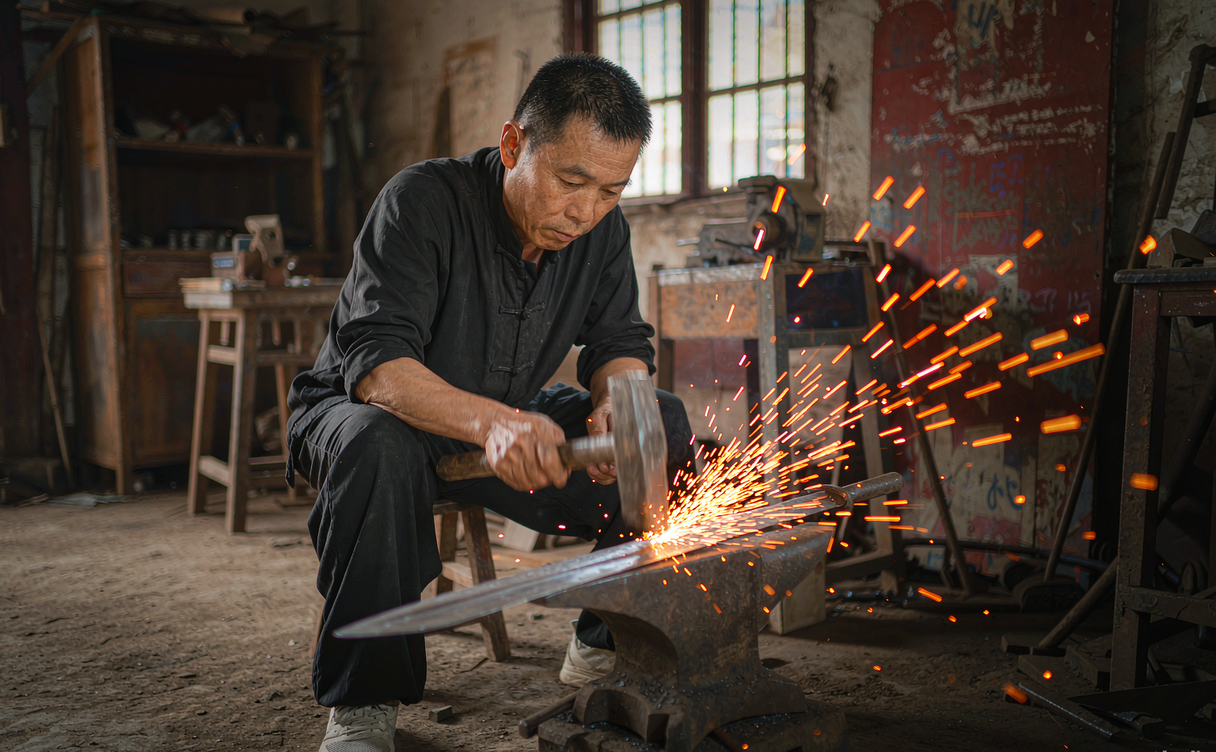
The sword side is concentrated along a short street of forges in the county seat. At a working forge you can watch a smith fold the steel, and you can buy a decorative blade starting about ¥300, with collectible pieces into the thousands. Sharp, full-tang swords are restricted, so travelers should expect a blunted souvenir unless they have the right permits; we always clarify this before anyone packs a blade.
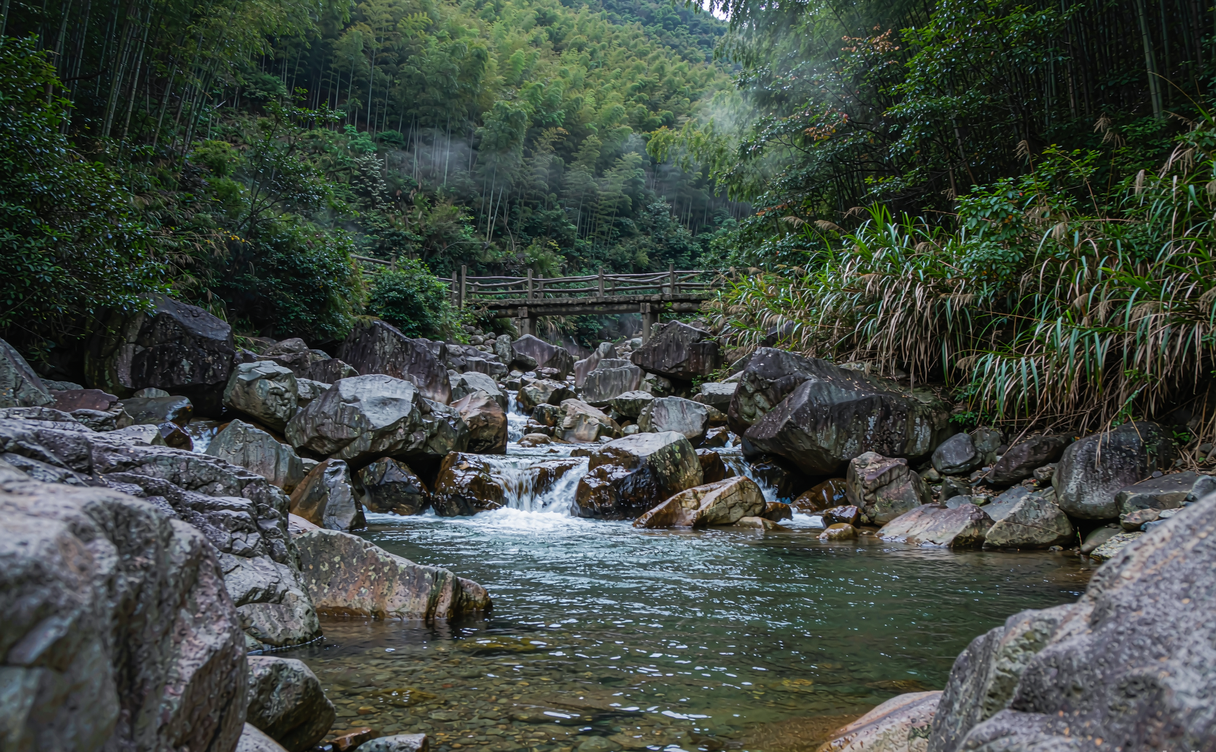
Up the valley, the Longquan Mountain (Fengyangshan) reserve draws hikers with old-growth forest and a cable car to the ridge. The park ticket is about ¥80, plus ¥60 for the cable car. It is a full day and best in cool weather.
Best Time to Visit Longquan
The honest answer to “best time to visit Longquan” is April to May and again September to November. Spring brings mild temperatures of 18 to 25 Celsius and green mountains; autumn is dry and clear, ideal for the mountain reserve. The celadon kilns fire year-round, so the craft visits work in any season.
Avoid the height of summer (late July to August), when afternoon thunderstorms roll off the Fujian border and the humidity sits heavy. We also suggest skipping the week of the October National Day holiday, when domestic tourists flood the mountain park and rooms in the county seat double in price.
How to Get to Longquan
Longquan has a station on the Quzhou-Ningde railway, so high-speed trains now reach it, but from Hangzhou you will usually change once, at Lishui or Quzhou, and the whole trip runs about 2.5 to 3 hours. A second-class through fare is roughly ¥140 to ¥170. From the station, the celadon museum and the forge street are a 15-minute taxi ride (¥20 to ¥30).
The mountain reserve is 40 to 60 minutes further by road, so a car is useful. We book a local driver for about ¥350 a day, which is the arrangement we recommend because bus times to the kilns are thin and in Chinese only. The nuts and bolts of buying seats and using the apps are in our china-high-speed-train-guide-foreigners.
Longquan is also an easy add-on from lishui-travel-guide if you are already exploring that prefecture’s villages and gorges.
Where to Eat and What It Costs
Longquan cooking leans mountain-style: river fish, wild greens, bamboo shoots, and smoked pork. A bowl of the local rice noodles is ¥12 to ¥18. A solid dinner for two with a fish and three sides runs ¥130 to ¥200. The zhejiang-cuisine-guide lays out the regional flavor map if you want the bigger picture.
Lodging is modest. A tidy county-seat hotel is ¥200 to ¥320 a night. If you want to be among the kilns, a couple of studio guesthouses near Celadon Town charge ¥350 to ¥500 with breakfast. We confirm these by phone because English booking pages are scarce.
A Note on Bookability
As of this writing, the museum and the forges are open and walk-in friendly; no reservation needed for individuals. The throwing class should be booked a day ahead in peak season. The mountain reserve sells tickets at the gate and on the major Chinese apps; foreign card support is shaky, so we pre-buy for clients.
Planning Your Days
With one day, do the museum and one forge street, then eat by the river. With two, add Celadon Town and a studio purchase. Three days lets you climb the mountain reserve at a relaxed pace. We tell craft buyers to leave their shopping for the last morning, after they have learned to tell a true wood-fired crackle from a painted imitation.
For season-wide context across the province, our best-time-to-visit-china explains the plum rains and holiday crowds to plan around.
A Realistic Longquan Budget
Here is what a couple we sent last autumn actually spent: two nights at a county-seat hotel was ¥560, the train from Hangzhou with a change was about ¥300 for two, a driver for two days was ¥700, museum and forge entries were free, and food for two came to roughly ¥560 over three days. The celadon throwing class was ¥150 each, and they left with ¥1,200 of cups and a small vase from a studio we trust. Total, about ¥3,000 to ¥3,600 per couple for three days including a modest ceramic purchase. If you skip the class and the shopping, you can do it for under ¥2,000. We flag the sword-buying rules again here: decorative blunted pieces are fine to carry, but a sharp full-tang blade needs export paperwork we help arrange only on request, so price that in if it is on your list.
Ready to plan your trip? Send us your dates and we will build a Longquan craft route around the kilns and forges.
What We Tell First-Time Visitors
Carry some cash; village studios often prefer it. Do not expect to ship a sharp sword home, and ask us before buying anything bladed. And book the throwing class ahead in spring, because the small studios fill quickly.
One more thing we learned the hard way: real Longquan celadon is never pure blue or pure white. The true color is a soft gray-green, and the “brother kiln” crackle should look like fine ice threads, not a painted net. If a shop claims a piece is “Song dynasty,” assume it is a replica unless a museum tag backs it. We also suggest walking the county seat on foot in the early evening, when the forge street cools down and the old men bring out their birds in cages; it is the most honest slice of local life and costs nothing. If you hike Fengyangshan, start before 9 a.m. in spring, because the ridge clouds in by noon and the cable car line grows. None of this needs a booking, just a free morning and decent shoes.
Want a studio visit and a driver arranged? Reach out and we will line up English-friendly potters.
The Bottom Line
Longquan rewards patience. The mountains are slow, the trains take a change, and the rewards are tangible: a cup you watched being thrown, a blade you saw being ground. We keep sending makers and quiet travelers here because few places in coastal China let you stand inside a living thousand-year craft.
Pairing this with Lishui or Hangzhou? Share your draft and we will tighten the routing and bookings.