

Our Qingtian travel guide heads to a small county in Lishui prefecture that punches far above its weight overseas: Qingtian is often called China’s hometown of the overseas Chinese, with more locals living abroad, mostly in Spain, Italy, and France, than in the county itself. On our last visit we counted espresso bars on a street where you would expect soy milk, and we watched a stone-carving master explain his work to a grandson home from Barcelona for the holidays. We have sent food lovers and heritage travelers here, and the blend of European cafe culture and deep Zhejiang roots is unlike anywhere else we cover.
Why Qingtian Stands Out
The overseas Chinese story is the headline. Starting in the late 1800s, Qingtian traders walked out of the mountains and eventually across Europe, and today the diaspora sends money, food, and habits home. The result is a county where imported olive oil is cheaper than good cooking oil, where the coffee is genuinely Italian, and where the annual import-goods fair fills the streets with cheese and wine.
The other pillar is Qingtian stone carving, a craft using the soft, colorful local Qingtian stone that carvers turn into birds, flowers, and miniature mountains. The county museum holds masterworks, and the stone itself is one of the four great Chinese seal-stone materials. We routeculture travelers here right after the wenzhou-travel-guide, because the two share a commercial, outward-facing spirit.
Things to Do in Qingtian
The Qingtian Stone Carving Museum (Qingtian Shidiao Bowuguan) is the first stop and it is free. Allow 90 minutes to see the antique pieces and the live carving bench, where masters sometimes demo. Across town, the stone-carving market lets you buy a small signed piece from ¥200, with gallery-grade works into the tens of thousands. We tell buyers to ask whether the stone is local Qingtian material or imported soapstone, because the price difference is large.
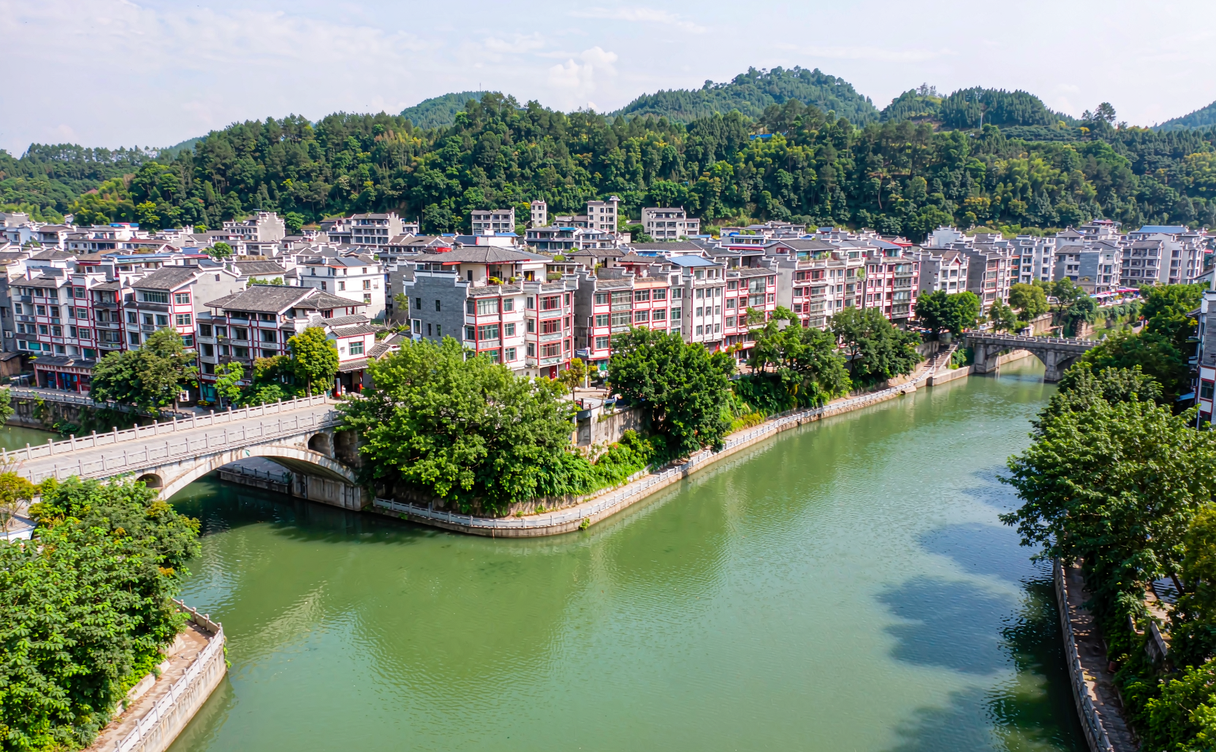
The European-style street near the river is the most photo-worthy surprise. Cafes with Italian machines, French bakeries, and Spanish tapas bars line a few blocks; a proper espresso is ¥18 to ¥28, and a plate of jamon is ¥60 to ¥120. On our last visit we had better croissants here than in some provincial Italian towns, and the owners were thrilled to compare notes.
For nature, the Qiansiyan scenic area (Thousand-Silk Cliff) has a walkable canyon with a waterfall and carved stone path, ticket about ¥45. It is an easy half-day and a cool escape in summer. Further out, the Shimen cave (Shimen Dong) combines a river gorge with cliff inscriptions from past scholars; entry is around ¥40.
Best Time to Visit Qingtian
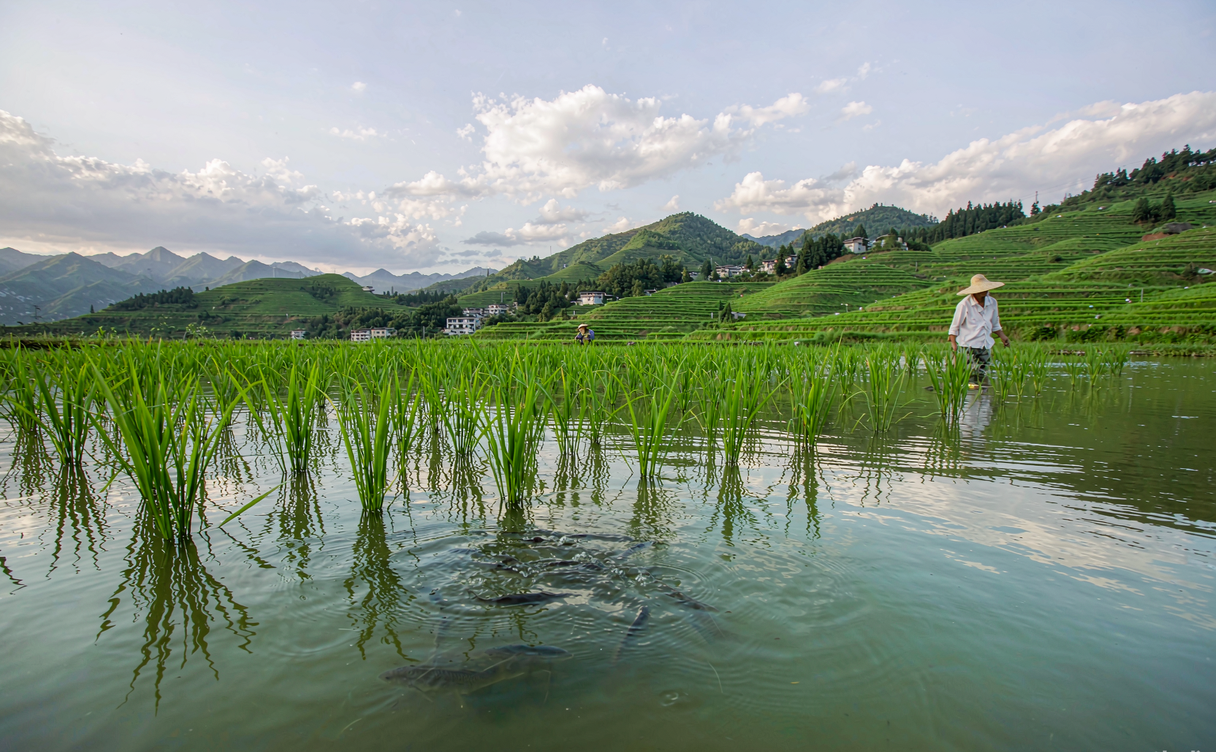
The simple answer to “best time to visit Qingtian” is April to May and September to November. Springs are mild at 18 to 24 Celsius with green hills; autumns are dry and clear. The overseas Chinese crowd is home for Chinese New Year and for the summer, so if you want the European-flavored streets at their liveliest, late January or July works, though rooms tighten.
Skip the plum-rain weeks of late June and the hot, humid stretch of July and August, when the gorges are pleasant but the towns sweat. We also flag the October National Day holiday as a price spike week. The regional pattern is in our best-time-to-visit-china.
How to Get to Qingtian
Qingtian sits on the Jinhua-Wenzhou railway, so high-speed trains reach it directly. From Hangzhou East the ride is about 2 to 2.5 hours with a change at Wenzhou or Lishui, second-class roughly ¥130 to ¥160. From Wenzhou it is a quick 25 to 35 minutes, about ¥28 to ¥40, which is why we often pair the two. From the station a taxi to the riverfront cafes is 15 minutes and ¥20 to ¥30.
A car helps for the gorges; we book a local driver for about ¥300 a day. Bus signs are Chinese-only, so the train plus ride-hailing combo is the safest plan for visitors without the language. The booking details and app walkthrough are in our china-high-speed-train-guide-foreigners.
Qingtian also dovetails with lishui-travel-guide if you are touring the prefecture’s villages and peaks.
Where to Eat and What It Costs
This is the one county in Zhejiang where we tell travelers to skip the usual noodles one night and eat European. A cafe breakfast of croissant and coffee is ¥35 to ¥50. A Spanish-style dinner for two with jamon, olives, and wine runs ¥200 to ¥350. Traditional Qingtian food is also good: the local field snails (tianluo) and river fish are ¥40 to ¥70 a plate. The zhejiang-cuisine-guide covers the wider regional table.
Hotels are fair value. A clean riverside hotel is ¥240 to ¥380 a night; during the New Year homecoming week expect ¥450 plus and book early. We confirm by phone because English inventory is thin.
A Note on Bookability
Everything we list is open and walk-in as of this writing. The stone museum needs no reservation for individuals. The gorges sell tickets at the gate and on Chinese apps; we pre-buy for clients because foreign cards are unreliable at the scanner. Cafes are cash-or-Chinese-app only, so carry some yuan.
Planning Your Days
With one day, do the stone museum, browse the carving market, and have an espresso on the European street. With two, add Qiansiyan or Shimen cave. Three days lets you slow down, eat your way through the cafes, and catch an evening riverside walk. We tell heritage travelers to time a weekend, when more overseas families are in town and the streets feel like a homecoming.
For wider routing, our jiangnan-7-day-itinerary shows how Qingtian fits a southern Zhejiang loop.
A Realistic Qingtian Budget
A couple we helped last autumn spent as follows: two nights at a riverside hotel was ¥680, the train from Hangzhou with a change was about ¥300 for two, a driver for one day to the gorges was ¥300, the stone museum and the riverfront were free, and food for two ran ¥720 across three days, split between Chinese noodles and Spanish dinners. They bought a small signed carving for ¥380 and a tin of local tea for ¥120. All in, roughly ¥2,400 to ¥2,900 per couple for three days including a modest stone purchase. Skip the European dinners and the carving and you can land near ¥1,800. We remind travelers that the gorges and the carving market take cash or Chinese payment apps, so budget some yuan before you go; the espresso bars in particular rarely touch a foreign card, and the ATM at the station is the reliable one.
Ready to plan your trip? Tell us your dates and we will build a Qingtian route around the stone carvings and cafes.
What We Tell First-Time Visitors
Bring some cash for the cafes and the market. If you want to meet the diaspora at home, aim for a festival week and book rooms a month out. And ask about the stone before you buy, because imported material is common.
One practical note from our last trip: the European street is real but small, about three blocks, so do not expect a whole district. The best espresso we found was at a corner bar whose owner trained in Milano for a decade and came home. If you want to meet the diaspora rather than just sip their coffee, time your visit to a weekend in July or to Chinese New Year, when the homecomers fill the riverfront and the conversations flow in four languages. For the stone market, go in the morning, because the master carvers demo before lunch and the good small pieces sell by early afternoon. We have had clients miss the best 200-yuan birds by arriving at three. Carry cash, and do not haggle hard; the carvers respect a fair price and remember a rude one.
Want a carving demo and a driver booked? Reach out and we will arrange an English-friendly studio visit.
The Bottom Line
Qingtian is the most surprising stop on our Zhejiang list, in the best way: a mountain county that drinks espresso and carves jade-soft stone, held together by families who circle the globe and come home. We keep sending curious eaters and heritage hunters here because nowhere else feels quite this layered.
Pairing this with Wenzhou or Lishui? Send your draft and we will tighten the bookings and routing.