

Our Jingde travel guide takes you to a small county tucked into the hills of southeast Anhui, on the edge of the old Huizhou cultural zone about ninety minutes by rail from Huangshan. If you are searching for a Jingde travel guide, the short version is this: Jingde is what the famous Huizhou villages looked like before the tour groups arrived. We have sent travelers here who loved Xidi and Hongcun but wanted to sleep somewhere the lanes go quiet after dark, and Jingde gave them exactly that, with Ming and Qing architecture, terraced fields, and a slow pace that feels borrowed from a century ago.
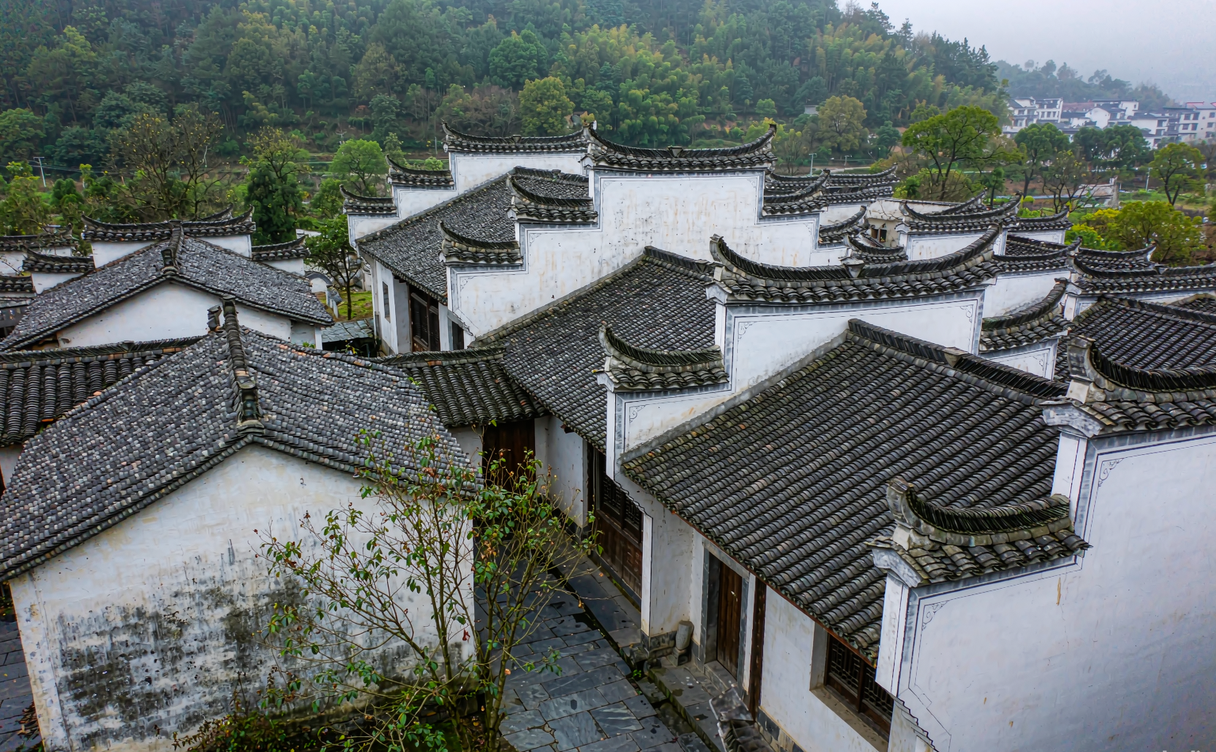
Jingde sits in Xuancheng prefecture, where the granite hills of the Huangshan range begin to soften into farmland. The county town is small and walkable, but the real draw is outside it: riverside villages of white walls and horse-head gables, an old post road worn smooth by centuries of porters, and hillsides terraced for rice and rapeseed. On our last visit a light rain had just passed, the stone lanes smelled of wet wood, and an old woman was hanging indigo cloth to dry outside a ancestral hall that no tour bus had ever reached.
Why Jingde is the Huizhou escape you didn’t know you needed
The centerpiece is Jiangcun, a Jiang-clan village that has produced scholars and officials for six hundred years. Its memorial archways, the clan ancestral hall, and the old scholar’s residence are all intact and lived-in rather than staged. Entry is around 80 RMB, and a village guide runs 100 to 150 RMB for two hours. We tell travelers to arrive before 10:00, when the morning light hits the white gables and the only other visitors are the chickens.
Beyond Jiangcun, Zhuwang village keeps a working watermill and a network of stone channels that still turn the wheels, and Luxi village frames its terraces with a Ming dynasty bridge. The Jing-She ancient post road, a restored stretch of the old Huizhou trade trail, is a half-day walk between stone markers and old rest houses; wear decent shoes, because the slabs are uneven and the climb is real.
Jingde is also one of China’s main centers for growing lingzhi, the glossy red Reishi mushroom used in traditional tonics. The roadside drying yards in autumn are worth a stop, and a box of sliced lingzhi from a village co-op costs 60 to 120 RMB, far less than the branded shops in the cities. We have watched travelers buy a year’s supply for the price of one jar back home.
Best time to visit Jingde
The best time to visit Jingde is March to May, when the terraces turn gold with rapeseed and the post road is dry underfoot, and again in September to November for cool hiking and the lingzhi harvest. Summer is hot and sticky, peaking near 35°C, though the villages stay shaded. Winter is cold and quiet, with few services open, so we only send hardy travelers then.
This county slots neatly into a wider Anhui loop. Our best time to visit China page helps you time the region against the mountain crowds, and our Anhui Hui cuisine guide explains the smoked meats, fermented tofu, and river shrimp that define the local table. Jingde makes an easy half-step between the headline villages and the provincial capital.
How to get to Jingde
How to get to Jingde is easier than most people expect, because the county has its own station on the Hefei-Fuzhou high-speed line. Trains from Huangshan North take about fifty minutes and cost 45 to 70 RMB in second class; from Hefei the ride is roughly two hours for 110 to 160 RMB. The station sits a twenty-minute taxi ride from the county town, and vans to Jiangcun leave the square for 12 to 18 RMB per seat.
If you are coming from Shexian or the classic villages, a hired car is the most flexible option: the drive from Shexian runs about ninety minutes and costs 300 to 450 RMB with a local driver we trust. For the full booking picture, our China high-speed train guide for foreigners walks you through buying these tickets with a passport and avoiding the sold-out holiday departures.
Where to stay and what it costs
Jingde is gentle on the wallet. A clean county-town hotel costs 150 to 260 RMB a night, a renovated village guesthouse with a courtyard runs 280 to 400 RMB, and the best heritage stays near Jiangcun ask 350 to 550 RMB including breakfast. Meals are cheap and hearty: a bowl of Hui-style noodles is 12 to 16 RMB, and a table of smoked pork, tofu, and greens for two is 90 to 140 RMB. Entrance fees are modest, so a couple can do two villages and a post-road walk for well under 500 RMB a day.
We usually book the village guesthouse over the town hotel, because stepping out at 7:00 to an empty lane is the whole point of Jingde. Reserve early for the May holiday and the October holiday, when the nearby headline villages spill their visitors into Jingde and rooms tighten.
Things to do in Jingde beyond the villages
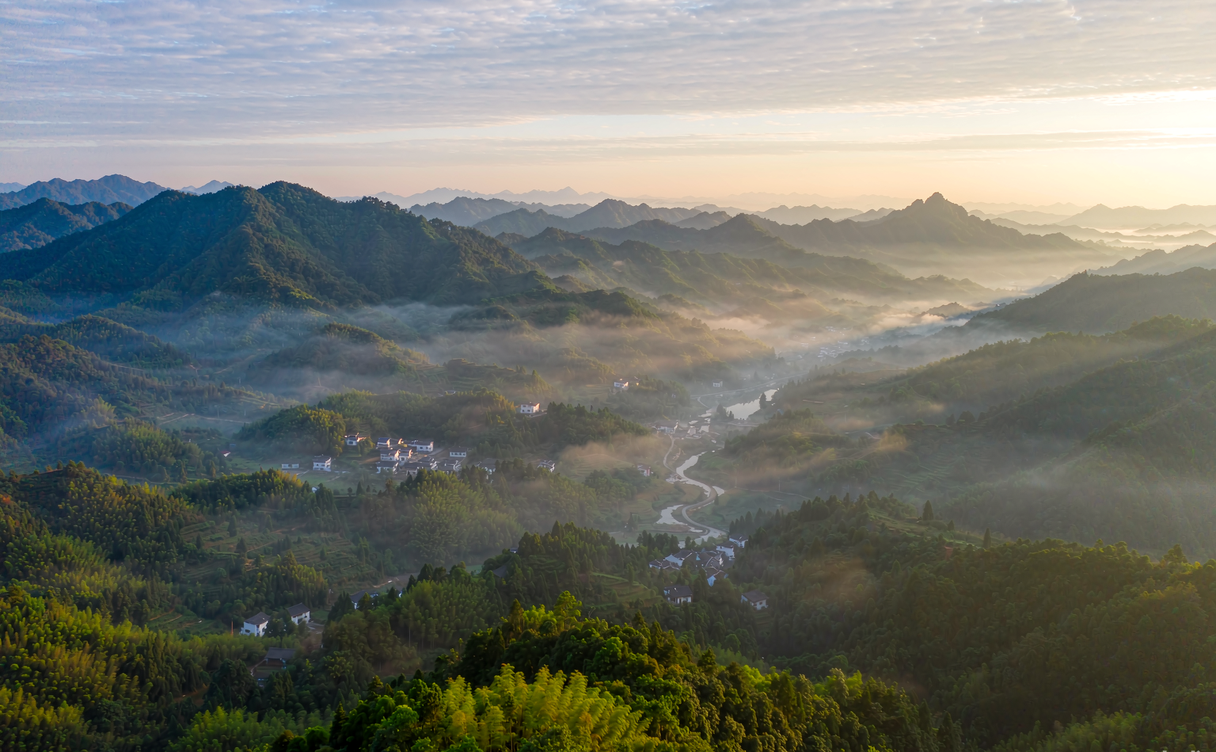
Things to do in Jingde extend past architecture. The county Confucian temple, small but finely carved, is free and rarely visited. The road over the ridge toward the Huangshan foothills has pull-offs where you can watch cloud spill into the valleys on a clear morning. And the weekly market, held on the old town square, is where we send travelers for dried bamboo, wild mushrooms, and the kind of impromptu food tasting no paid tour provides.
A day we like starts with the post-road walk, a long lunch of smoked tofu back in town, then an afternoon at Jiangcun as the light lowers. Travelers who try to bolt Jingde onto a single rushed morning usually miss the point; give it a night and the place opens up.
If you want the famous villages as a contrast, our Xidi ancient village guide and Hongcun ancient village article cover the headliners, while our Shexian travel guide adds the county that anchors the whole Huizhou region. Jingde is the calm after those two, and we often book it last so travelers leave Anhui relaxed rather than crowded.
Our honest take
We rate Jingde as a one-to-two-night gem for travelers who already love old villages and want the uncrowded version. The Huizhou region as a whole is well documented, and the encyclopedic Huizhou entry) is worth a read before you go so the architecture and clan history land harder when you stand in it. On our last visit the best moment was a silent ten minutes on the post road, alone with the sound of a stream and no engines anywhere.
Ready to plan your trip? Tell us your rail dates and we will stitch Jingde between Huangshan and the classic Huizhou villages.
Practical notes before you go
Carry cash for the village guesthouses and market, since rural card readers are unreliable. Mobile payment works in town. The county tourist desk near the square hands out a simple map, and the station taxi rank is clearly signed in both scripts. If you hike the post road, start before noon and carry water, because the restored section has little shade and no vendors.
Want a custom Anhui itinerary? Share your pace and we will balance Jingde’s quiet with the headline villages you shouldn’t skip.
A final word on rhythm
The mistake here is treating Jingde as a drive-through. It rewards travelers who slow down, who sit in a courtyard with tea, and who let the architecture speak without a guide narrating every beam. Build in an evening and a morning, and Jingde will be the Anhui memory you keep longest.
Book your Jingde stay with us and we will pre-arrange the village guesthouse and a post-road walking guide.