

Our Xiushui travel guide begins in the northwest corner of Jiangxi province, where the Xiushui River threads a green valley between forested hills roughly 250 kilometers west of Nanchang. Most travelers have never heard of this county, and that is exactly the point. We have sent travelers here who wanted the cultural depth of Jiangxi without the crowds of its famous mountains, and Xiushui delivered: a riverside highland retreat built around one of China’s most revered Song dynasty poets, a living black-tea tradition, and slow village mornings that feel a decade behind the coast. If you are researching a Xiushui travel guide, expect fewer tour buses and more invitation than instruction.
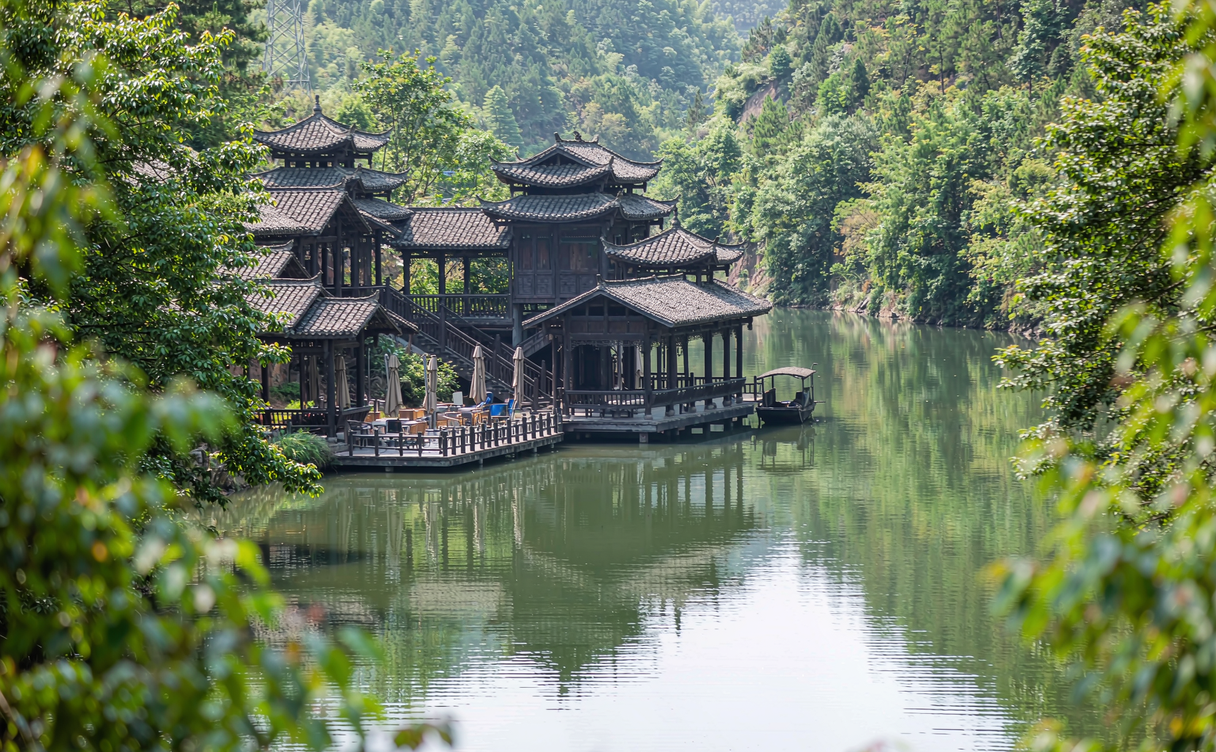
Xiushui is the kind of place where the itinerary writes itself once you understand the geography. The county town of Yining sits on a bend of the Xiushui River, backed by low ranges that turn gold in October. To the south, Shuangjing village is the birthplace of Huang Tingjian, the calligrapher and poet whose disciplined, slanting brush style still defines classical Chinese aesthetics. To the east and north, terraced tea gardens climb toward Huanglong Mountain on the Hunan-Hubei border. On our last visit, the river was low and clear in late September, and the only sounds were the ferry horn and cicadas in the willows.
Why Xiushui earns a place on your Jiangxi trip
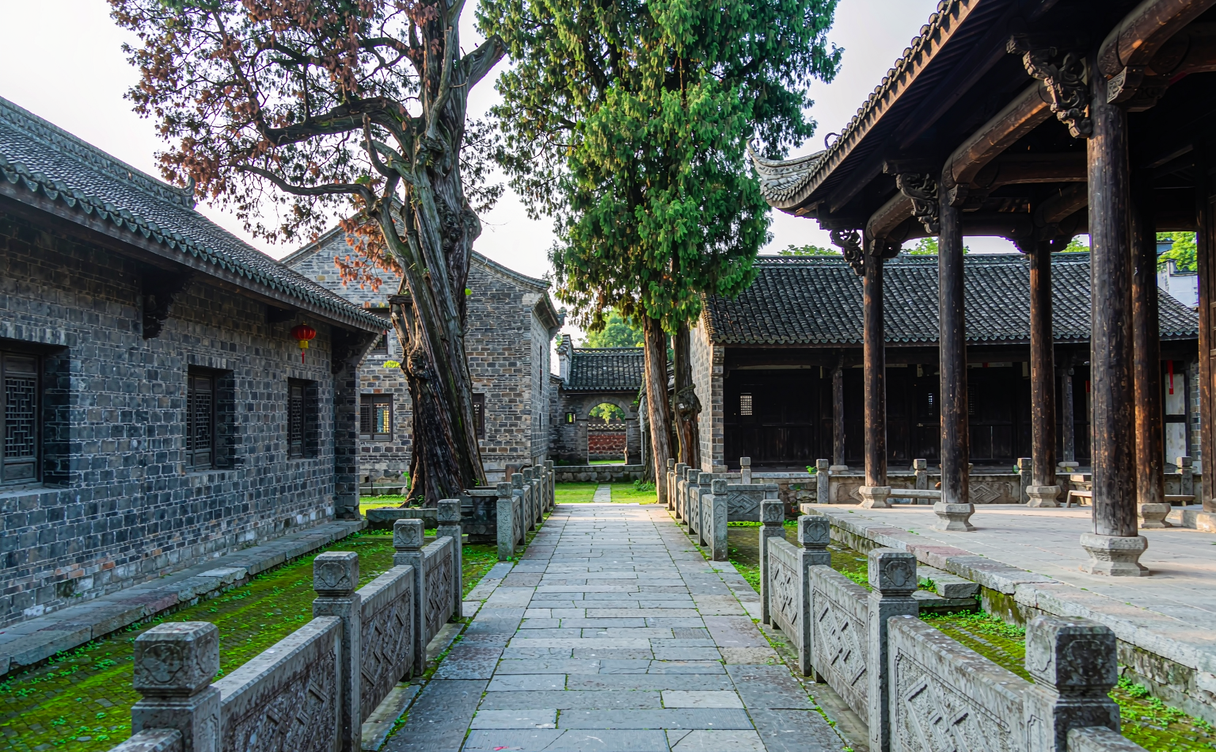
The headline reason is Huang Tingjian. His memorial hall and restored former residence in Shuangjing village hold stone steles, original brushworks, and the quiet tomb where locals still leave incense. Entry runs about 40 RMB, and a local guide costs 80 to 120 RMB for a half morning. If you have read about Song dynasty literati culture, standing in his actual courtyard is a genuine thrill; if you have not, the village itself, with its old wells and pomegranate trees, is the draw. We usually tell first-timers to budget two hours here and another hour simply walking the lanes where he played as a child.
The second reason is Ninghong tea. Xiushui has produced Ninghong Gongfu black tea since the late Qing, and the county remains one of Jiangxi’s key tea zones. Spring is the season to visit a workshop: April tours let you watch withering, rolling, and firing, then taste three or four vintages for 30 to 60 RMB per session. We advise buying loose leaf directly from a family workshop rather than the gift shops, where the same grade costs double. The best sessions end with the farmer pressing a small cake for you to take home, usually 50 to 90 RMB.
For hikers, Huanglong Mountain offers half-day ridge walks with views into three provinces on a clear day, and the riverside path near Yining is flat and paved, ideal for an evening stroll. The Xiushui River itself supports gentle bamboo-raft trips in summer, around 50 RMB per person for a forty-minute float, with life jackets included and a boatman who points out the heron nests.
Best time to visit Xiushui
The best time to visit Xiushui is April for tea and October for autumn color, with May and November as comfortable shoulder months. Summers are warm and humid, peaking around 34°C in July, though the river and higher gardens stay cooler. Winters are short and damp, with occasional frost but rarely snow at town level. We generally steer travelers away from mid-summer if they dislike heat, and toward late September when the light is soft and the tea is fresh on the shelf.
This pairs naturally with a wider Jiangxi plan. If you are building a route, our best time to visit China overview helps you stack provinces, and our Jiangxi Gan cuisine guide will explain why the local food is salty, spicy, and built around river fish and pickled vegetables. Xiushui sits comfortably between Nanchang and the mountain resorts, so a loop of five to seven days covers everything without backtracking.
How to get to Xiushui
How to get to Xiushui is the one logistical wrinkle worth planning. There is no high-speed rail station in the county yet, so the reliable path is to reach Nanchang first, then take a long-distance coach from Nanchang Bayi Coach Station to Xiushui. Coaches leave roughly every hour from 7:00 to 17:30 and cost 75 to 95 RMB, with a ride of about three hours on good road. From Jiujiang, buses run a similar schedule for 60 to 80 RMB and take about two and a half hours.
Once in town, local transport is simple: taxis start at 6 RMB, and shared vans to Shuangjing and the tea villages leave from the east gate market for 10 to 15 RMB per seat. If you want to self-drive, the G45 Daqing-Guangzhou expressway brings you within forty minutes of the county, and parking at the major sites is free or 5 RMB. For the broader rail picture, our China high-speed train guide for foreigners explains how to book the long hauls into Nanchang with a passport and where the newest lines save you hours.
Where to stay and what it costs
Xiushui is inexpensive. Budget hotels near the river cost 110 to 180 RMB a night, mid-range new builds with lifts and breakfast run 220 to 380 RMB, and the best tea-estate guesthouses outside town ask 300 to 500 RMB including dinner. Meals are the pleasant surprise: a filling bowl of rice noodles with river fish is 12 to 18 RMB, and a shared table of local dishes for two lands around 80 to 130 RMB. Entrance fees are low across the board, so a couple can comfortably spend a day here for under 400 RMB all in.
We have placed travelers in the riverside mid-range hotels and the out-of-town tea guesthouses alike; the guesthouses win for atmosphere, the town hotels win for an early start to Shuangjing before the coaches arrive. Either way, book ahead for the October holiday week, when rooms near the river double in price and the tea workshops fill their tasting slots by noon.
Things to do in Xiushui beyond the headlines
Things to do in Xiushui extend past Huang Tingjian and tea. The county’s hot-spring belt northeast of town feeds a handful of modest bathhouses where a two-hour soak costs 60 to 100 RMB, far cheaper than the resort towns. The Dongling stone forest, a cluster of weathered limestone pillars an hour’s drive south, is lightly signed and almost empty on weekdays; bring a local driver who knows the turnoff. And the riverside night market, running from about 18:00, is where we send travelers for grilled fish and the sticky rice cakes that Xiushui does better than anywhere we have tried in the province.
A typical day we recommend starts with a 7:30 taxi to Shuangjing, a slow morning at the memorial hall, a long lunch at a tea farm, then an afternoon raft on the river and dinner at the night market. It is not ambitious, and that is the recommendation. Travelers who try to cram Lushan and Jinggang into the same forty-eight hours usually regret skipping the quiet parts of Xiushui.
If your route already covers the classics, our Lushan Mountain guide and Jinggang Mountain guide sit within a day’s drive and make a strong cultural loop with Xiushui at the quiet center. We often book the mountain stops first and let Xiushui be the gentle landing before the train back to Nanchang.
Our honest take
We rate Xiushui as a two-night stop, not a headquarters. It rewards travelers who like slow mornings, real workshops, and literary history over tick-list sightseeing. On our last visit the highlight was not a monument but a tea farmer who walked us through his garden explaining why the slope mattered more than the fertilizer; that kind of access is what this county does best. For deeper background on the poet himself, the encyclopedic entry on Huang Tingjian is a good read before you go, so the steles in Shuangjing mean more when you stand in front of them.
Ready to plan your trip? Tell us your dates and we will build a Xiushui route around the tea harvest and Huang Tingjian’s villages.
Practical notes before you go
Carry some cash for the village workshops and vans, since card readers fail in the hills. Mobile payment works in town but not always at the tea gardens. The county tourist office near the river offers a free paper map with pictograms, and the local travel line handles complaints in Mandarin. Pharmacies and an English-friendly hospital are both within a short taxi ride of the river bridge, which matters if you are traveling with children or older relatives.
Want a custom Jiangxi itinerary? Share your interests and we will connect Xiushui with Nanchang and the mountains in one smooth plan.
A final word on rhythm
The mistake most travelers make is rushing. Xiushui is a place to arrive in the afternoon, walk the river, sleep well, and let the next day unfold. Build in a buffer day and you will likely extend your stay anyway. We have lost count of the travelers who booked one night and stayed three because the tea was too good to leave.
Book your Xiushui stay with us and we will pre-arrange the tea workshop and a bilingual village guide so nothing is lost in translation.