

This Lushan mountain travel guide covers Mount Lu — Lushan — a mist-wrapped granite massif in Jiangxi, China that rises sharply above the Yangtze plain. It is famous for its sea of clouds, roaring waterfalls, and a hillside town of early-20th-century villas built by foreign missionaries and Chinese luminaries, and as a UNESCO World Heritage cultural landscape (see UNESCO’s listing) it balances nature and history in one cool plateau. We’ll cover the best time to visit, how to get to Lushan, the top trails and waterfalls, where to stay in Guling town, and a sample itinerary. If you want a cool retreat with colonial character and serious hiking, Mount Lu delivers just three hours from Wuhan or Nanchang.
Content Preview
- [The Highlights](#lushan-travel-guide-the-highlights)
- [Best Time to Visit Lushan](#best-time-to-visit-lushan)
- [How to Get to Lushan](#how-to-get-to-lushan)
- [Where to Stay: Guling Town Lushan](#where-to-stay-guling-town-lushan)
- [Lushan Hiking Trails and Waterfalls](#lushan-hiking-trails-and-waterfalls)
- [Sample Itinerary](#lushan-mountain-travel-guide-sample-itinerary)
- [FAQ](#faq)
Lushan Mountain Travel Guide: The Highlights
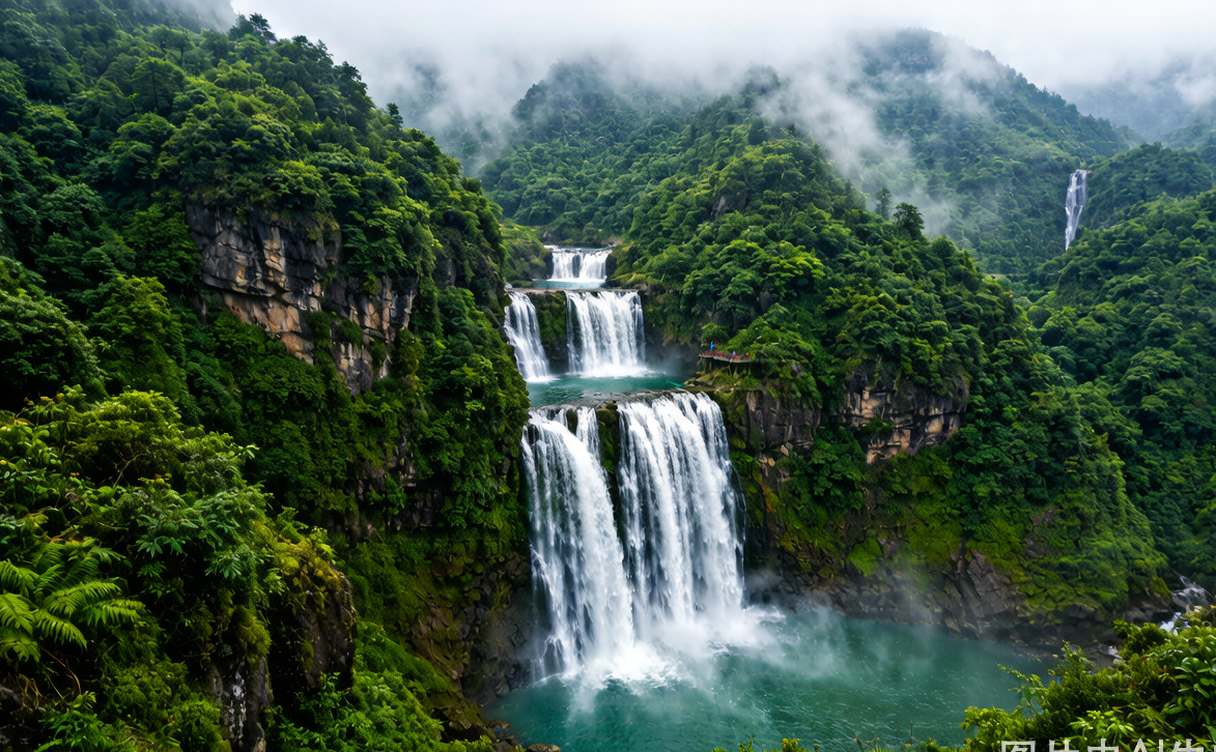
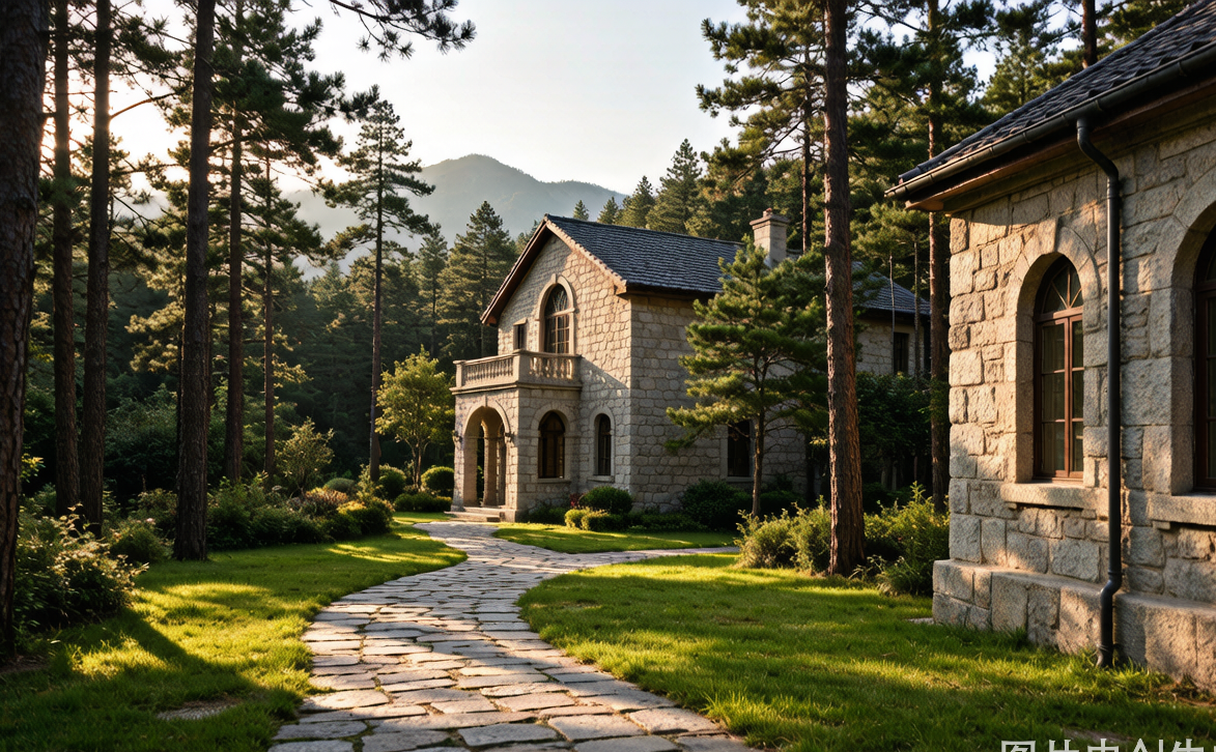
The Mount Lu Jiangxi experience is less a single summit than a cool plateau at 1,100 m ringed by cliffs. The colonial Guling town Lushan sits up top, a walked village of stone villas, churches, and cafes with a European feel that surprises first-timers. Down the eastern cliffs, Lushan waterfall country begins: the Sandiequan (“Three-Stack”) falls drop in three tiers through a narrow gorge, and the quieter Huanglong (Yellow Dragon) waterfall fills a turquoise pool perfect for a rest.
Culturally, don’t skip the Former Residence of Mao and the Meilu Villa, or the Buddhist Donglin Temple at the foot of the mountain, one of the cradles of Pure Land Buddhism. I love Lushan for the light: after rain the clouds pour over the ridges at Hanpo Pass, and you stand above a rolling white ocean — the “sea of clouds” that made the mountain famous in classical poetry.
Best Time to Visit Lushan
The best time to visit Lushan is summer (June–August) for escape from the Jiangxi heat — temperatures on the plateau stay around 22–26°C while the valleys bake. The mountain’s reputation as a summer capital comes from exactly this. Autumn (late September–November) is spectacular, with red maple along the trails and the clearest sea-of-clouds mornings; it’s my top pick and pairs well with our best autumn destinations in China guide.
Spring (April–May) is green and wet, good for waterfalls at full flow. Winter brings ice scenery but closed villas and slippery steps. July can still see afternoon thunderstorms, so plan waterfall hikes for the morning. Avoid the first week of May and October holidays, when the cable cars and buses queue badly.
How to Get to Lushan
Lushan’s gate is at the foot of the mountain near Jiujiang; the plateau is reached by shuttle bus or the cable car.
| Mode | Route | Time | Cost (¥) |
|——|——-|——|———-|
| High-speed train | Nanchang → Jiujiang / Lushan Station | 0.5–1 hr | ¥40–80 |
| High-speed train | Wuhan → Lushan Station | 1.5–2 hrs | ¥90–150 |
| Flight | Major hubs → Jiujiang (JIU) or Nanchang (KHN) | 1.5–2.5 hrs + transfer | ¥500–1,100 |
| Bus | Jiujiang → Lushan scenic gate | 1 hr | ¥15–25 |
From the gate, sightseeing buses wind 30–40 minutes up to Guling (¥90 round-trip, included in most tickets). A cable car from the east gate to the plateau runs about 12 minutes (¥60 up / ¥50 down) and spares you the bus switchbacks. For longer rail planning, our China high-speed train guide for foreigners explains booking across the network.
Where to Stay: Guling Town Lushan
Staying up in Guling town Lushan is the right call: you’re above the clouds, steps from the trails, and you catch the dawn without a commute. Heritage villas converted into guesthouses run ¥300–600 per night in shoulder season and ¥600–1,000 in July–August; modern hotels near the bus hub start around ¥250. Budget hostels and Chinese inns go from ¥150.
Book early for summer and National Day, when the cool plateau sells out. I suggest two nights so you can do a waterfall day and a cloud-viewing dawn without rushing. Some heritage villas include breakfast with local flat noodles and sweet potato, so ask when booking — it’s a nice colonial-era touch. If you want a porcelain-side day trip, our Jingdezhen travel guide is two hours south by train.
Lushan Hiking Trails and Waterfalls
The classic Lushan hiking trails all start from Guling. The headline walk is to Sandiequan waterfall: a shuttle to the trailhead, then about 1,400 steep steps down (and back up) — budget 2–3 hours round-trip, and bring water; the three-tier falls are the most photographed spot on the mountain. The Hanpo Pass sunrise walk is easier (40 minutes from town) and gives the best sea-of-clouds view. For a longer ridge day, the trail to the Five Old Men Peaks takes 3–4 hours with exposed cliff paths. Bring trekking poles for the Sandiequan descent — the steps are steep and polished smooth by millions of feet, and a sprained ankle would end your trip early.
The scenic ticket is ¥160 (peak) / ¥135 (low season), plus the ¥90 sightseeing bus and optional cable car. Compare the terrain with our Huangshan Yellow Mountain guide if you’re choosing between the two granite ranges, and see our broader China hiking and treks guide for planning.
Lushan Mountain Travel Guide: Sample Itinerary
A Lushan itinerary of two days:
- Day 1: Shuttle up to Guling, settle in, afternoon walk to Hanpo Pass for sunset clouds; dinner in the villa town.
- Day 2: Early bus to Sandiequan, the full waterfall hike (2–3 hrs), then Huanglong pool before the descent and train onward.
A three-day version adds the Mao residence, Donglin Temple at the base, and a relaxed villa-stroll morning. Either way, keep one dawn free for the sea of clouds — it’s the memory that stays with you.
FAQ
Is Lushan worth visiting for foreign tourists?
Yes, for cool summer air, waterfalls, and unique colonial villa architecture you won’t see on other Chinese peaks.
When is the best time to visit Lushan?
Summer for heat escape; late September–November for autumn color and the clearest clouds.
How do I get to Lushan?
High-speed train to Jiujiang or Lushan Station, then shuttle bus or cable car up to Guling.
Is there a cable car on Lushan?
Yes, from the east gate to the plateau — about 12 minutes, ¥60 up / ¥50 down.
How much are tickets?
¥160 (peak) / ¥135 (low); sightseeing bus ¥90; Sandiequan hike is free once inside.