

Mount Jiuhua — Jiuhuashan — is one of China’s four sacred Buddhist mountains (see Wikipedia overview), rising in Anhui, China, with ninety-nine peaks said to mirror the lotus throne of the Bodhisattva Ksitigarbha. It is also famous for its preserved mummified monks and a skyline of golden-roofed temples clinging to granite cliffs. This Mount Jiuhua travel guide covers the best time to visit, how to get to Mount Jiuhua, the key Jiuhuashan temples, where to stay in Jiuhua Street village, hiking and cable cars, and a sample itinerary. If you want a pilgrim’s mountain quieter than the famous peaks, Jiuhua is a deep, rewarding choice.
Content Preview
- [The Highlights](#mount-jiuhua-travel-guide-the-highlights)
- [Best Time to Visit Mount Jiuhua](#best-time-to-visit-mount-jiuhua)
- [How to Get to Mount Jiuhua](#how-to-get-to-mount-jiuhua)
- [Where to Stay: Jiuhua Street Village](#where-to-stay-jiuhua-street-village)
- [Mount Jiuhua Hiking and Cable Car](#mount-jiuhua-hiking-and-cable-car)
- [Sample Itinerary](#mount-jiuhua-travel-guide-sample-itinerary)
- [FAQ](#faq)
Mount Jiuhua Travel Guide: The Highlights
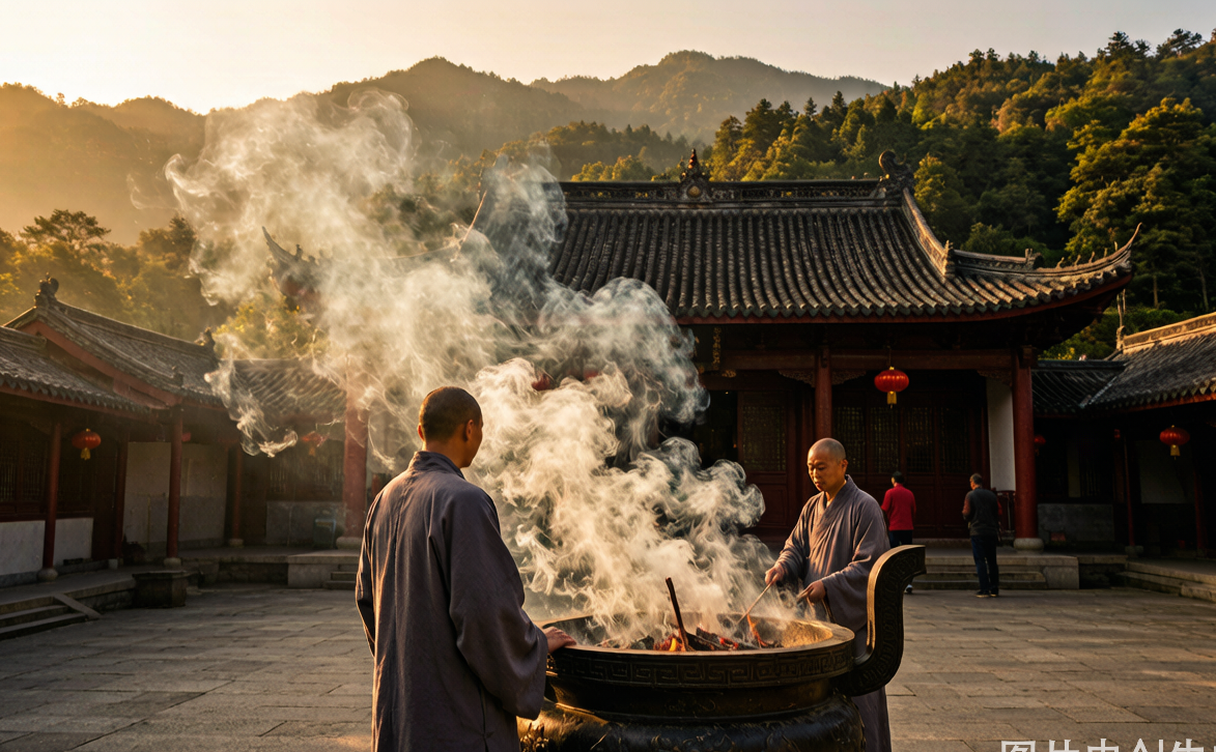
The sacred core of the mountain is the Jiuhuashan temples cluster around Jiuhua Street, where Huacheng Temple — the oldest monastery, founded in the 5th century — sits beside a constant curl of incense smoke and chanting monks. Above it, the Wooden Pagoda (Baisui Palace) enshrines the mummified body of a Ming-dynasty monk, one of several “flesh-body” Bodhisattvas that make Jiuhua unique among Buddhist mountains China honors. At the summit ridge, Tiantai Temple crowns the highest accessible peak and gives the best dawn view over a sea of misted summits.
I recommend arriving for evening chanting at Huacheng, then an early start for the Tiantai climb — that order catches both the atmosphere and the clear morning light. The mountain is busier than Wutai’s quiet corners but far calmer than Huangshan’s queues, which is exactly its charm.
Best Time to Visit Mount Jiuhua
The best time to visit Mount Jiuhua is spring (April–May) and autumn (September–October), when temperatures sit at a comfortable 18–24°C, the rhododendrons or maples color the slopes, and the mist lifts enough for summit views. Summer (June–August) is the local pilgrimage high season — green and cool but crowded on festival days, and afternoon showers are common, so start hikes early. Winter is snowy and solemn, with some upper temples closed.
Avoid National Day (early October) and the lunar Ksitigarbha birthday (roughly the 30th day of the 7th lunar month), when the mountain fills with devotees and rooms triple. The lower slopes bloom with wild azaleas in late April, a lovely reason to time a spring trip around then. For a nationwide seasonal plan, our best time to visit China guide breaks down regional weather.
How to Get to Mount Jiuhua
Jiuhua has its own high-speed station and a nearby airport, but most visitors come via Huangshan or Chizhou.
| Mode | Route | Time | Cost (¥) |
|——|——-|——|———-|
| High-speed train | Chizhou → Jiuhuashan Station | 0.5–1 hr | ¥25–45 |
| High-speed train | Huangshan North → Jiuhuashan Station | 1–1.5 hrs | ¥50–80 |
| Flight | Major hubs → Jiuhuashan Airport (JIU) | 1.5–2.5 hrs + 1 hr transfer | ¥500–1,100 |
| Bus | Chizhou / Huangshan → scenic gate | 1–1.5 hrs | ¥20–35 |
From Jiuhuashan Station a shuttle bus (about 30 minutes, ¥20) reaches the Jiuhua Street base, where the temples and hotels sit. Inside the area, sightseeing buses connect the lower and upper temple zones. For train bookings across the region, our China high-speed train guide for foreigners covers tickets and apps.
Where to Stay: Jiuhua Street Village
Jiuhua Street village — the pedestrian temple town at the mountain’s foot — is where to base yourself. Mid-range hotels and temple guesthouses run ¥250–500 per night in shoulder season and ¥500–900 on festival dates; simple pilgrim lodgings start at ¥120 with shared baths. Staying in the village means you walk to Huacheng Temple for the 6 am chanting and beat the tour buses to the cable car.
Book ahead for spring and autumn weekends, which sell out. I suggest two nights: one for the lower temples and village, one for the Tiantai summit day. Temple lodgings include a simple vegetarian breakfast, a nice way to start a pilgrim day before the crowds arrive. For a heritage-village add-on, our Hongcun ancient village guide is an easy detour toward Huangshan.
Mount Jiuhua Hiking and Cable Car
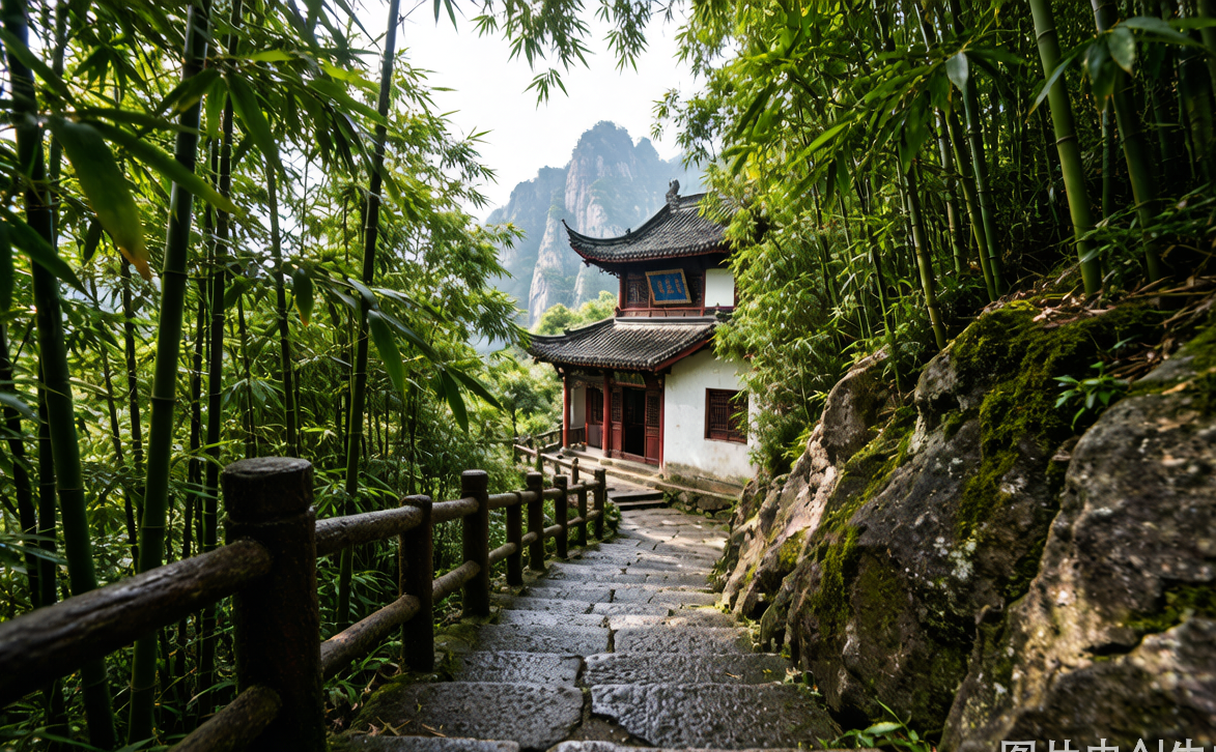
Mount Jiuhua hiking centers on two summit routes, both served by cable cars. To Baisui Palace (the wooden pagoda ridge), the cable car takes about 10 minutes (¥55 up / ¥55 down) or you can climb the 600-step path in 30–40 minutes. To Tiantai, the upper summit, the cable car runs about 15 minutes (¥75 up / ¥75 down); from the top station it’s a further 1–1.5 hours of stone steps to the Tiantai Temple ridge — budget 2.5–3 hours round-trip on foot if you skip the lift.
The scenic ticket is ¥190 (peak) / ¥140 (low season), with cable cars extra. The full Tiantai hike is the most rewarding walk on the mountain, and you can mix lift and foot — take the cable car up and walk down the stone path to save your knees. Signage on the main routes is in Chinese and English, so independent hikers can manage without a guide. For other sacred-peak routes, our Putuo Mountain guide covers the sea-island member of the four holy mountains, and our China hiking and treks guide helps plan multi-mountain trips.
Mount Jiuhua Travel Guide: Sample Itinerary
A Mount Jiuhua two-day plan:
- Day 1: Arrive Jiuhua Street, visit Huacheng Temple and the Wooden Pagoda, evening chanting; overnight in the village.
- Day 2: Cable car to Tiantai, summit hike to the ridge temple for dawn, descend and train onward.
A three-day version adds the quieter eastern temples and a slow village morning. Keep the Tiantai climb for a clear morning — the cloud sea from the top is the payoff.
FAQ
Is Mount Jiuhua worth visiting for foreign tourists?
Yes, for its golden cliff temples, mummified-monk shrines, and a calmer pilgrim atmosphere than China’s busier sacred peaks.
When is the best time to visit Mount Jiuhua?
Spring and autumn for mild weather and color; summer for cool pilgrim-season greenery.
How do I get to Mount Jiuhua?
High-speed train to Jiuhuashan Station from Chizhou or Huangshan, then a shuttle bus to Jiuhua Street.
Is there a cable car on Mount Jiuhua?
Yes — two: to Baisui Palace (¥55 each way) and to Tiantai summit (¥75 each way).
How much are tickets?
¥190 (peak) / ¥140 (low season); cable cars are extra.