

About fifteen kilometers north of Jinhua in Zhejiang Province, Shuanglong Cave — the “Double Dragon Cave” — hides inside the wooded slopes of Beishan mountain. What sets it apart from the hundreds of show caves across China is the entrance: visitors lie back in a small flat boat that is gently pulled through a narrow water gap, barely a meter of headroom, into a vast illuminated chamber. The name comes from two stalactite formations shaped like dragons, one yellow and one green, that guard the ceiling. This Shuanglong Cave guide covers how to get there, what to do, and when to visit, so you can slot this easy half-day trip into a Zhejiang itinerary.
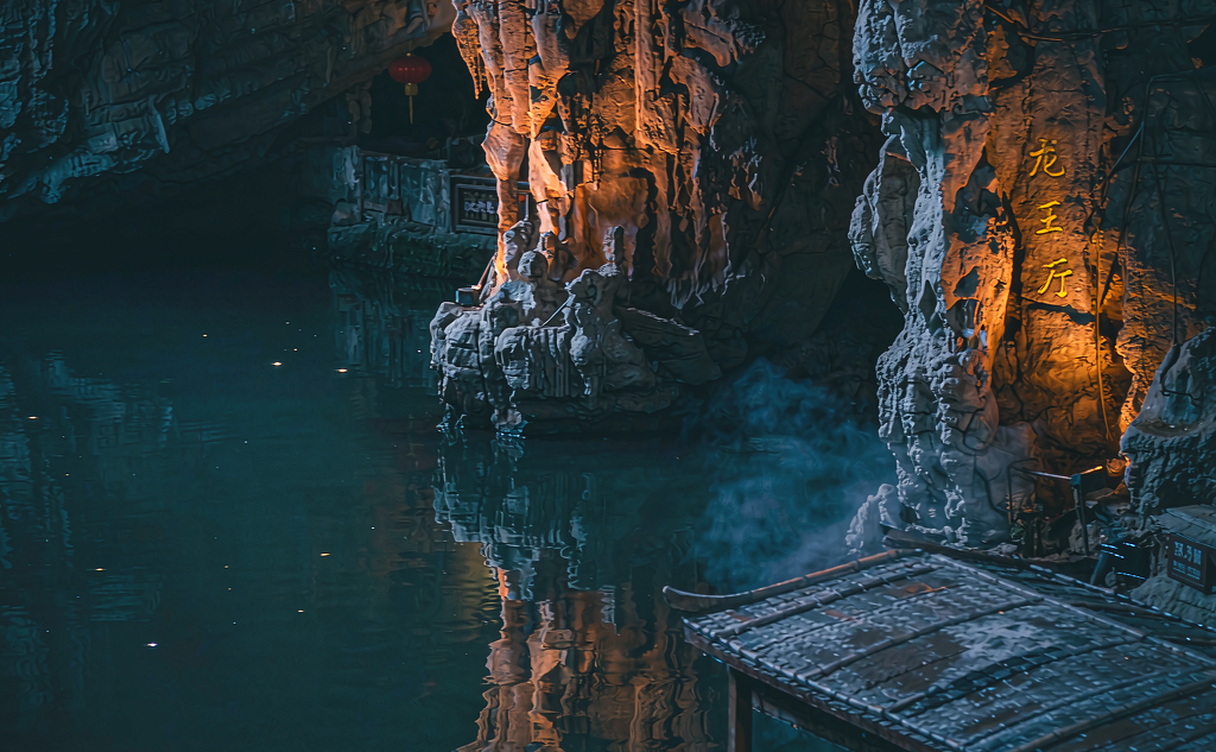
Shuanglong Cave Jinhua is part of a larger karst system that has drawn visitors for more than a thousand years. The Song-era poet Su Dongpo is said to have left inscriptions nearby, and the cave appears in classical Chinese travel writing as one of the wonders of the eastern mountains. What keeps it relevant today is the rare combination of easy access and genuine spectacle: you need no climbing skill, no special gear, and no long hike to experience something that feels truly underground and otherworldly. For foreign travelers based in the Yangtze Delta, that low effort and high reward is exactly why the cave earns a place on the itinerary.
How to Get to Shuanglong Cave
The cave sits on the northern edge of Jinhua, a mid-sized city in central Zhejiang with fast rail links. The simplest route is to reach Jinhua first; the city is roughly two hours by high-speed train from Hangzhou and about three from Shanghai. From Jinhua’s train station or bus terminal, local buses and taxis run north to the Shuanglong scenic area, a ride of twenty to forty minutes depending on traffic. Our China high-speed train guide for foreigners walks through ticketing and ID checks, which makes the rail hop straightforward even if you have never traveled by train in China before.
Once at the base of Beishan, a shuttle or a short walk brings you to the cave entrance. The whole site is compact, so you will not need a car of your own to enjoy it.
Things to Do at Shuanglong Cave
The cave is the headline, but the mountain park around it rewards a few unhurried hours.
- The boat entry. The signature moment is lying flat in a boat as it slides through the low water gap. It is thrilling without being scary, and children and nervous adults both come out grinning.
- The main chamber. Inside, colored lighting picks out the twin dragon stalactites, vast curtains of stone, and a clear underground pool. Walkways loop safely around the formations.
- The cooler inner caves. Shuanglong connects to a small network, including the colder “Cold Spring” chamber and the shorter “Hidden Cave,” each with its own mood and temperature.
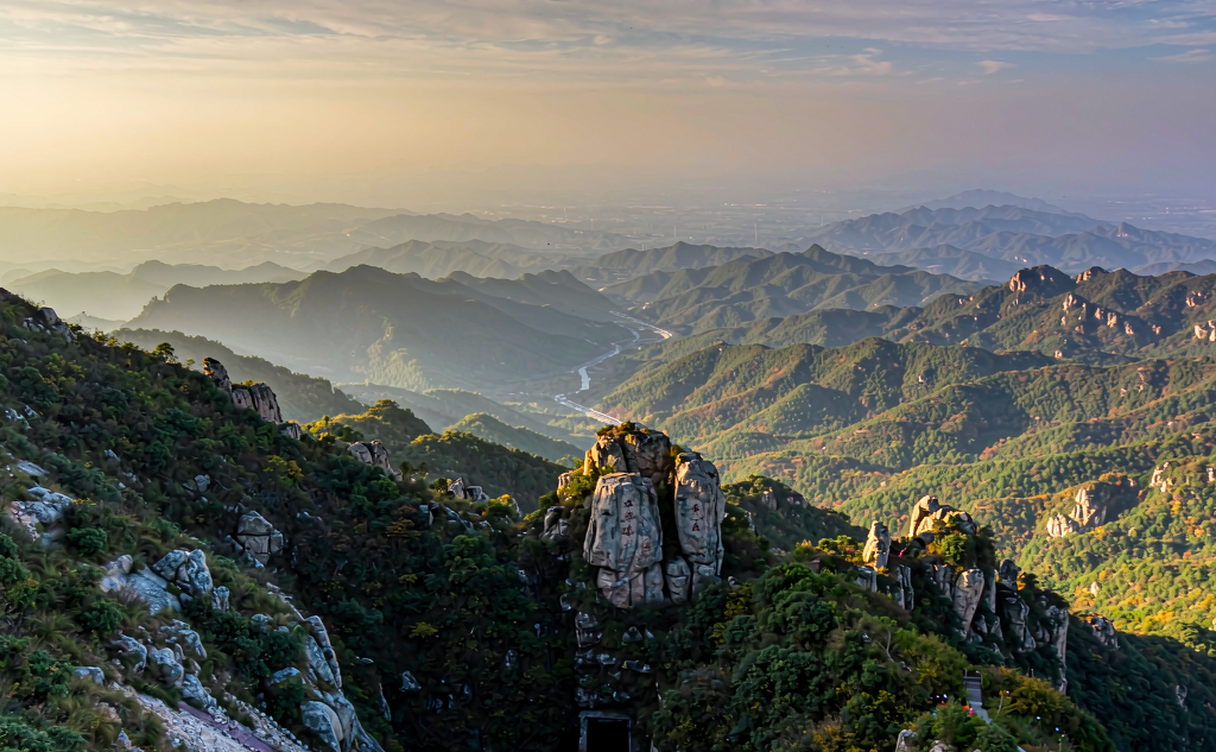
- Beishan forest trails. Above ground, paved paths wind through bamboo and pine, with occasional viewpoints over the Jinhua basin.
- The reservoir and teahouses. A small lake near the entrance has places to sit with a cup of local green tea.
If your trip centers on the capital region, our Hangzhou travel guide and Shanghai first-time travel guide explain how to use the two cities as hubs for day trips like this one.
The Shuanglong Cave Boat Experience
The Shuanglong Cave boat ride is the part visitors remember. The gap you pass through is only about the height of a person lying down, and the water is so close to your face that you instinctively duck — though the boatmen do this dozens of times a day and never clip a passenger. Inside, the chamber opens to roughly a sports-hall size, with the two dragon-shaped stalactites looming overhead and a still pool reflecting the lights. Guides often point out a “dragon’s whiskers” formation and a “dragon’s spine” ridge. Photography is allowed but tricky in the colored light; a phone with night mode handles it better than a flash, which only washes out the stone.
Because the boat carries only a few people at a time, there can be a short queue on weekends and holidays. Arriving before mid-morning or after mid-afternoon keeps the wait brief.
Best Time to Visit Shuanglong Cave
The best time to visit Shuanglong Cave is spring and autumn, when the mountain park is green and the temperatures are comfortable for the walk up from the road. The cave itself stays cool year-round, around eighteen degrees Celsius, so it is also a natural refuge from the summer heat and a calm escape on a mild winter day. Heavy rain can swell the underground streams and occasionally limit boat access, so check the forecast and avoid the day after a storm.
If you want a city base, our Jinhua travel guide covers hotels and transport in the nearest hub, and it pairs well with the cave as a relaxed half-day plan.
Where to Stay and Eat
Most visitors treat Shuanglong as a half-day trip from Jinhua city, which has a full range of hotels and is the logical base. Jinhua is also famous for its dry-cured ham, a staple of eastern Chinese cooking, and you can taste it in simple home-style restaurants near the train station. The cave area itself has snack stalls selling corn, tea eggs, and sweet rice cakes rather than full meals, so eat in the city before or after.
If you want to extend the mountain theme, our Moganshan travel guide covers the bamboo-clad retreat hills near Hangzhou, and the Yandang Mountain guide describes dramatic peaks and more caves further south in Zhejiang, both easy to add to a provincial loop.
A Half-Day Plan
Arrive at the scenic area in the morning, ride the shuttle to the entrance, and take the boat through the gap. Spend an hour inside the chambers, then climb the forest trail for the views and a tea break by the reservoir. Back in Jinhua by early afternoon, you have time for the ham-themed local lunch and maybe the city museum. This compact rhythm makes Shuanglong ideal when you have a free half day between longer stops.
Practical Tips
Wear shoes with a little grip; the cave walkways are damp and can be slippery. Bring a light layer even in summer, since the constant cool air surprises first-timers. The boat operators will ask you to lie back and keep your hands inside, and following instructions makes the passage smooth. English signage is minimal, so a translation app helps at the ticket desk, and mobile payment is the norm, though cash works at the stall. The cave stays cool and damp year-round, so a light jacket makes the boat glide and the inner chambers more comfortable than shorts and a t-shirt would allow.
Final Thoughts
Shuanglong Cave is the kind of attraction that sounds modest on paper and then delights in person. The boat glide through the stone throat, the colored dragons overhead, and the cool quiet of the chamber add up to a memorable half day that costs little and asks even less effort. For foreign visitors based in Hangzhou or Shanghai, it is one of the easiest windows into the karst landscapes that define so much of southern China, and a gentle introduction before tackling the bigger cave and mountain systems elsewhere in the province.