

Tucked into the northeastern corner of Zhejiang Province near the city of Wenzhou, Yandang Mountain is one of eastern China’s most dramatic landscapes. This Yandang Mountain travel guide is written for foreign travelers who want to pair the refined culture of the Yangtze Delta with raw, vertical scenery. Often called the “Mountains of Cloudy Seas,” Yandangshan (as it is written in pinyin) is a UNESCO-recognized geological wonder where granite peaks, deep ravines, and roaring waterfalls meet centuries of Buddhist and Taoist heritage.
Why Yandang Mountain Belongs on Your Zhejiang Itinerary
The Yandang Mountain travel guide experience is defined by contrast. By day you hike forested trails between towers of weathered rock; by night the same cliffs glow under spotlights during the famous Lingfeng night scenery Yandangshan show, when familiar peaks transform into shapes of lovers, eagles, and sleeping Buddhas. Few places in China offer such a theatrical natural performance after dark.
Yandang is also remarkably accessible. It sits roughly 300 kilometers south of Hangzhou and links easily into a broader tour of Zhejiang. If you are building a regional route, our Hangzhou travel guide explains how to base yourself in the provincial capital, while the Moganshan travel guide covers the bamboo-hill retreats nearby.
How to Get to Yandang Mountain
Figuring out how to get to Yandang Mountain is the first practical step. The scenic area is in Yueqing City, Wenzhou, and the nearest transport hub is Yandangshan Railway Station on the high-speed line.
- By high-speed train: Trains from Hangzhou, Shanghai, or Wenzhou stop at Yandangshan Station. From there, local buses and taxis cover the 15 to 20 minute ride to the park entrance.
- From Wenzhou: A taxi or bus takes about 1.5 hours. Wenzhou also has an airport with domestic connections.
- By car: Driving gives flexibility to reach the more remote trailheads, but mountain roads are winding.
For newcomers to Chinese rail, our China high-speed train guide for foreigners walks through booking, seat classes, and station navigation.
The Three Iconic Valleys
Yandang is split into several paid zones, but three are essential.
Lingfeng (Spirit Peak)
Lingfeng is the heart of the Lingfeng night scenery Yandangshan experience. By day, the twin peaks form a narrow slit called the “Couple’s Peak.” By night, colored lights reveal a completely different silhouette. Arrive before sunset to see both versions.
Dalongqiu Waterfall
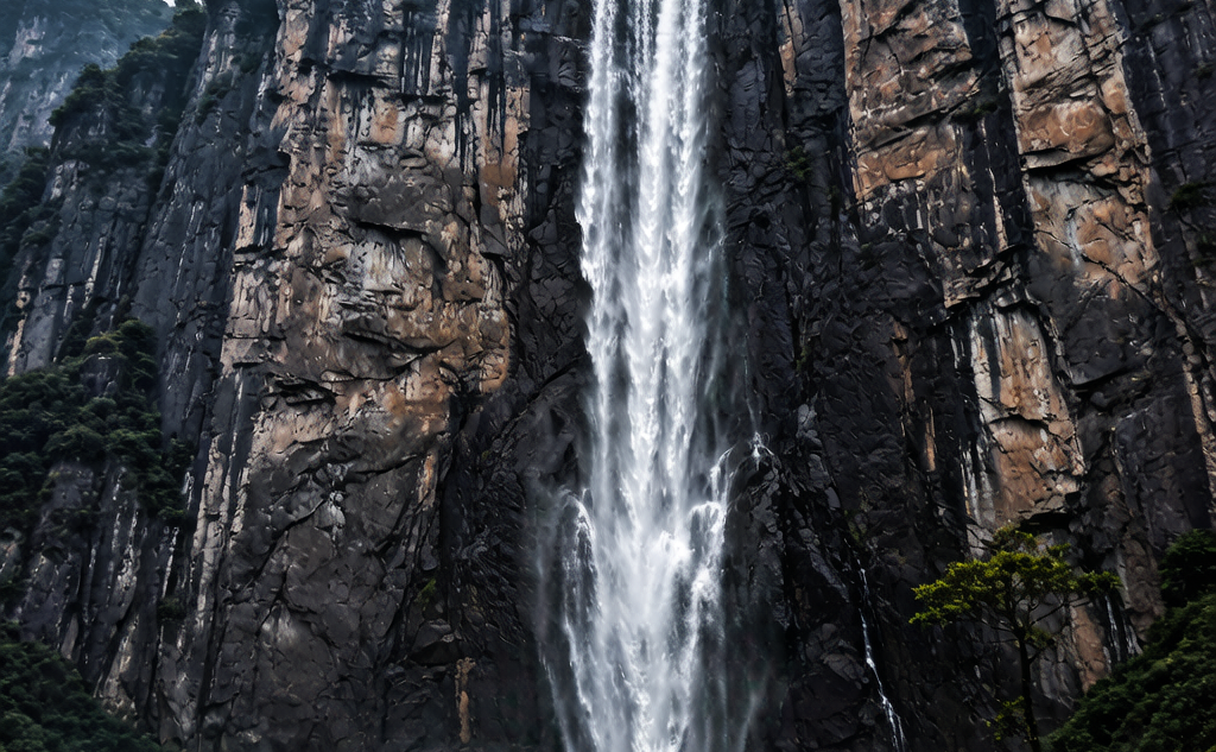
The Dalongqiu waterfall is one of China’s tallest single-drop waterfalls, plunging roughly 190 meters in a misty column. After heavy rain it becomes a thunderous spectacle; in dry season it thins to a silver thread. A short walk from the entrance leads to the viewing platform, with teahouses where you can watch the spray.
Lingyan and the Cliff Walk
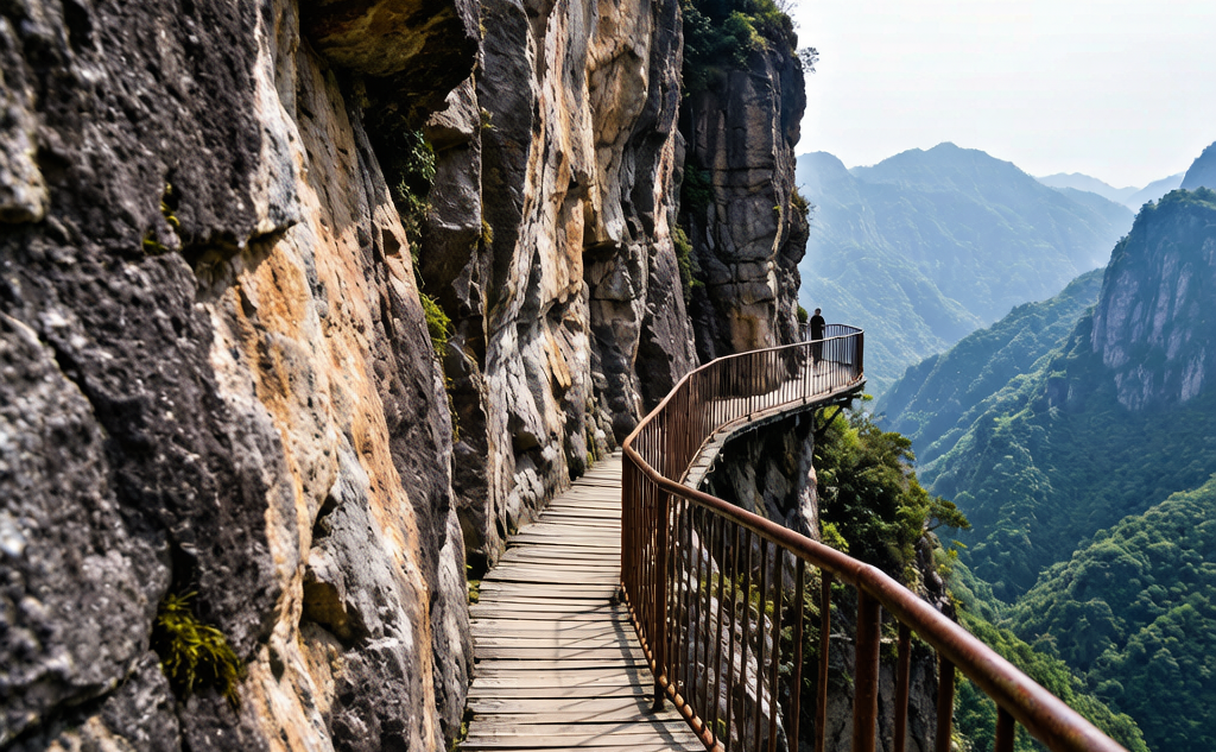
Lingyan offers the park’s most daring sight: a glass walkway and a high-wire performance where locals cross a rope strung between cliffs. The Yandang Mountain hiking here is moderate, with stone steps and shaded paths.
Best Time to Visit Yandangshan
The best time to visit Yandangshan is spring (April to May) and autumn (September to November). Spring brings lush greenery and flowing waterfalls; autumn offers cool, clear hiking weather and fewer crowds. Summer is hot and humid with sudden storms, though the forest provides shade. Winter is quiet and sometimes frosty, with certain high paths closed.
Whenever you travel, our China hiking treks guide has gear and safety advice that applies to Yandang’s trails.
Yandang Mountain Hiking: Routes for Every Level
Yandang Mountain hiking ranges from gentle strolls to half-day climbs. Beginners can follow the paved loop at Lingfeng and the flat riverside path at Dalongqiu. Stronger walkers can tackle the ridge trail linking Lingfeng to Lingyan, which takes three to four hours and rewards you with panoramic valley views.
Wear sturdy shoes, carry water, and start early to avoid midday heat. The park is well signed in Chinese; download an offline map before you arrive.
Zhejiang Mountain Trips Beyond Yandang
Yandang is one of several standout Zhejiang mountain trips, but it is far from the only one. To the north, the Wuyishan travel guide describes Fujian’s twin UNESCO cliffs and river rafting just across the provincial border. For travelers who like quieter corners, our China off-the-beaten-path guide highlights lesser-known peaks and villages across the country.
Sample Two-Day Plan
Day 1: Arrive at Yandangshan Station, check in near the entrance, explore Lingfeng by daylight, then return for the night scenery show after dinner.
Day 2: Morning at Dalongqiu Waterfall, midday hike through Lingyan, afternoon transfer to Wenzhou or onward by train.
Tickets and Costs
| Item | Typical Price (RMB) | Notes |
|——|——————–|——-|
| Combined scenic ticket | ~200 | Covers main valleys |
| Shuttle bus inside park | ~40 | Per person, recommended |
| Cable car (where available) | ~40–60 | Optional |
| Night show | Included | With valley ticket |
Bring cash for small vendors, though mobile payment dominates. The scenic area is cashless-friendly at major counters.
Why UNESCO Recognizes Yandangshan
Where to Stay Near the Park
Most visitors stay in one of two places: just outside the Lingfeng entrance, where budget hotels and guesthouses cluster, or in Wenzhou city for a wider choice of international-standard rooms. Staying near the gate lets you catch the night scenery show and return on foot, while a Wenzhou base suits travelers who want city dining and then day-trip in. Book early for weekends and holidays, when rooms fill fast.
Local Food to Try
The Wenzhou region is famous for its seafood and delicate snacks. Near the park you will find river fish, free-range chicken, and wild mountain vegetables stir-fried with garlic. Try the local yellow croaker, oyster omelets, and the sweeter Zhejiang-style dumplings. Vegetarian travelers will find tofu and vegetable dishes easy to order; ask for “shucai” (vegetables) and “su cai” (meat-free dishes) to be clear.
Photography Tips for the Night Scenery
The Lingfeng night show is the park’s signature photo opportunity. Bring a tripod or brace your phone on a railing, use night mode, and arrive before sunset to scout angles. The lit peaks look best on clear, low-humidity nights; after rain they can be obscured by mist. For waterfall shots at Dalongqiu, a slow shutter speed turns the cascade into silk — a small travel tripod helps.
Lingyan Cliff Walk and the High-Wire Show
Lingyan is where Yandang’s drama peaks. A glass-bottomed walkway clings to the cliff face, and each afternoon a local performer tightrope-walks between two peaks hundreds of meters above the gorge — a vertigo-inducing tradition that draws big crowds. If heights make you uneasy, stick to the lower boardwalk, which still offers superb views of the folded rock walls. The walk from the entrance to the performance point is flat and shaded, making it the easiest valley for less mobile travelers.
Best Sunrise and Sunset Spots
For sunrise, the ridge above Lingfeng glows gold in clear autumn weather; for sunset, find a quiet bench at Dalongqiu where the light rakes across the falls. Because the park spans several valleys, plan your light around which zone you are in — you cannot easily hop between them after the shuttles stop in late afternoon.
Facilities and Visitor Services
Each major valley has a visitor center with maps, water, and basic first aid. Signage is mostly Chinese, so download an offline translation app and a park map before arrival. ATMs are scarce inside the park, so withdraw cash in Wenzhou or Yueqing beforehand. The shuttle bus is the easiest way to move between valleys and saves the legwork of repeated climbs.
Yandangshan is part of the UNESCO Global Geopark network because of its exceptional rhyolite rock formations, shaped over millions of years by tectonic uplift and erosion. You can read more about the global geopark program on the UNESCO website, which explains how sites like Yandang are protected for both science and tourism.