

This Moganshan travel guide is for travelers who want cool air, green silence, and a touch of old-world charm without leaving the Yangtze Delta. Moganshan (莫干山) is a wooded mountain in Deqing County, Zhejiang, China, long favored as a summer retreat from the heat of Hangzhou and Shanghai. What sets it apart is the blend: dense bamboo groves, tumbling streams, and a scatter of stone villas built by foreign missionaries and merchants a century ago, now reborn as boutique hotels and cafés. It is an easy escape that still feels remote.
Content Preview
- Moganshan Travel Guide: Best Time to Visit
- Moganshan Travel Guide: How to Get There
- Top Things to Do in Moganshan
- Where to Stay in Moganshan
- Sample Moganshan Itinerary
- FAQ
Moganshan Travel Guide: Best Time to Visit
The best time to visit Moganshan is late spring (May to June) and autumn (September to early November). Summer is the classic season — the mountain runs 5–8°C cooler than the cities below, which is exactly why Shanghai families have come here for a hundred years — but July and August weekends get busy. Autumn brings crisp light, yellowing bamboo, and the clearest hiking. Winter is quiet and cold, with occasional frost that makes the old villas look stark and lovely.
Avoid the National Day Golden Week in early October if you can; the narrow mountain road clogs and rooms double. Moganshan sits in the Moganshan Scenic Area of Deqing; more on the region’s geography is on Wikipedia’s Moganshan article.
June and early July bring the plum-rain season, with humid days and the occasional downpour, yet the bamboo is at its greenest and the Sword Pond falls run full — a fair exchange for a few damp afternoons indoors with a village coffee. If you catch a clear day between rains, the light on the hills is superb.
Moganshan Travel Guide: How to Get There
Most travelers reach Moganshan via Hangzhou or Shanghai, then transfer to Deqing and a shuttle up the hill. The high-speed train to Deqing Station (on the Hangzhou–Huzhou line) is the fastest option, followed by a taxi or the scenic-area bus to the entrance. Driving is also popular — the mountain is about 2.5 hours from Shanghai and 1.5 from Hangzhou — but the final climb is a winding one-lane road, so a local driver helps if you are nervous on curves.
| Mode | Route | Time | Approx. Cost |
|——|——-|——|————–|
| Train + taxi | Hangzhou East → Deqing → mountain | ~1.5h total | ¥80–180 |
| Train + taxi | Shanghai Hongqiao → Deqing → mountain | ~2.5h total | ¥150–280 |
| Direct bus | Hangzhou → Moganshan | ~2h | ¥40–60 |
| Self-drive | Shanghai → Moganshan | ~2.5h | fuel + tolls |
| Scenic bus | Deqing Station → hill entrance | ~40 min | ¥15–25 |
Inside the area, walk or hire an e-bike from your hotel; the pretty spots are spread out and the paths are gentle.
Top Things to Do in Moganshan
Walk the Bamboo Sea
The bamboo groves are the heart of Moganshan. A trail near the Sword Pond (剑池) threads through towering stalks that click and creak in the wind — a sound worth the trip alone. Go at opening time for mist and no crowds.
The Old Villas
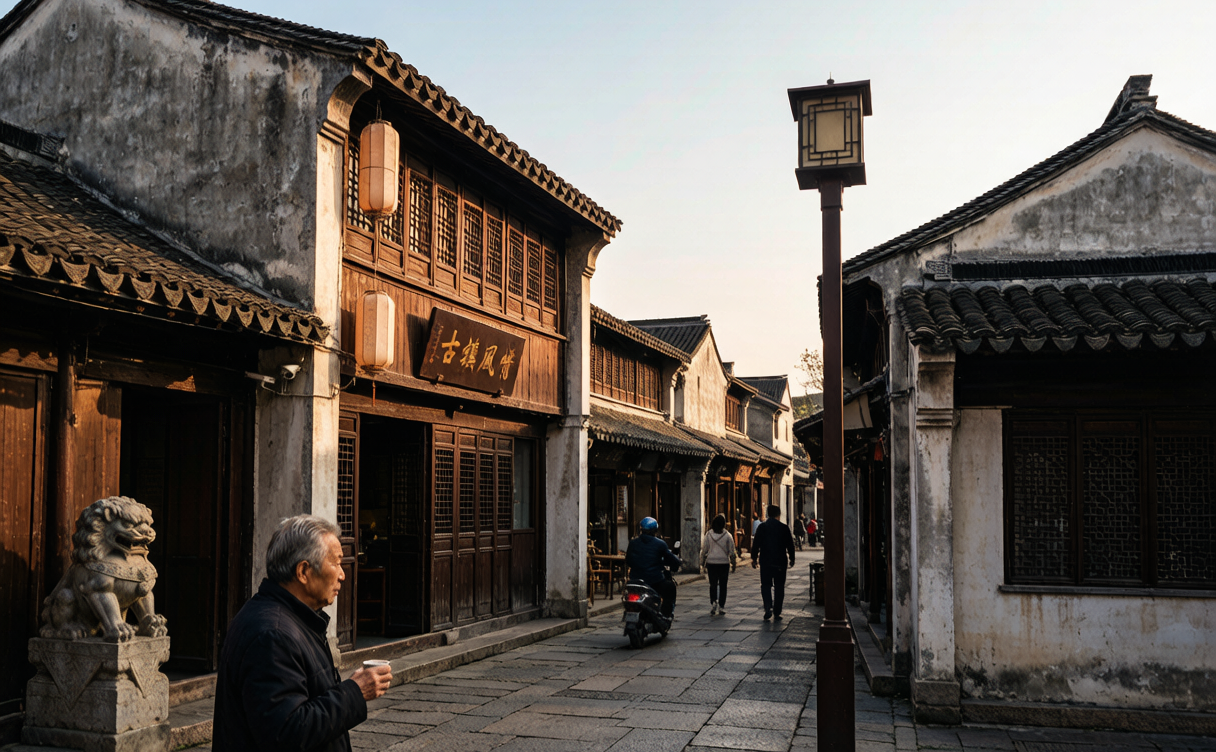
More than two hundred stone villas from the early 1900s dot the slopes, built by Western missionaries, expats, and Chinese merchants. Several are open as heritage hotels; even if you do not stay, the exteriors and gardens are a quiet walk through a vanished world.
Sword Pond and Waterfall
The Sword Pond is the scenic centerpiece, a series of small falls where legend says a famous blade was forged. The stone steps down are shaded and cool, a good retreat on a hot afternoon.
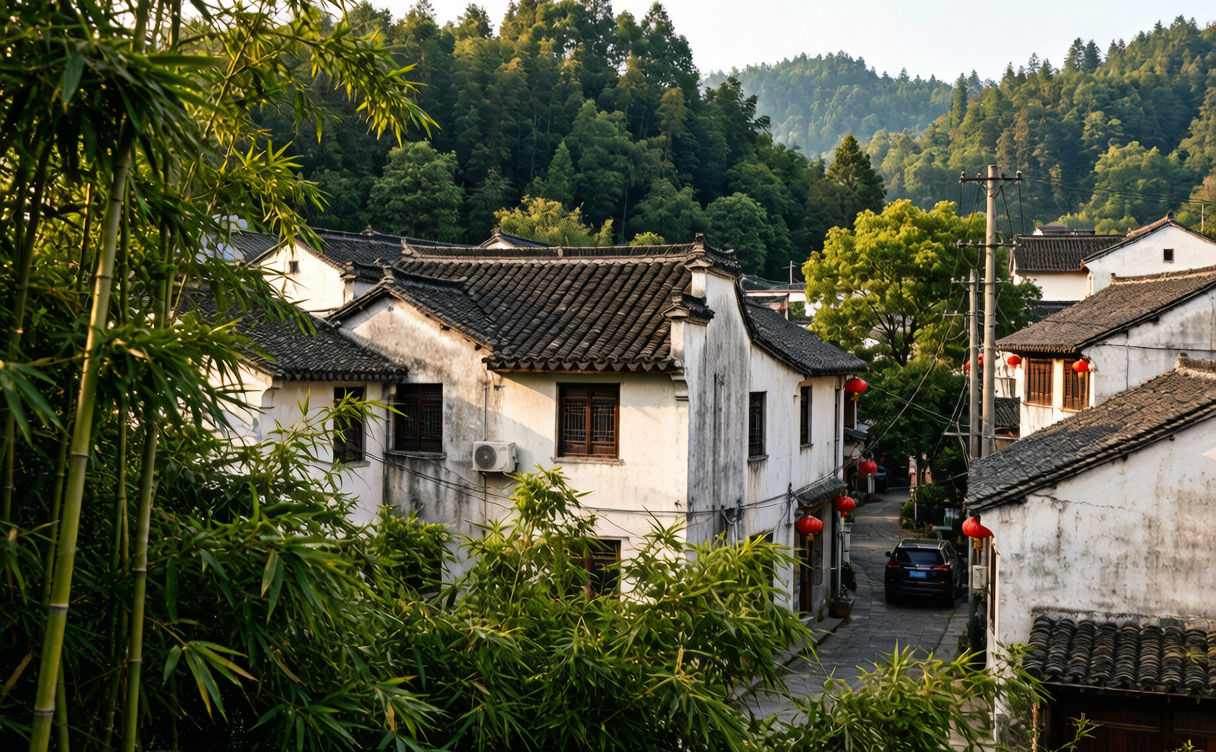
Village Cafés and Rice Terraces
The lower villages — Yucun and Houwu among them — have turned farmhouses into coffee shops, bakeries, and design stays. Order a flat white, watch the terraces, and you will understand the mountain’s slow appeal.
Sunrise from the North Summit
A pre-dawn walk to the northern lookout catches sea-of-clouds mornings when the weather is right. It is a moderate climb and the view over the Yangtze Delta is the kind of thing you remember.
Where to Stay in Moganshan
Stay inside the scenic area if you want bamboo at your window and dawn walks with no one around — heritage villas and design hotels here run ¥600–1,500 a night, with the famous names booking out weeks ahead. The lower villages offer more affordable guesthouses from ¥250, plus easier restaurant choice. If budget matters most, sleep in Deqing town and shuttle up for the day. Weekends and holidays need advance booking everywhere on the mountain.
Moganshan Travel Guide: Practical Tips
A few notes to keep your Moganshan travel guide plan smooth. Book lodging ahead, especially for summer weekends — the mountain has limited rooms and they fill fast. Mobile payment rules here as everywhere; set up Alipay or WeChat Pay before arrival, and carry some cash for small village stalls. English is rare, so keep a translation app and the Chinese name 莫干山 saved.
The weather shifts quickly on the hill, so pack a light jacket even in summer and proper shoes for slippery stone steps. Taxis from Deqing Station are easiest booked through your hotel or a ride app. If you want a broader picture of the province’s highlights, our best things to do in China roundup lists Moganshan among Zhejiang’s top stops.
Mountain lodges often include breakfast but few other meals, so ask your hotel about dinner or plan a short ride down to Yucun, where a restaurant row stays open late. The scenic-area shuttle runs on a loose schedule, so confirm the last return time with your hotel so you are not stranded after a sunset walk. A small daypack with water, a snack, and a rain layer keeps the day comfortable, and a power bank helps if you are shooting photos all afternoon.
Sample Moganshan Itinerary
Day 1: Train to Deqing, shuttle up the hill, and an easy afternoon among the old villas and village cafés.
Day 2: Sunrise from the north summit, morning at Sword Pond and the bamboo sea, slow afternoon at a design hotel pool or terrace.
Day 3: Lower-village walk, late breakfast, and the early train back to Hangzhou or Shanghai.
FAQ
Is Moganshan good for families? Yes. The paths are gentle, the air is cool, and the cafés and pools suit kids, though strollers struggle on stone steps.
Do I need a car? Not necessarily. Trains plus taxis and hotel e-bikes cover it; a car helps only if you plan many village hops.
How many days? Two nights lets you see the groves, villas, and a sunrise without rushing.
Is it crowded? Summer weekends and Golden Week are busy; spring weekdays are calm.
What is Moganshan famous for? Bamboo forests, cool summer air, and early-1900s stone villas turned into retreats.
By Karl — Last updated July 27, 2026