

Walking into a Shanghai neighborhood eatery for the first time can feel like stepping into someone’s grandmother’s kitchen. The steam, the clatter of enamel spoons, and the deep mahogany shine of braised pork on the next table all point to one thing: Shanghai benbang cuisine. This is the local, everyday cooking of the city, distinct from the flashier Cantonese and Sichuan restaurants that dominate hotel dining rooms. If you want to understand what Shanghainese people actually eat at home and in their favorite holes-in-the-wall, benbang is where you start.
What is Shanghainese food, exactly? The term “benbang” literally means “local style” or “our own way of cooking.” It grew out of the farms and river towns around the old city, using river fish, soy sauce, sugar, and rice wine to build deep, savory-sweet flavors. Unlike the chili heat of Sichuan or the light poached seafood of Guangdong, benbang leans on slow braising and gentle simmering. The result is food that tastes rounded rather than loud. A first-timer often finds it milder than expected, then realizes they cannot stop eating the sauce with extra rice.
The dish everyone knows is hongshao rou, Shanghai style. These are cubes of pork belly braised until the fat turns glassy and the skin melts. The sauce is built from soy, rock sugar, Shaoxing wine, ginger, and star anise, then reduced until it coats each piece in a sticky amber glaze. A good version is not greasy; the long simmer renders the fat so the meat eats almost like custard. Order it with plain rice and you will understand why locals call it comfort food. In many old restaurants the cook still makes it the same way their grandfather did, skimming and turning the pot for the better part of an hour.
Beyond pork, benbang cooking loves river produce. Braised crucian carp with scallions, steamed hairy crab in late autumn, and “oil-blasted” shrimp that stay sweet and snappy are staples. Vegetable dishes matter too: “oil-braised” greens and dried bamboo shoots in stock show the same patience with low heat. The philosophy is less about spice and more about layering soy, sugar, and wine until the plate tastes balanced on its own. When travelers ask me what is Shanghainese food at its core, I point at a bowl of braised greens and say this is the whole idea — quiet, sweet, and built to be eaten with rice night after night.
One thing that surprises visitors is how sweet Shanghai food can be. A little sugar goes into almost everything, from braises to cold appetizers, and it is there to round the saltiness rather than make the food dessert-like. If you grew up on Western Chinese takeout, benbang will taste cleaner and less oily than you expect. The oil is there, but it is used to carry fragrance, not to drown the ingredients, and the best kitchens keep their sauces clear rather than murky.
Where should you actually eat? For a sense of history, the old-name restaurants along the former French Concession and around the old city still draw crowds. If you are mapping out your trip, pair a food crawl with our Shanghai first-time travel guide so you can slot meals between sightseeing without backtracking across the city. The famous heritage spots serve solid classics, but the real character often shows up in tiny tiled storefronts where the menu is a wooden board on the wall and the tea comes in chipped enamel pots.
If dumplings are also on your list, the city’s soup dumplings deserve their own afternoon. Our Shanghai soup dumpling guide walks you through xiaolongbao etiquette and the best counters to try them. Benbang and xiaolongbao pair naturally on the same day: start with dumplings, then sit down to a braised pork feast, and you have eaten the two things Shanghai does better than anywhere else.
For a broader picture of how Shanghai’s local style fits into China’s regional map, our Chinese food guide to the eight cuisines explains where benbang sits among the great traditions. It helps to know that benbang is one of the smaller, quieter cuisines, often overshadowed by Sichuan and Cantonese abroad, which is exactly why eating it in the city feels like a discovery rather than a repeat of the takeout menu back home.
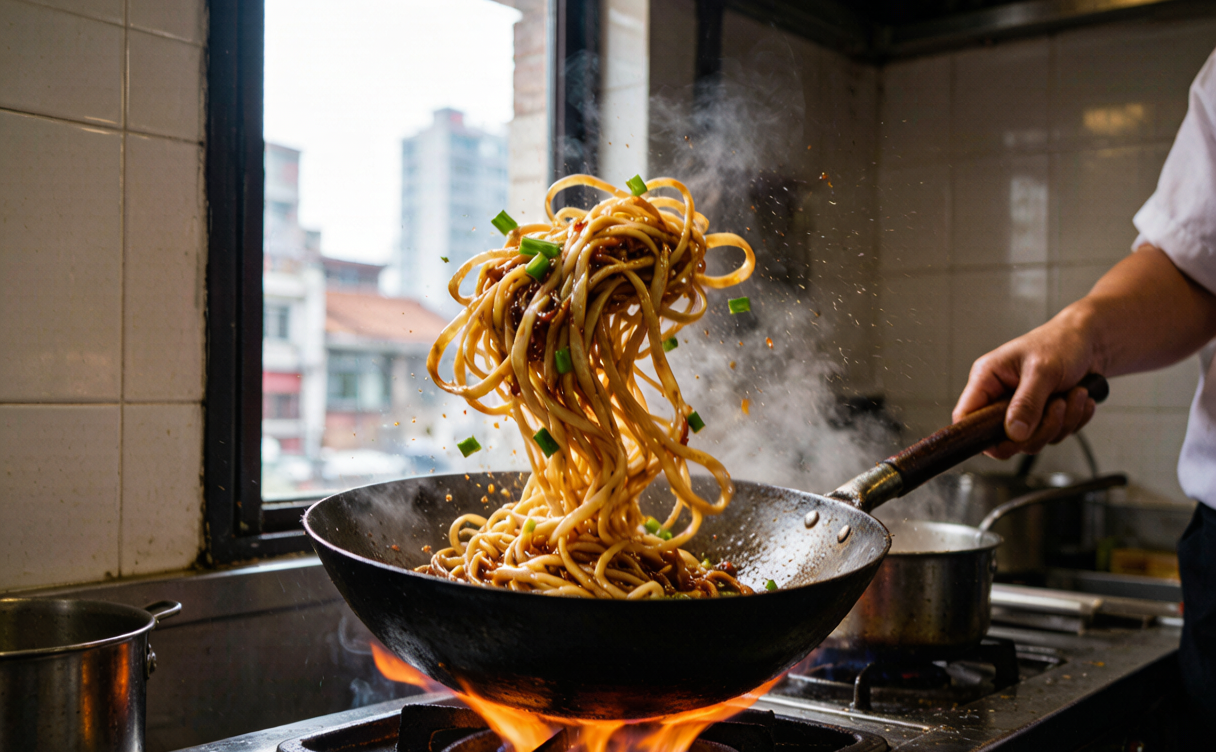
Shanghai food ordering tips for newcomers: don’t try to read the whole menu. Pick one braise such as hongshao rou or braised fish, one quickly fried vegetable, one cold appetizer like drunken chicken or smashed cucumber, and a soup. Ask the staff for the “today’s fresh” and they will point you to what arrived that morning. Portions are built for sharing, so order one dish per person plus a shared braise. Rice is usually extra and worth it for soaking up sauce, and a pot of plain green tea cuts the richness between bites.
Tipping is not expected, and most neighborhood places remain cash-friendly but increasingly run on scan-to-pay with Alipay or WeChat. Keep small bills and a payment app ready before you sit down. Meal times run early by Western standards: locals eat lunch around 11:30 and dinner from 17:30, and the best braises sell out, so arriving before the rush saves you from a second-choice plate.
If you want a curated evening rather than a do-it-yourself crawl, our China Michelin and Black Pearl dining guide lists the Black Pearl-rated Shanghai tables where chefs reinterpret benbang with finer ingredients. It is a different experience from the neighborhood joints, but useful if you want one polished meal on a longer trip without giving up the local flavor profile.
The official Shanghai Tourism site is a handy planning companion for neighborhoods, transit, and seasonal food festivals if you want to time a visit around hairy crab season or a temple fair food stall row.
For travelers who want the food to be the point of the trip, our China food tour guide lays out multi-city routes that put regional kitchens first. Shanghai is an easy and gentle starting city before heading to spicier regions, and benbang makes a calm on-ramp for timid palates.
The French Concession remains the most pleasant hunting ground for both heritage restaurants and quiet lane eateries. Our Shanghai French Concession guide maps the streets where you can walk off a heavy braise between courses, which is its own kind of Shanghai pleasure and a good excuse to linger over a second pot of tea.
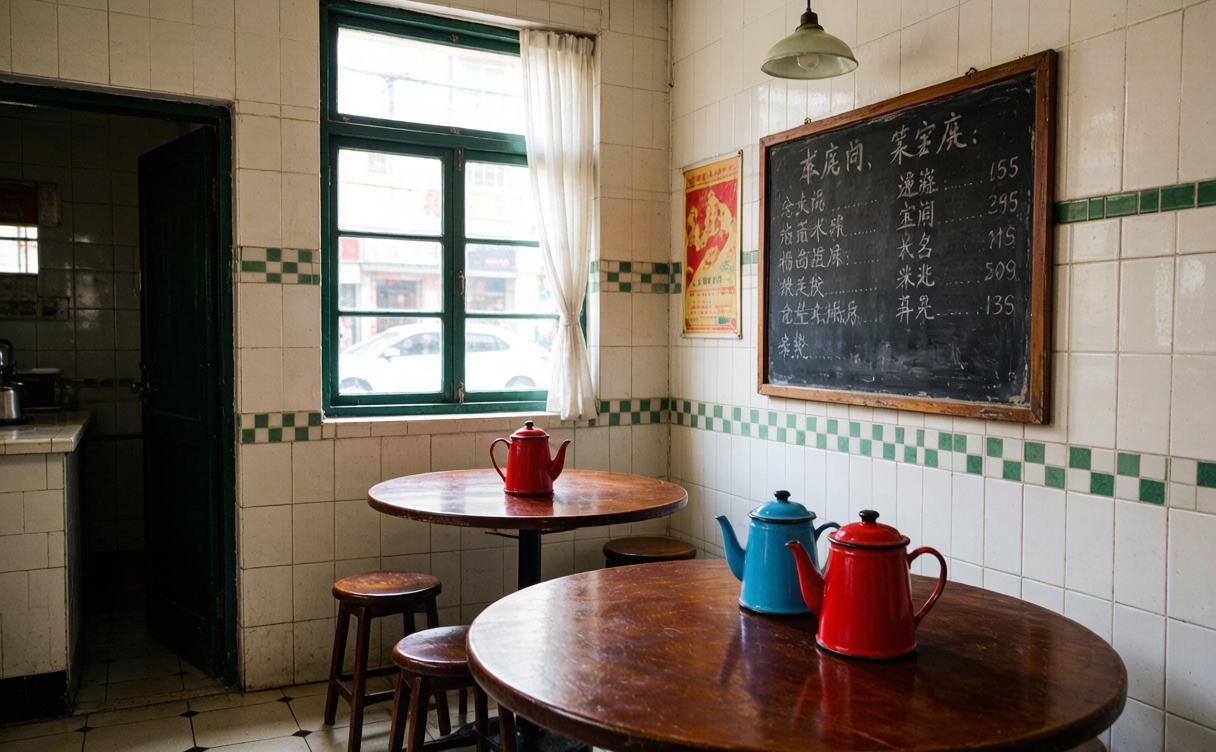
A short note on language: many classic benbang dishes have no English menu, so learning five characters helps — hong for red braise, shao for cook, yu for fish, rou for meat, and su for vegetable. Pointing at the next table’s plate also works remarkably well. Locals are proud of this food and usually happy to recommend their favorite braise, sometimes walking over to show you the picture on their phone.
Season matters in Shanghai cooking. Autumn brings hairy crab and the richest braises; summer lightens toward cold dishes and river shrimp. If your trip lands in October or November, build a meal around crab and ask for the ginger-vinegar dip that comes with it. It is a once-a-year treat worth planning around, and the crab’s sweet meat against the sharp dip is the clearest expression of the benbang balance of sweet and savory.
Finally, benbang is best understood as home cooking that escaped the kitchen. It is not meant to impress with fire and knife work the way some regional cuisines do. It wins you over slowly, with a spoonful of sauce and a second bowl of rice. Give it two meals and you will leave the city ordering hongshao rou by memory, and that is the real souvenir.