

If Shanghai is the city of slow braises, Shanxi is the province of the noodle. Tucked into the loess hills of north China, Shanxi grew up on wheat rather than rice, and its people turned that wheat into one of the most varied noodle cultures on the planet. A good Shanxi noodles guide has to start with a simple truth: locals do not just eat noodles, they argue about them. Every county claims its own shape, its own broth, and its own way of cutting the dough, and a visitor who pays attention will eat something different at every stop.
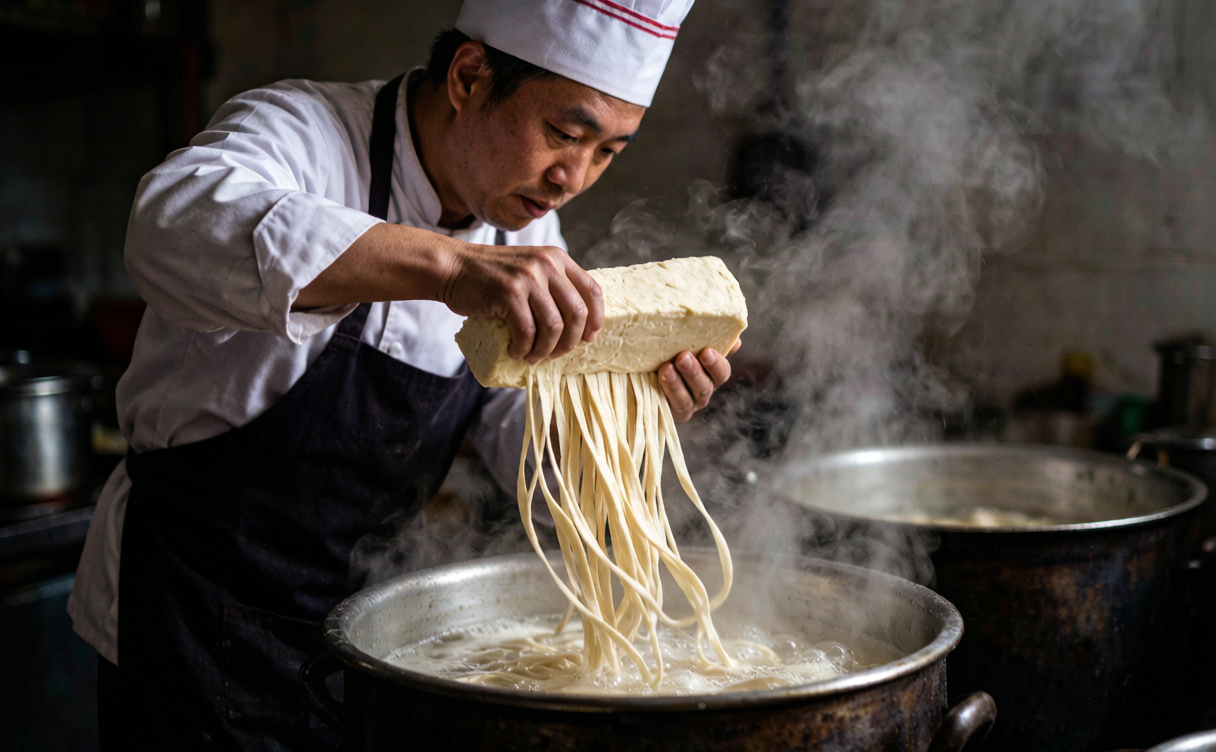
The star of the show is knife cut noodles, or daoxiaomian. A cook holds a lump of firm wheat dough in one hand and a curved blade in the other, shaving ribbons straight into a rolling boil. The pieces come out uneven on purpose: thin at the edge, fat in the middle, with a slightly rough surface that grabs sauce better than any machine-cut strand. Watching it done well is half the fun, and the best versions land in the pot with a rhythm that sounds like rain on a tin roof. If you only try one bowl in the province, make it daoxiaomian with a tomato-egg or braised-pork topping.
But daoxiaomian is only one entry in a long list. The types of Shanxi noodles run into the dozens: cat’s ear (mao’er duo, tiny pinched shells), rubbing noodles (cuo mian, dragged across a board), hanging noodles (kao mian, stretched thin), and the coiled “one-bowl of noodles” that a single piece of dough becomes. Each shape suits a different soup or dressing, and the same cook will switch techniques depending on what is in season. This variety is why a Shanxi noodles guide can never be a single recipe; it is a tour of textures.
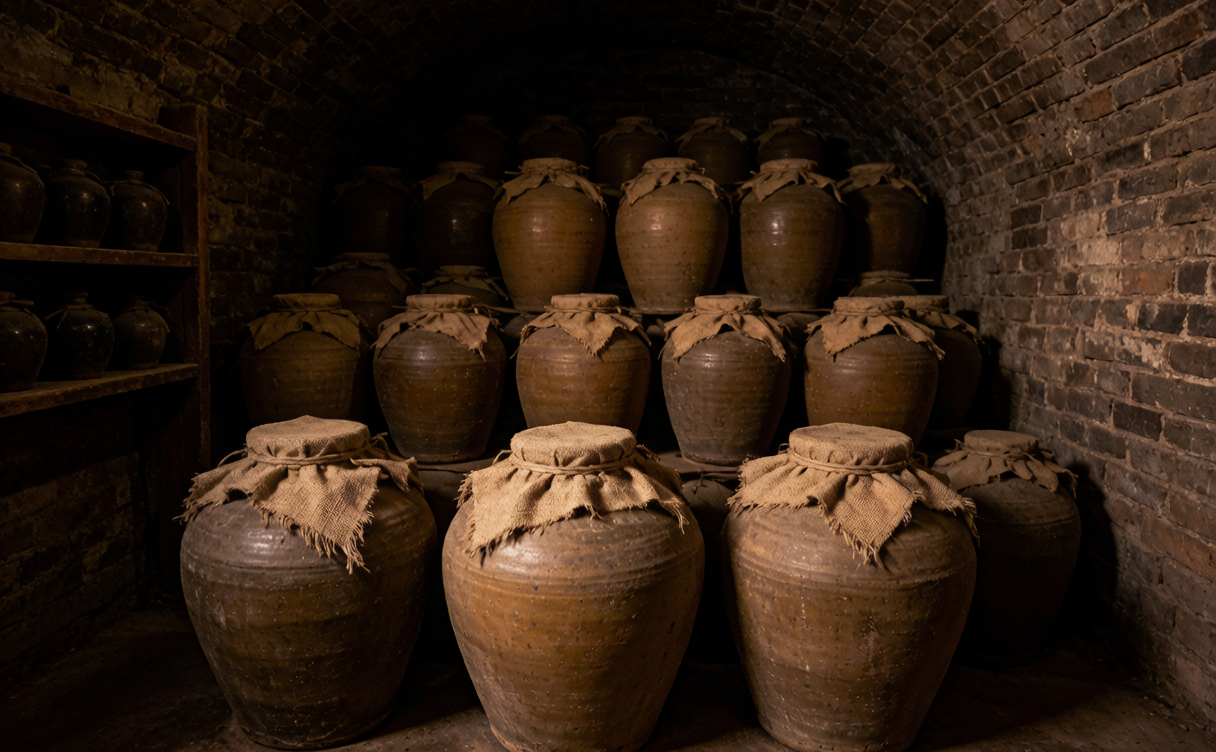
Then there is the other half of the story: Shanxi aged vinegar. The province makes more vinegar than anywhere else in China, and the good stuff is aged in earthen crocks for years until it turns dark, mellow, and almost sweet at the finish. Locals drink a spoon of it in the morning, splash it on everything from dumplings to braised cabbage, and treat a good jar like a family heirloom. A Shanxi aged vinegar tasting is less about acidity for its own sake and more about learning how a few drops can lift a bowl of plain noodles into something memorable.
Taiyuan, the provincial capital, is the easiest place to start your eating. The city’s noodle alleys run thick with small shops where a bowl costs pocket change and the cook has been cutting dough since childhood. For our picks on where to sleep and which streets to walk, see the Taiyuan travel guide, then build a loose loop of noodle stops from there. Taiyuan noodle restaurants worth your time tend to be cramped, loud, and proud, with a picture menu and a tray of vinegars on every table for you to mix your own dip.
If you want history with your lunch, the nearby ancient town of Pingyao is the move. Its Ming-era walls enclose a warren of courtyards where you can eat knife-cut noodles in a converted merchant’s house, then walk the ramparts digesting. Our Pingyao ancient town guide covers the best lanes and the quiet tea houses that break up a day of eating. What to eat in Pingyao comes down to two things: a noon bowl of daoxiaomian and an evening of small plates washed down with warm vinegar.
Farther north, Datong makes a strong case as the province’s most underrated food city, sitting near the knife-shaved noodle heartland and close to the Yungang caves. The Datong travel guide maps the cave visits alongside the morning noodle counters that fuel them. Go early: the best bowls sell out before noon, and the cooks take a long break that leaves latecomers hungry.
For travelers who want the noodle story inside China’s bigger picture, our Chinese food guide to the eight cuisines places Shanxi’s wheat belt alongside the neighboring Shaanxi and Henan traditions so you can taste the family resemblance. Shanxi is not one of the eight great cuisines by name, but its noodle craft is the root system beneath a huge slice of northern Chinese eating.
Vinegar deserves a closer look because most visitors misuse it. The cheap tourist bottles are harsh and one-note; the aged village vinegar is round, with a smoky depth that lingers. At a tasting you will learn to tell the age by color and aroma, and you will likely leave with a small clay jug in your bag. Pour a little over cold noodles, mix it with crushed garlic and a drop of sesame oil, and you have the province’s favorite summer dressing. It is the kind of simple thing you will try to recreate at home and fail, because the wheat and the weather here are part of the recipe.
Ordering is easy once you know the shorthand. Point at a shape on the menu, then choose a topping: braised pork, tomato and egg, or sour-vegetable. Noodles are eaten hot and fast, standing or at a low stool, and nobody expects you to linger. If you want dumplings as a break from noodles, our China dumpling guide explains the regional folds and fillings you will meet on the same trip, because Shanxi dumplings dipped in local vinegar are a lesson in themselves.
Mornings belong to a different routine. A Shanxi breakfast is often a small bowl of noodles or a stuffed bun washed down with millet porridge, and the China breakfast guide walks through the street stalls where the day starts early and ends quick. Catch a morning counter before eight and you will eat with the workers and students who keep the province moving.
A word on etiquette that saves embarrassment: do not ask for the noodles to be “well done” or soft, because the point is the chew. Slurping is fine and expected, and adding your own vinegar from the table jug is not rude, it is the whole point. Watch what the regulars do, copy the old man at the next stool, and you will fit in faster than any phrasebook allows.
Pingyao rewards a slow evening more than a rushed afternoon. After the day-trippers leave, the lanterns come on and the noodle shops fill with locals who know the cook by name. What to eat in Pingyao after dark is simple: a smaller bowl than at noon, a plate of vinegar-glazed peanuts, and a walk on the empty main street. It is the kind of meal that justifies the train ride from Beijing on its own.
The ancient city of Pingyao is recognized by UNESCO as a World Heritage site for its remarkably preserved Ming and Qing architecture, which makes eating there feel like stepping into a working museum where the kitchen never closed.