

Stretching across the borders of Anhui, Hubei, and Henan provinces in central China, the Dabie Mountains form one of the country’s most underrated yet rewarding travel destinations. This rugged range is famous for its revolutionary heritage, dense forests, plunging waterfalls, and some of the most dazzling autumn foliage in the region. Whether you are a hiker chasing ridgeline views or a history lover tracing the roots of modern China, this dabie mountains guide will help you plan a trip that balances scenery and culture.
Discover more handpicked China travel guides to build the perfect trip across the country.
When to Visit the Dabie Mountains
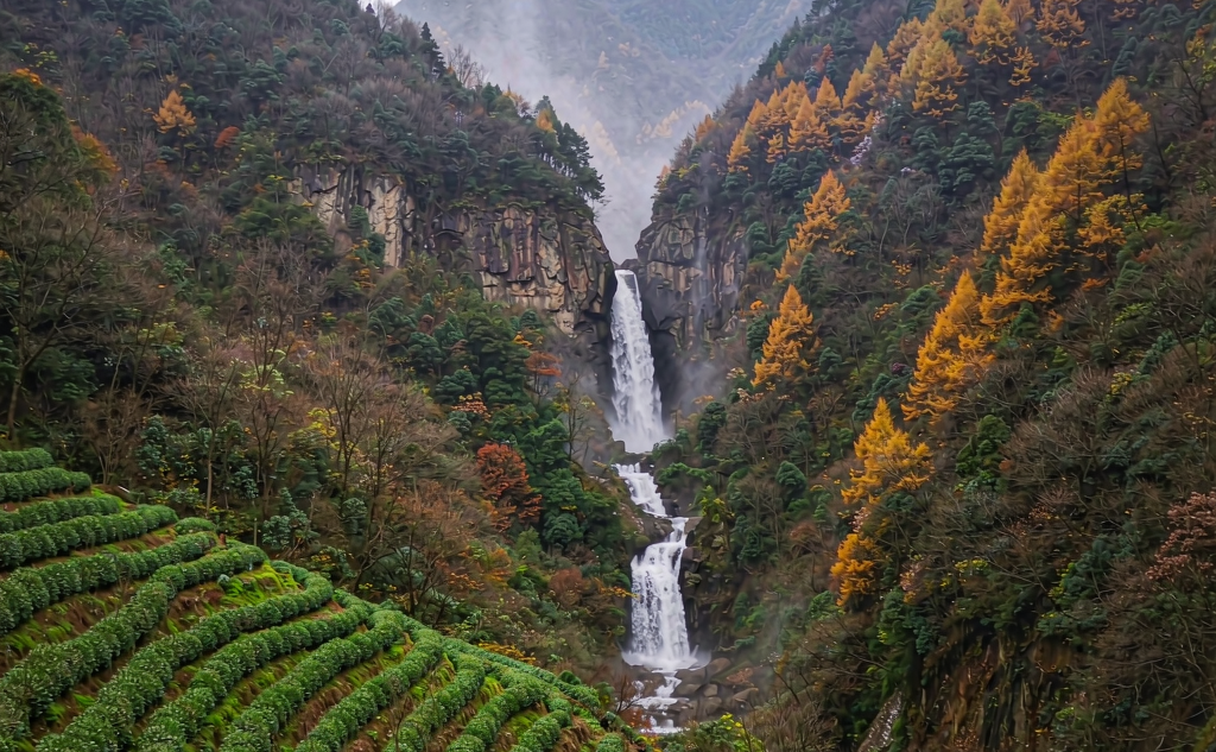
The best time to explore the Dabie Mountains depends entirely on what you want to experience. Autumn, from late October to mid-November, paints the slopes in fiery reds, oranges, and golds that rival any famous leaf-peeping destination. Spring brings mild temperatures, fresh greenery, and blooming wildflowers across the valleys and terraces.
Summer is the local favorite for escaping the heat of the plains, with cooler air and misty peaks that feel worlds away from the cities. Winter sees few visitors but rewards the hardy with frosted pines and quiet trails, though some cable cars and guesthouses close. For the classic postcard scenery, plan your dabie mountains travel around the first two weeks of November.
Local harvest festivals in late autumn are another reason to time your trip carefully, as villages celebrate the chestnut and tea harvests with small markets and folk performances. If you want empty trails and the best light for photography, aim for a weekday in the shoulder seasons rather than a national holiday. Crowds peak during the October Golden Week, when even minor trails can feel busy and guesthouses book out weeks ahead.
How to Get There
The range is long and spread out, so your starting point depends on which section you want to explore. Most international travelers fly into Wuhan, Hefei, or Zhengzhou, then transfer by high-speed train or long-distance bus to gateway towns. From Hefei in Anhui, buses and trains reach the Lu’an area in roughly two to three hours, making it the most convenient base for the eastern peaks.
Wuhan is the best launch point for the Hubei side, including the popular Tiantangzhai scenic area. If you are already touring nearby peaks, you can combine this region with a visit to Huangshan Yellow Mountain guide for a dramatic contrast in landscapes. Within the mountains, local minibuses and hired drivers are the most practical way to reach trailheads.
The Henan side, centered on Xinyan and the Jigong Mountain area, is the quietest gateway and appeals to travelers who prefer fewer tour groups. Trains from Zhengzhou or Wuhan reach Xinyang in a few hours, and from there a short bus ride delivers you to the foothills. No matter which province you choose, building a flexible dabie mountains guide around one base town saves time wasted on long transfers between distant trailheads.
Top Hikes and Viewpoints
Tiantangzhai: The Roof of the Dabie Mountains
Tiantangzhai sits on the Anhui-Hubei border and is widely considered the highest and most scenic summit of the range. A cable car saves your legs for the final ridge walk, where boardwalks lead past razor-edge cliffs and the famous “one-line sky” rock formation. On clear days, the panorama spans three provinces, and the sea of clouds at sunrise is unforgettable.
White Horse Peak and the Waterfall Trail
The White Horse Peak area is the heart of dabie mountains hiking for most day visitors, combining forest paths with a chain of cascading waterfalls. The trail is well maintained, with stone steps and railings in the steeper sections, so it suits confident beginners as well as seasoned trekkers. Bring waterproof shoes in the wet season, as the spray from the lower falls soaks the walkway.
The Eastern Ridgelines
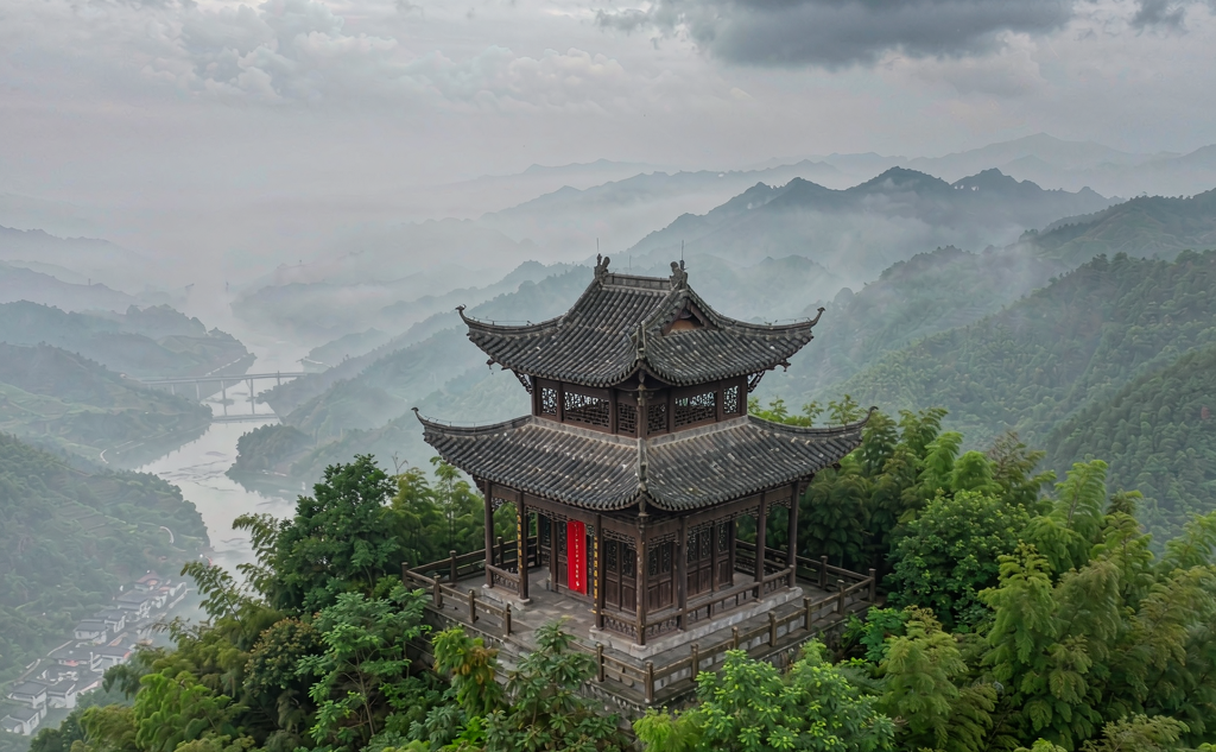
For those wanting solitude, the eastern ridges above small villages offer multi-hour hikes with almost no crowds. These routes connect tea terraces, bamboo groves, and abandoned revolutionary-era sites that few tour groups reach. A local guide is recommended here, both for navigation and for the stories behind each landmark.
Red History and Revolutionary Sites
The Dabie Mountains are often called the cradle of China’s revolution, and the legacy is everywhere you look. This is where some of the earliest rural Soviet bases were established, and museums across the region preserve that turbulent past with photographs, weapons, and personal letters. The spirit of the “Dabie Mountains spirit” is taught in schools and celebrated in local opera.
Key sites include the revolutionary memorial halls in Jinzhai and Hong’an, two counties that supplied a remarkable number of military leaders. Walking these quiet villages today, it is striking how ordinary the landscapes look compared with the extraordinary history they witnessed. Pairing the history with nature makes a dabie mountains guide feel complete, since the two are inseparable here.
Many of the museums are free to enter and labeled with English summaries, which makes them accessible even if you arrive without a guide. The old supply routes and field hospitals carved into the hillsides are now short, signposted walks that combine gentle exercise with storytelling. Spending a morning on this red tourism circuit gives real context to the peaks you hike in the afternoon.
Villages, Culture, and Local Life
Beyond the peaks, the mountain villages are where the trip truly comes alive. Stone houses with slate roofs cling to hillsides, and elders still dry chili, chestnuts, and herbs on woven mats outside their doors. Staying overnight in a guesthouse lets you hear the forests at night and catch the morning fog rolling through the valleys.
Food is a highlight you should not skip. The cuisine leans rustic and hearty, built around mountain vegetables, free-range chicken, freshwater fish, and foraged mushrooms. If you enjoy regional cooking, our Anhui Hui cuisine guide explains the broader culinary traditions that shape dishes you will taste here. A simple farmhouse hotpot after a long hike is one of the best meals you can have in central China.
Markets in the valley towns sell dried mountain herbs, sweet potatoes, and homemade tofu that make great souvenirs or trail snacks. Around the guesthouses you will often find families pressing tea or roasting chestnuts over open fires in the evening. These small, unscripted moments are what separate a real dabie mountains hiking trip from a quick photo stop at a famous summit.
Browse our full collection of China destination guides to match the Dabie Mountains with your next adventure.
Suggested Itineraries
Two-Day Highlights Trip
Arrive on day one and ride the cable car up Tiantangzhai, then spend the afternoon on the waterfall trail and overnight in a village guesthouse. Day two is for a revolutionary site in the morning followed by a slow drive out through the terraced valleys. This relaxed pace keeps things covering the essentials without rushing.
Four-Day Deep Dive
With four days, add the eastern ridgelines, a tea-terrace walk, and a side trip to a second summit on the Hubei side. You can also link this region with Tianzhu Mountain Anhui guide or the Mount Jiuhua Anhui guide if your schedule allows a longer loop. Travelers interested in sacred peaks often combine the area with the Wudang Mountain guide for a fuller central-China mountain journey.
Where to Stay in the Dabie Mountains
Accommodation ranges from basic village homestays to larger hotel complexes near the main scenic gates. The homestays are the better choice for atmosphere, with wood-fired heating, home cooking, and hosts who can point you to unofficial trails. Hotel complexes near Tiantangzhai offer more comfort and early cable car access but feel removed from local life.
If you want to extend your mountain loop, the Jingting Mountain Anhui guide covers another peaceful range within easy reach of this region. Booking ahead matters most in autumn, when leaf-peepers fill the best rooms and prices climb on weekends. For the deepest quiet, stay in a smaller village two valleys away from the headline summit and commute in by local bus or hired car.
Practical Tips for Your Visit
Pack in layers, because mountain weather shifts fast and mornings are cold even when afternoons are warm. Comfortable hiking shoes, a rain shell, and a refillable bottle will serve you well on every trail. Cash is still useful in remote villages where card readers and mobile pay can fail.
Try to visit on a weekday if possible, since domestic holiday weekends bring heavy crowds to the main cable car and ticket gates. Hiring a local driver for the day costs little and removes the stress of figuring out rural bus timing. For background on the region’s geography and history, the Dabie Mountains on Wikipedia is a solid external reference to read before you go.
Final Thoughts
The Dabie Mountains reward travelers who step off the well-trodden path of China’s headline peaks. You get sweeping ridgeline hikes, deep revolutionary history, and autumn color that stops you in your tracks, all without the crowds of the famous ranges. With this dabie mountains travel plan in hand, you are ready to explore one of central China’s finest hidden corners.
Keep exploring our China travel guides to plan every stop on your central China route.