

When travelers think of Anhui’s mountains, Huangshan usually wins the spotlight. But three hours southwest, a quieter giant rises from the mist: Tianzhu Mountain Anhui (also spelled Tianzhushan). Its name means “Pillar of Heaven,” and the nickname fits — a single colossal granite spire stands at the heart of the range like a natural monument. For visitors who want Huangshan-style drama without Huangshan’s queues, Tianzhu is the smart alternative.
This guide covers how to reach the mountain, the cable car, a sensible hiking route, and how it compares with its famous neighbor.
What Makes Tianzhu Mountain Special
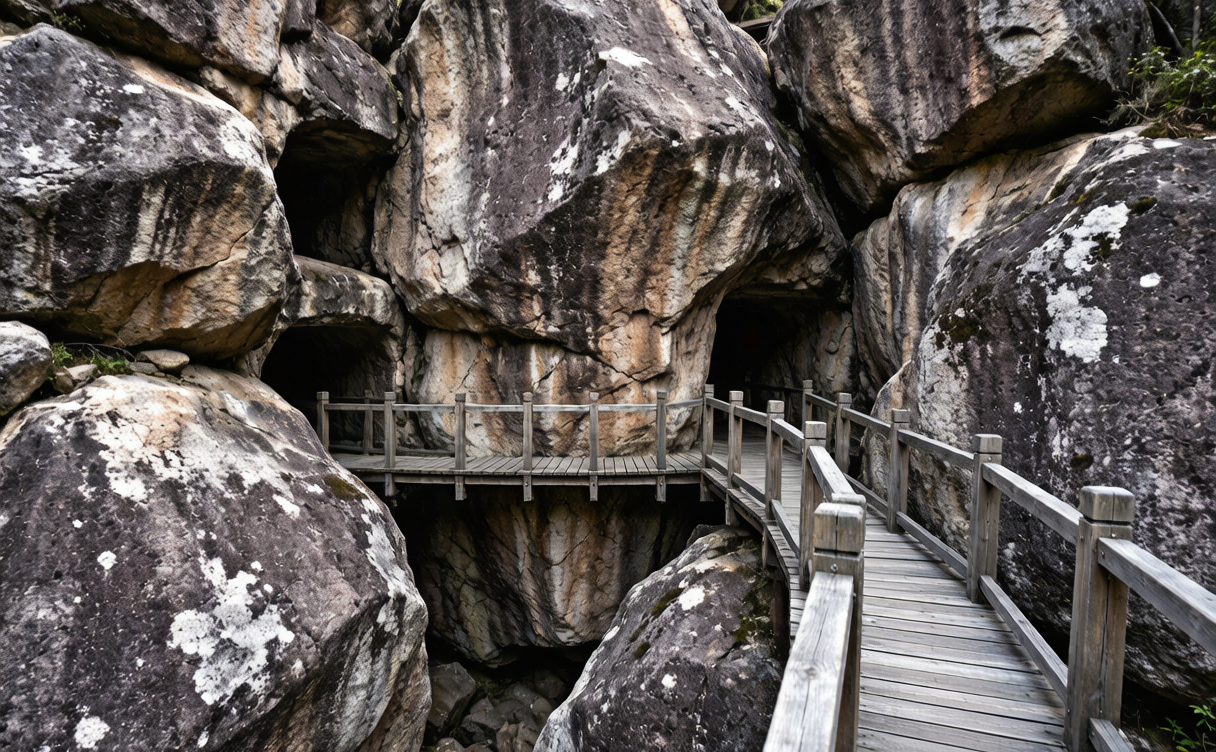
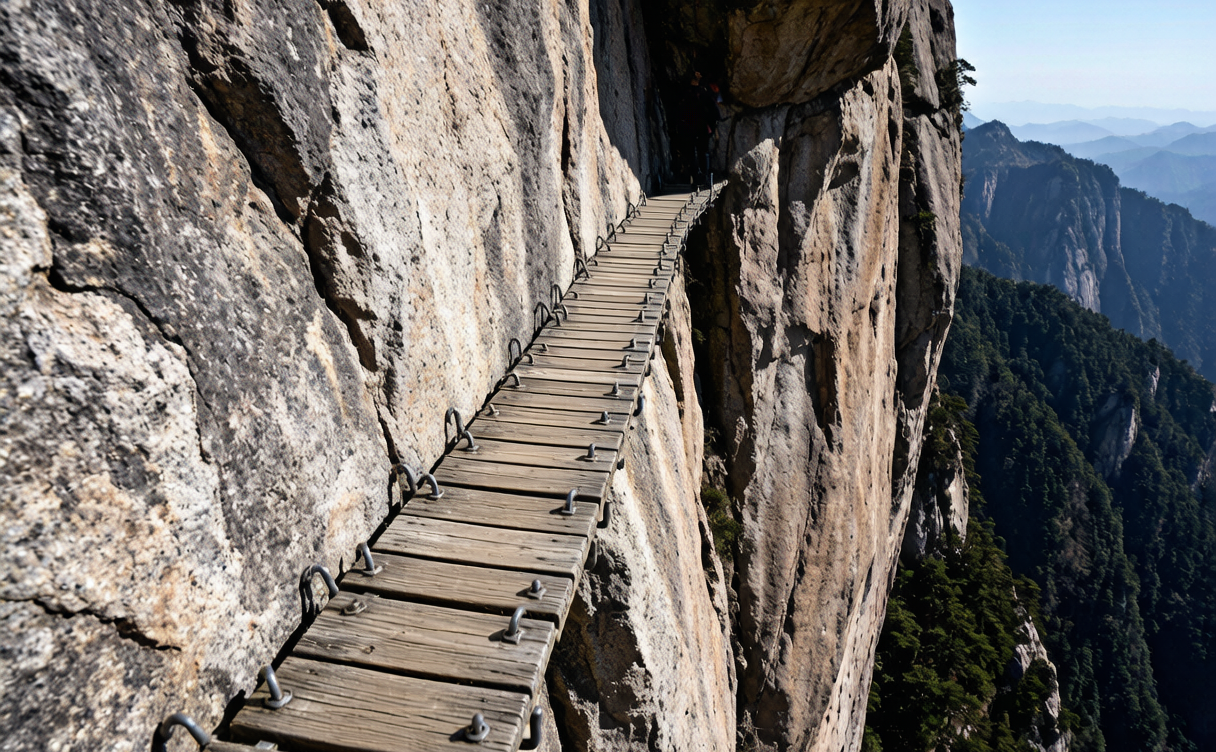
Tianzhu is a granite massif, geologically akin to Huangshan but less commercialized. The highlights are its isolated stone pillars, suspended plank walkways bolted to cliff faces, and fields of house-sized boulders that form natural caves and tunnels. On a clear dawn the main peak pokes above a sea of cloud while wind-bent pines cling to the lower crags — a scene that rivals any postcard in the province.
Because it is less known internationally, you can often have a viewpoint to yourself, and the ticket lines move fast. That calm is the mountain’s real selling point.
How to Get to Tianzhushan
For how to get to Tianzhushan, the gateway town is Qianshan (in Anqing prefecture), reached by high-speed rail:
- By train: high-speed trains run from Hefei or Nanjing to Qianshan Station (Anqing direction). From the station, a taxi or local bus reaches the scenic area entrance in about 30–40 minutes.
- From Huangshan or Hangzhou: connections usually route through Hefei or Anqing; budget a half-day of travel.
- From Nanjing: a direct or one-transfer high-speed trip gets you close in 2–3 hours — see our Nanjing travel guide for the rail hub logistics.
- Tip: show “天柱山” (Tiānzhù Shān) to drivers. The entrance area has hotels and a small food street.
Tianzhu Mountain Cable Car
The Tianzhu Mountain cable car is the easiest way to gain altitude. Two cableways serve different sides of the range; the main one lifts you from near the entrance toward the mid-mountain terrace, cutting the hardest climbing out of the day.
- One-way: roughly ¥40–¥80 depending on the section; round trip costs more.
- Use it up: most visitors ride up and walk down, or ride both ways if short on time.
- Hours: the cable car usually stops by late afternoon, so start early.
- Note: even with the cable car, you will still walk steep steps and cliff planks — this is a real mountain, not a viewpoint patio.
Tianzhushan Hiking Route
A good Tianzhushan hiking route for first-timers:
1. Take the cable car to the upper station.
2. Walk the boulder field — a fun scramble through giant granite blocks with plank paths threading the gaps.
3. Follow the cliff-edge plank walkway to the main-pillar viewpoint; do not rush, the railings are solid but the drop is real.
4. Climb toward the Tianzhu summit area for the cloud-sea panorama, then return the same way or descend by the secondary trail.
Plan 4–6 hours round trip. The paths are paved or planked and signed in Chinese; English signage is improving but limited. Wear proper shoes and carry water — there are vendors but at a premium.
Tianzhu Mountain vs Huangshan
The Tianzhu Mountain vs Huangshan question comes up constantly, so here is the honest comparison:
- Crowds: Huangshan is world-famous and busy year-round; Tianzhu is tranquil, especially on weekdays.
- Scenery: both have granite peaks and cloud seas, but Huangshan’s are more varied and iconic. Tianzhu’s single pillar is unforgettable but the range is smaller.
- Access: Huangshan has more international flights and tour infrastructure; Tianzhu requires a rail transfer but rewards you with quiet.
- Cost and time: Tianzhu is cheaper and faster to explore in a day; Huangshan deserves two.
If you have time for only one Anhui mountain, Huangshan wins for first-timers. If you have already done Huangshan or hate crowds, Tianzhu is the better story.
Where to Stay and Eat
The base town of Qianshan has the widest choice of hotels, from budget chains to a few comfortable four-star properties, all an easy taxi ride from the park gate. For an early start, though, the guesthouses just outside the entrance are better — you can be on the first cable car within minutes of waking. Dinner options are simple: Anhui cuisine is hearty and slightly sweet, built around river fish, bamboo shoots, and the local “stinky” fermented tofu that locals love and newcomers sniff at cautiously. A hot pot or noodle shop covers most evenings. Book the gate-side stays through your Nanjing or Hefei hotel if the Chinese apps are awkward, and confirm breakfast times, since the mountain kitchen opens early.
Photography and Safety on the Cliffs
Tianzhu rewards patient photographers. The classic frame is the pillar at first light with cloud streaming past its base; a telephoto lens compresses the granite and the mist into one dramatic layer. The boulder field, with its natural caves and plank paths, makes moody wide shots on overcast days. For safety, stay on the railings at the cliff walkways — the drops are real and the plank edges can be slick. Begin the descent by mid-afternoon so you do not miss the last cable car, and tell someone your route if you wander the secondary trails. The mountain patrols the main loops, but self-responsibility matters on the quieter paths.
Best Time to Visit Tianzhu Mountain
The best time to visit Tianzhu Mountain is spring (April–May) for fresh green and wildflowers, and autumn (October–November) for clear skies and the best chance of a cloud sea at dawn. Summer is green but hot and prone to afternoon storms; winter is cold, sometimes snowy, and beautifully empty.
Aim for a clear morning after a cool night — that is when the pillar rises above the mist. Avoid Golden Week in early October if you want solitude.
Planning Around Tianzhu
Tianzhu sits in a rich corner of Anhui. The obvious pairing is Huangshan itself, covered in our Huangshan Yellow Mountain guide, and the nearby Hongcun ancient village offers the classic Hui-style architecture shot. For a spiritual angle, the Mount Jiuhua Anhui guide covers one of China’s four sacred Buddhist mountains.
Hikers will find Tianzhu listed among our favorite walks in the China hiking treks guide, and the China national parks guide places it in the context of Anhui’s protected granite ranges.
Tips for Foreign Visitors
- Buy train tickets ahead on Trip.com or 12306; the Qianshan station name matters.
- Stay the night before if you want sunrise — the first cable car is early.
- Mobile pay dominates; carry some cash.
- The mountain is safe and well maintained, but the cliff planks demand a head for heights.
- Weather changes fast above the treeline, so check the morning forecast and turn back if storms build. A local guide is optional but handy if your Chinese is limited and you want the side trails explained.
Sources
Park status: Anhui Province Department of Culture and Tourism (Anhui, China).