

We first sent travelers to Yuexi (岳西县) as a quiet backup plan when Huangshan tickets sold out for the October holiday, and it has since become one of our favorite recommendations for people who want real mountain air without the cable-car queues. Yuexi is a county in Anqing prefecture, tucked into the spine of the Dabie Mountains along the Anhui–Hubei border, with an average elevation around 1,000 meters. Its headline sight is Tianxia Gorge (天峡风景区), a deep, wet canyon of waterfalls and plank walks that stays 8 to 10 degrees cooler than the Yangtze plain below. This Yuexi Anhui travel guide is built from a May 2025 visit, with the prices, buses, and trails we actually used, written for travelers who want a forested gorge plus a hot-spring evening rather than another crowded summit.
How to get to Yuexi
Yuexi has no train station of its own, which is precisely why it stays calm. The practical rail gateway is Qianshan (潜山) Station, the same stop used for Tianzhu Mountain, about 1 hour 40 minutes from Hefei by high-speed train (second class RMB 90 to 130). From Qianshan you take a county bus or DiDi the remaining 50 to 70 minutes into Yuexi town; the bus runs roughly every 40 minutes and costs RMB 22 to 30. If you are already in Anqing, the Anqing travel guide lays out the river-city stop, and from there a direct coach to Yuexi takes about 2.5 hours (RMB 55 to 70). Flying in is easiest via Hefei; our Hefei travel guide covers the airport and the first train out, because Hefei is where almost every Yuexi trip begins.
For the booking side of things, our China high-speed train guide for foreigners explains the ID and app steps, and I used it to lock in the Qianshan seat the night before. The last stretch is always a road transfer, so build a buffer: the mountain road winds, and a driver who knows the gorge shortcut saves you twenty minutes. In our experience, arriving in Yuexi by early afternoon beats arriving at dusk, because the gorge ticket office closes around 17:00 and the light fades fast behind the ridges.
Best time to visit Yuexi
The short answer for the best time to visit Yuexi is late April through May for the rhododendron bloom, or July and August if you want to escape the heat. Spring brings wild azaleas across the canyon walls, and the streams run full from melted snow. Summer daytime highs sit around 22 to 26°C in the gorge while Hefei bakes above 35°C, which is why locals call it a “natural air conditioner.” Autumn (October to early November) is our pick for clear skies and red-leaf maple along the plank road; winter is quiet and cold, with occasional ice on the higher falls.
Our best time to visit China guide sets the national windows if you are stacking Yuexi with Sichuan or Hubei, and it steered us to May, when the water was high and the crowds were thin. Avoid the first week of October if you can; the gorge gets busy with Anhui holiday traffic, and the glass bridge forms a slow line. If you want the full national picture of where else to go in shoulder season, best things to do in China is worth a look before you commit the dates.
Tianxia Gorge: the main event
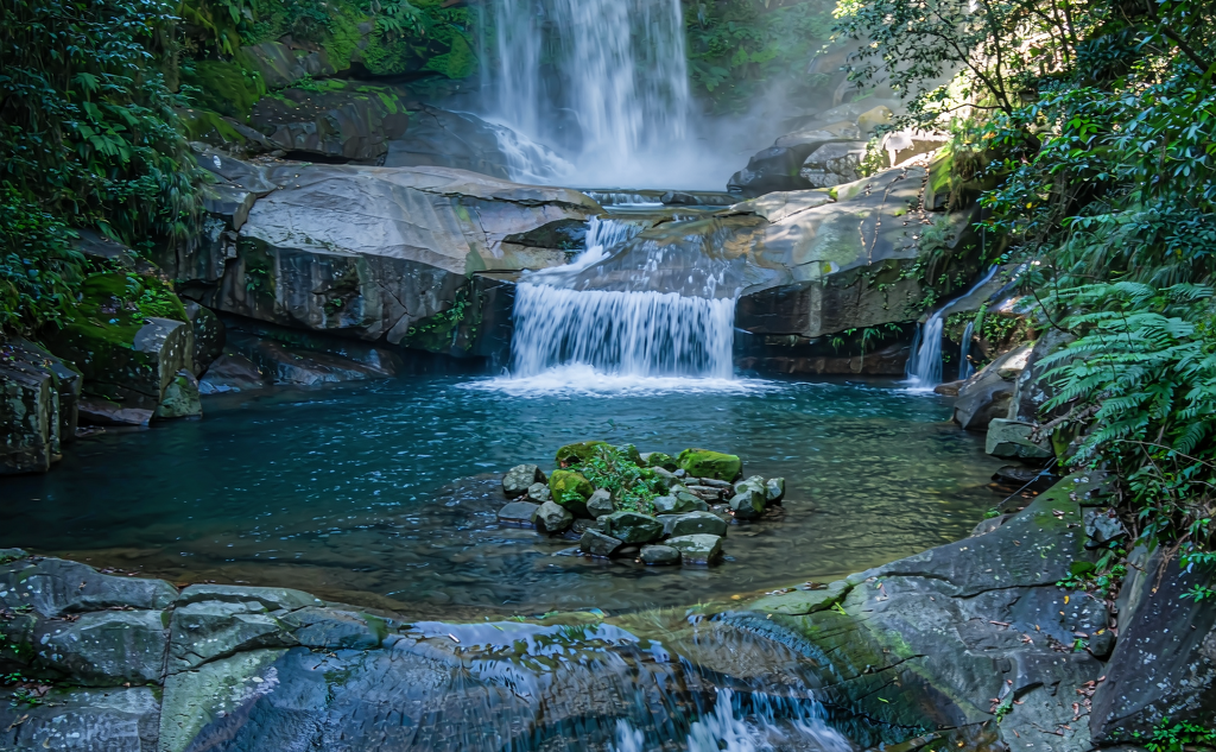
Tianxia gorge Yuexi is the reason most people make the trip. The scenic area is a narrow limestone canyon about 4 kilometers long, with a boardwalk that follows the stream past more than a dozen named waterfalls, the tallest being the Tianxia Waterfall at roughly 120 meters. In 2025 the gate ticket was RMB 100 in peak season and RMB 80 off-season, with the glass skywalk and a short slide adding about RMB 50 combined if you want them. I walked the lower loop in about two hours and the full canyon in four, including photo stops. The path is well built with railings, but it is wet and slippery after rain, so trail shoes beat sneakers.
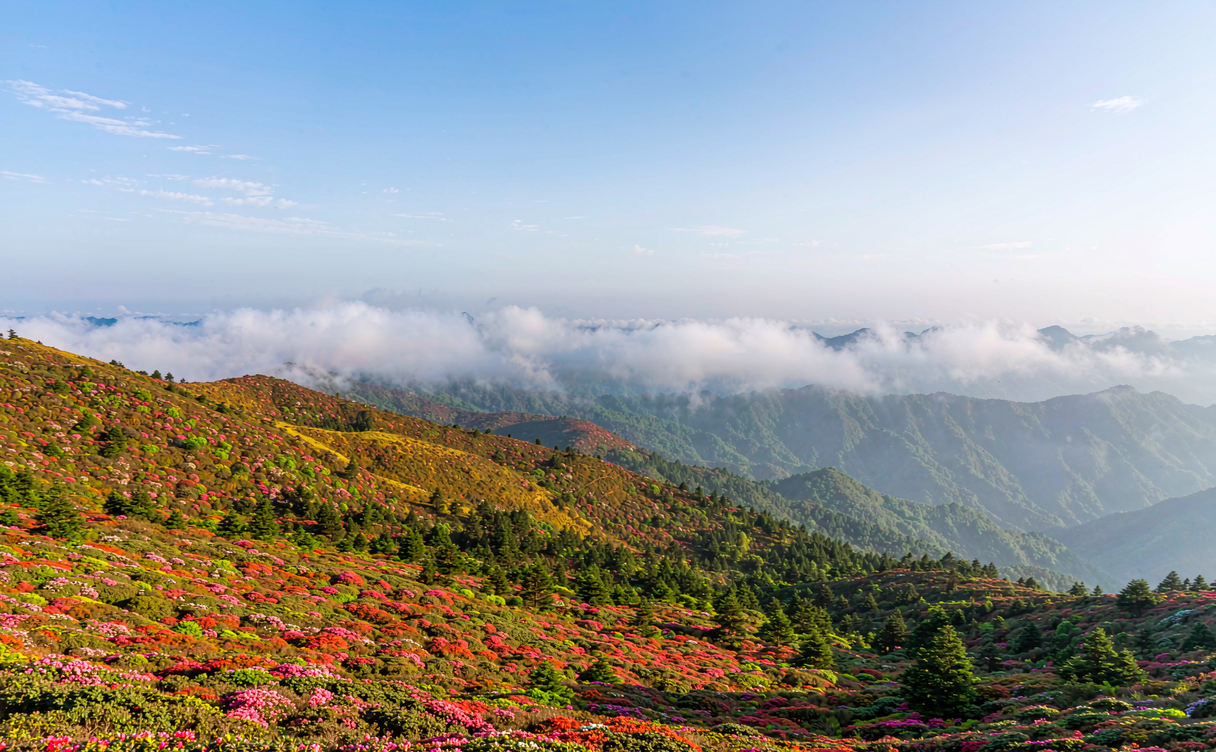
What we liked most was the sound: the gorge is a constant rush of water, and because it is shaded, it stays cool even at noon. The upper section opens into a meadow with a viewing platform over the Dabie ridgeline, and that is where the Yuexi Dabie Mountains scenery earns its reputation — rolling green peaks with no building in sight. We have sent travelers here who were recovering from city fatigue, and every one came back saying the quiet was the point. Bring a light rain jacket regardless of forecast; the canyon makes its own microclimate, and a shower rolled through both afternoons we were there.
More things to do in Yuexi
Beyond the gorge, things to do in Yuexi spread across the same mountain range. Mingtang Mountain (明堂山), about 40 minutes from the county town, is a higher, airier hike with a cliff-edge walkway and a sunrise viewpoint over a sea of clouds; the ticket was RMB 80 to 100, and a cable car (RMB 70 one way) spares the steep lower climb. We did Mingtang as a dawn trip and reached the top for first light, which is the move if you want photos without the haze. The Dabie Mountain main peak area, Baimajian (白马尖, 1,776 m), touches Yuexi’s southern edge, and serious hikers use Yuexi as a base for a two-day traverse, though that needs a local guide and a guesthouse booking up top.
For a slower day, the county town has a low-key morning market where farmers sell high-mountain vegetables, wild fungus, and the local medicinal roots — poria (茯苓) and gastrodia (天麻) — that grow on these slopes. The China travel guide for first-timers has the payment and SIM notes that make a market morning easy, because you will be scanning QR codes for breakfast, not handing over cash. Yuexi’s hot springs are the evening reward: Tianyuewan (天悦湾) and the smaller Shennong pools sit at the foot of the hills, with outdoor spring tickets around RMB 120 to 168 for a public pool session, and private wooden tubs in the resort from RMB 300. After a day on the plank walk, the hot water is the best part of the trip.
Where to eat and stay
Yuexi food is honest mountain cooking: Yuexi black pork (岳西黑猪) braised with chestnuts, cured bacon with dried bamboo, river fish from the gorge streams, and plates of wild greens that taste like the forest. A full local dinner for two ran RMB 120 to 200 at the small restaurants near the bus station, and a bowl of naan-like 高粱粑 or a steamed bun breakfast was under RMB 10. The mountain fungus and tea make goodtake-home buys; loose green tea from the slopes was RMB 40 to 80 a bag at the market.
Stay options are simple but enough. A clean county-town hotel was RMB 150 to 280 a night in 2025, and the hot-spring resorts run RMB 400 to 700 with a room-plus-pool package. If you want to be first on the Mingtang trail, sleep in the village at the gorge mouth (RMB 120 to 200) and let the host cook you breakfast. We book through Ctrip and pay with Alipay; rural guesthouses often prefer WeChat, so keep both apps ready.
A practical Yuexi itinerary
Here is the three-day plan we used. Day one: train to Qianshan, transfer to Yuexi, settle in, hot-spring evening. Day two: full day at Tianxia Gorge, lower loop then upper meadow, back for a bacon-and-bamboo dinner. Day three: dawn hike on Mingtang Mountain, market breakfast, coach or train onward. Two days works if you drop Mingtang and spend longer in the gorge. Total spend was about RMB 900 to 1,200 a person excluding the intercity train, which is a bargain for a mountain-and-spring stop.
The Dabie Mountains themselves are covered in background at Wikipedia’s Dabie Mountains page if you want the geology and the wartime history before you go; the ridge line you see from the gorge meadow is the watershed between the Yangtze and Huai river systems.
Riding the train in? Book the Qianshan seat the night before and pre-arrange a DiDi to Yuexi, because the last bus up the mountain leaves mid-afternoon.
Getting around and final tips
Inside Yuexi, DiDi and the county buses cover the town and the gorge road, but for Mingtang and the main-peak trail a hired car (RMB 200 to 300 a day) is the relaxed choice. Carry cash for the smallest village stalls, download offline maps because signal dips in the canyon, and pack a layer even in summer — the top of Mingtang was 12 degrees colder than the town when we were there. Yuexi rewards travelers who slow down: a gorge, a hot spring, a quiet market, and no queue at the cable car.
Want a cooler, cheaper alternative to Huangshan? Use Yuexi as your Dabie base and pair the gorge with a Mingtang sunrise rather than fighting the summit crowds.
If you are building an Anhui loop, Yuexi slots neatly between the river city and the peaks, and our China travel guide for first-timers ties the transport together so the mountain transfer feels simple rather than stressful.
Planning a longer Anhui trip? Read our other China guides to string Yuexi into a full mountain-and-river route before you book your trains.