

Hefei, the capital of Anhui Province in eastern China, is the city most foreign travelers skip on their way between Shanghai and Huangshan. That is a real mistake. This fast-modernizing city sits on the fertile Jianghuai plain between the Yangtze and Huai rivers and works as a relaxed base for Chaohu, one of China’s five largest freshwater lakes, plus a cluster of rewarding historical sights. A good Hefei travel guide should give you at least two full days for the lakeside parks, the famous Bao Zheng memorial, and some of the best Hui cuisine you will find outside the mountain villages of southern Anhui. This page collects the practical facts you need before you go: how to arrive, when to come, what to see, where to eat, and how to build a sensible itinerary.
Why Visit Hefei
Hefei is a transport hub first and a sightseeing stop second, but the city rewards anyone who slows down for a day or two. The name means “two rivers meet,” and the settlement has been a regional center for more than two thousand years. Today it is famous for science parks and electric-vehicle factories, yet its old heart still keeps temples, classical gardens, and the hometown of Bao Zheng, the Song-dynasty judge celebrated in Chinese opera for refusing to bend the law for anyone. If you are planning a wider Anhui route, Hefei is the logical place to start before heading south to the Chaohu Lake guide or riding the rail east to the Nanjing travel guide.
How to Get to Hefei
Hefei has two main rail stations, and knowing which one matters. Hefei South Railway Station is the high-speed hub and the one you will use for almost every intercity trip. Hefei Railway Station in the north handles a few conventional trains but is less useful for visitors. High-speed services from Shanghai take about three hours, from Nanjing roughly one hour, and from Hangzhou around two and a half hours. The city also lies on the Beijing-Hong Kong high-speed line, so reaching Wuhan or further south is simple. If you are arriving from another province and have not booked Chinese rail before, read our China high-speed train guide for foreigners first, because ID rules and seat classes differ from European or American rail. The airport, Hefei Xinqiao International, runs flights from major Chinese cities and a handful of international routes; a metro line plus airport bus put you in the center in about forty minutes. Within the city, two metro lines cross the core and reach both rail hubs, while DiDi and the Alipay transport mini-program cover the rest.
Best Time to Visit Hefei
Spring from April to May and autumn from September to November are the most comfortable windows, with mild temperatures and manageable humidity. Summers are hot and sticky, often above 35 degrees Celsius, and the lake breeze helps only a little. Winters are damp and chilly without much snow, so pack a warm layer. The lotus blooms at Xiaoyaojin and the Huizhou-style courtyards look their best in late spring, while October brings clear skies for photography around Chaohu. For a national view, our best time to visit China page explains how Anhui fits into a broader weather plan and where to go when the plum rains arrive.
Top Things to Do in Hefei
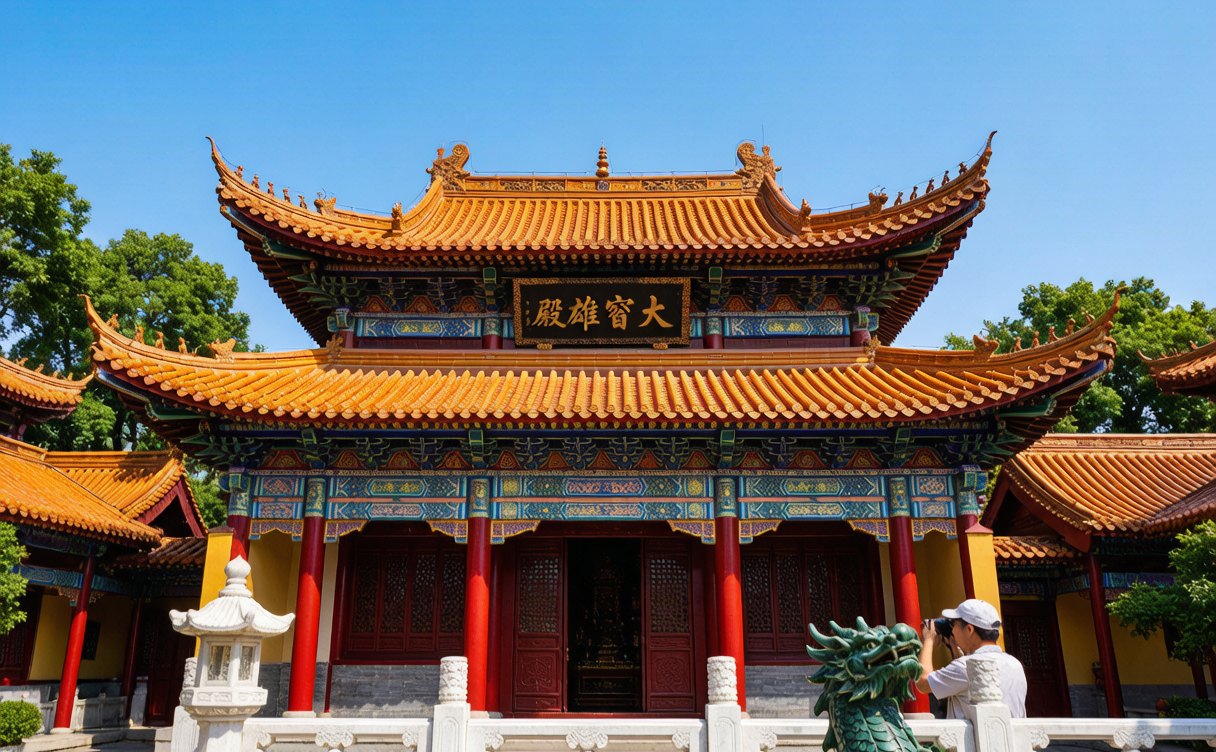
- Bao Gong Temple and Bao Park: The memorial to Judge Bao sits on the banks of a small lake in the city center. Walk the courtyards, see the bronze statue, and read the steles that tell his story. Arrive before nine to avoid school groups.
- Xiaoyaojin Park: A classical garden with ponds, bridges, and a famous bronze drum pavilion. It marks the site of a third-century battle and is the easiest green escape downtown.
- Anhui Museum, New Hall: Free entry, strong collections of bronze, porcelain, and Huizhou architecture models. It is the ideal rainy-afternoon stop and a good primer before you visit the villages south of the province.
- Chaohu Lake: Thirty-eight kilometers southeast, the lake gives you causeways, hot-spring towns, and fresh seafood. Pair it with a half-day trip using the Chaohu Lake guide for beaches and island temples.
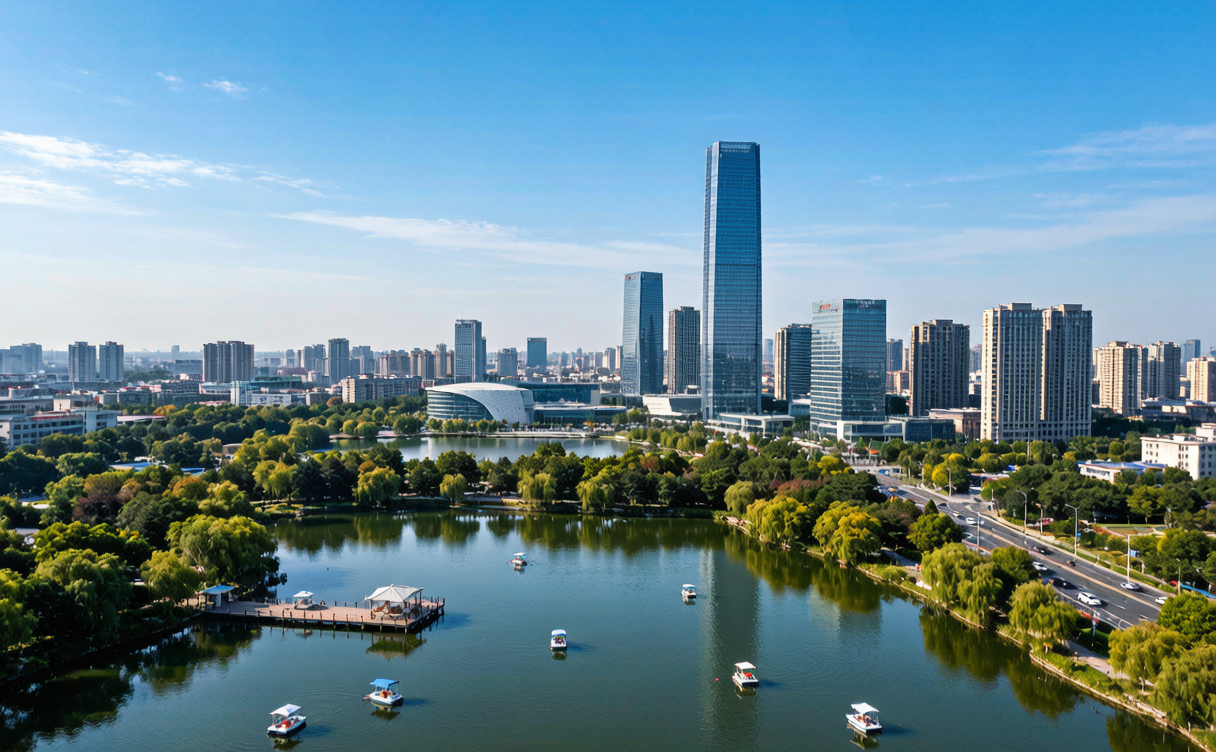
- Swan Lake and the new district: Modern Hefei shows off its skyline, musical fountains, and night lights here if you want a contrast with the old town.
- Lord Bao’s Hometown Cultural Park: A larger, quieter complex on the city edge with reconstructions of Song-dynasty streets, good for photography and a slow walk.
Hefei Food Guide
Anhui cuisine, known as Hui cai, is one of China’s eight great regional kitchens, and Hefei is a fine place to taste it without the mountain-village prices. The style leans on braising, smoking, and foraged ingredients rather than heavy chili or oil. Order liyu huang (river fish in a sweet-brown sauce), wuzhatui (a pork and chestnut stew), and huangshan ga (steamed buns with a crisp, chewy bottom). For a deeper dive, our Anhui Hui cuisine guide lists the signature plates and the towns that invented them. Around the pedestrian streets you will also find zhajiang mian, stuffed tofu, and roasted sweet potatoes in winter. Most restaurants post menus with photos, so pointing works even when the app translation fails.
Where to Stay
Most visitors choose the Luyang district near the old town for walkable temples and food, or the area around Hefei South Railway Station for early trains. International chains and Chinese business hotels are plentiful; true hostels are rare, so budget travelers should book a cheap business hotel close to a metro entrance. Rooms with breakfast run from about 250 yuan for a clean three-star to well over 700 for an international four-star. Book through the usual Chinese apps or your home booking site, and keep your passport number ready, because front desks must register foreigners by law.
Getting Around and Practical Tips
Buy a local SIM or eSIM before you need maps, because Google services are blocked on the mainland and you will want Baidu or Amap for bus times. Set up Alipay or WeChat Pay linked to an international card so you can pay for metro, taxis, and snacks without cash. Carry your passport for ticket counters at the museum and Bao Park, since some sites still check ID at the gate. English signage is limited outside the stations, so download an offline translation phrasebook and screenshot your hotel address in Chinese characters.
Suggested Two-Day Itinerary
Day one starts at Bao Gong Temple in the morning, moves to Xiaoyaojin Park for lunch, spends the afternoon at Anhui Museum, and ends with dinner in the old pedestrian quarter. Day two is a half-day to Chaohu Lake by bus or rented car, a hot-spring soak, then back for a Hui-cuisine feast. If you have a third day, take the train to Nanjing or push south toward the Huangshan range. Hefei will not top anyone’s bucket list, but as a calm, affordable, and well-connected base for exploring Anhui, it earns a place on a thoughtful China trip. For independent background on the city’s history and layout, see the overview at Hefei on Wikipedia.
Whether you continue to Chaohu’s shoreline or ride the rail south, Hefei makes a sensible, low-stress start to the province.
Pack light layers, keep your passport handy for ticket ID, and give this underrated capital a real chance before you move on.