

Suining lies in the central Sichuan basin, on the banks of the Fujiang River, a couple of hours southeast of Chengdu by high-speed train. It is not a headline destination, and that is precisely its appeal. The city moves at the slow pace of a provincial river town, with riverside parks, old temples dedicated to the bodhisattva Guanyin, and a relaxed food culture that shares Chengdu’s love of chili without the big-city crowds. The one attraction that pulls visitors from across China is the China Dead Sea, a salt-lake resort in nearby Daying County where the water’s density lets you float without effort, much like its namesake in the Middle East.
This Suining travel guide covers how to get there, when to visit, what to do, and what to eat, written for travelers who want a quieter slice of Sichuan beyond the capital.
How to Get to Suining
Suining has its own high-speed railway station on lines connecting Chengdu and Chongqing, and that is the easiest way in. Trains from Chengdu run frequently and take roughly 90 minutes to two hours depending on the service, making Suining an easy half-day journey from the provincial capital. From Chongqing the trip is similar in length. If you are assembling a Sichuan itinerary, the Chengdu travel guide explains how to use the city as your hub, and the China high-speed train guide for foreigners covers booking and station navigation for newcomers.
Suining’s local airport handles a limited number of domestic flights, but most foreigners will find the train simpler and more predictable. Within the city, buses and taxis are plentiful, and the China Dead Sea resort in Daying runs shuttle buses from the station area during peak season, so you do not need a car to reach the water.
Best Time to Visit Suining
Sichuan’s basin climate is humid and mild. Spring, March through May, and autumn, September through November, are the most comfortable, with moderate temperatures and less rain. The China Dead Sea is busiest in summer, when families come to cool off, so if you want calmer water go in late spring or early autumn when the resort is quieter.
Summer is hot and humid, with the resort at its most crowded but also at its most refreshing, and the brine stays buoyant no matter the temperature. Winter is cool and gray, and the outdoor pools can be chilly, though the resort maintains heated sections that keep swimming possible. For comparisons with nearby mountain escapes, the Dujiangyan irrigation system guide describes the cooler highland air an hour northwest of Chengdu, a useful alternative when the basin heats up.
Things to Do in Suining
The China Dead Sea is the obvious first stop. The resort replicates the buoyancy of the real Dead Sea using locally sourced brine from deep underground salt deposits, and you can lie back and read a book on the surface without sinking. Beyond floating, the complex has warm mineral pools, a faux black-soil mud bath, and water slides that keep children busy through the afternoon. Plan a full day if you go in summer, and arrive early to claim a lounger before the midday rush.
For culture, Suining calls itself a homeland of Guanyin, the bodhisattva of mercy, and the Lingquan Temple on the city’s southern hill is the focal point. Pilgrims climb to the temple complex for its cliff statues and the spring that gives the site its name, and the path up is shaded and calm. The older Guangde Temple, within the city, is a working monastery with a quiet courtyard and a significant Buddhist relic stupa. Both are genuine, locally loved experiences rather than staged shows for tour buses.
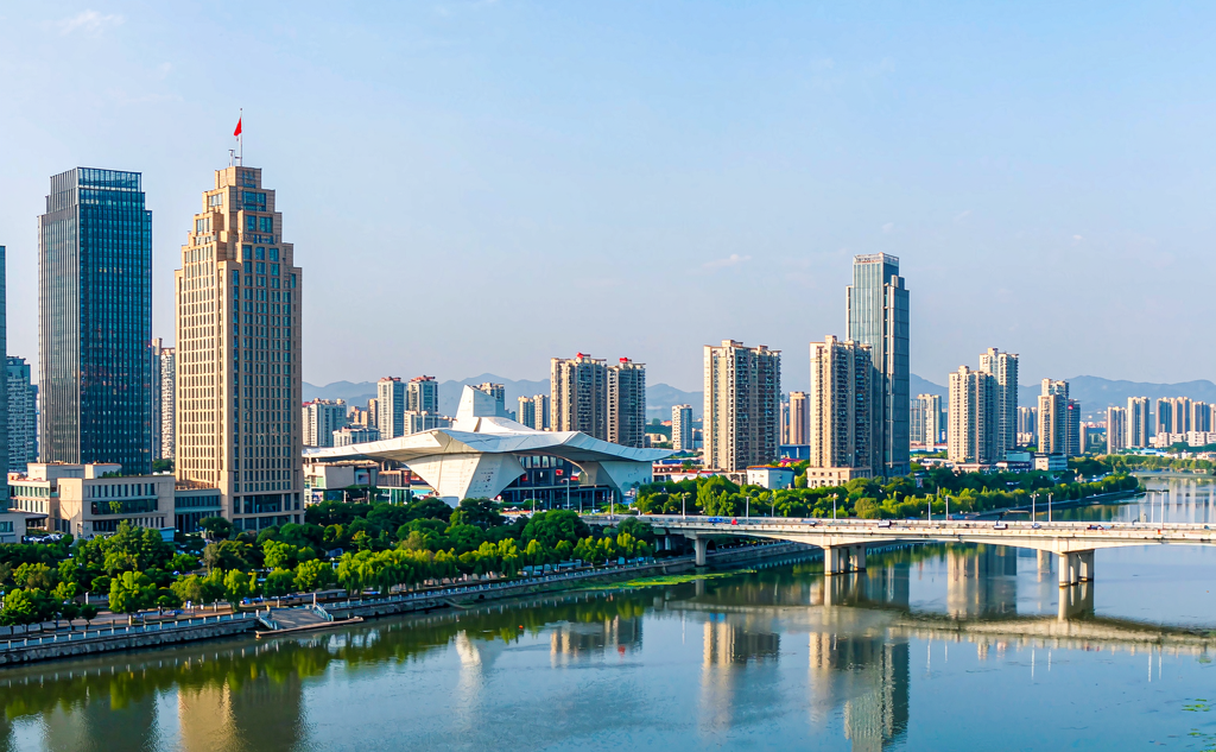
The Fujiang riverside is the place to simply be. Evenings bring walkers, dancers, and snack stalls, and the lit bridges make an easy stroll after dinner. If you want mountain air, Mount Qingcheng near Chengdu is a worthwhile day trip from the region and a striking contrast to Suining’s flat river plain, with Taoist temples tucked into the forest.
Suining Food
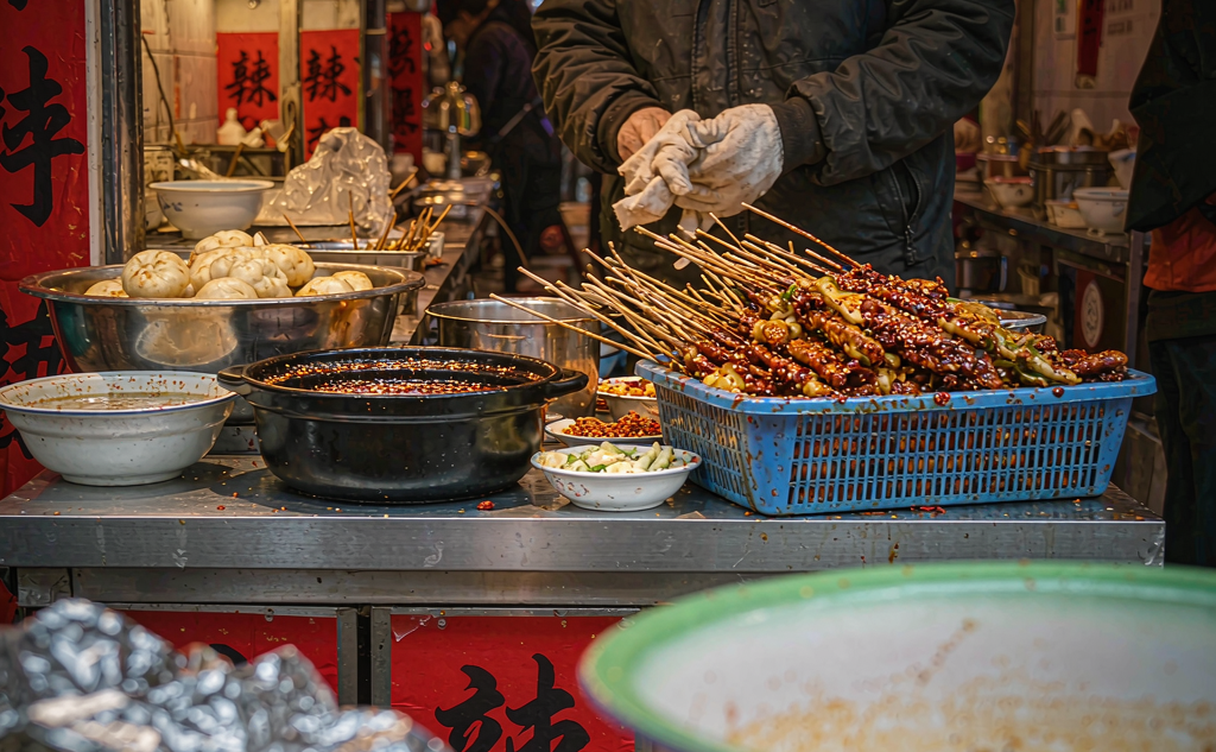
Sichuan food here is the real thing: mapo tofu, twice-cooked pork, and dan dan noodles appear on almost every menu, but Suining has its own touches. The city is known for a softer, sourer style of hot pot broth and for river fish from the Fujiang, often steamed with pickled vegetables that cut the richness. Street snacks center on the night markets: grilled skewers, rice cakes, and sweet soybean milk that make a cheap late-evening meal.
The slower pace means you can eat well cheaply, and smaller family restaurants are where the best food hides, often behind handwritten chalk menus. For travelers combining this with panda-watching, the Chengdu pandas and city guide and the wider China panda tour guide lay out how to see the animals before or after your Suining stop, an easy add-on from Chengdu.
A Suggested Suining Itinerary
With one day, go straight to the China Dead Sea in the morning and plan to stay through the afternoon, since the resort rewards a slow visit more than a quick look. Float first, then move between the mineral pools and the mud bath, and eat at the resort’s food court or return to the city for a spicy hot pot dinner. If temples interest you more than water, spend the morning at Lingquan Temple on its hill, descend for a riverside lunch, and finish at Guangde Temple before the light fades.
Two days lets you do both: the resort on day one and the temples plus the Fujiang evening walk on day two, with a night-market dinner in between. The city is calm enough in the evening that a simple stroll along the lit bridges is a genuine highlight rather than a filler activity, and the pace lets you actually taste the food instead of rushing through it.
Suining fits most naturally as a side trip from Chengdu, and many visitors slot it between the pandas and the highland towns to the west. The train makes the round trip easy, and the contrast between the capital’s energy and Suining’s slow river pace is part of the appeal. It also works as a warm-up for the salt-and-spa logic of the region before you head to the cooler mountains, where the air and the food both change.
Practical notes: bring swimwear and a towel for the resort, since rentals are limited and queues form at peak times; book the summer weeks early because family demand is high; and keep a translation app handy for the night-market menus, which are rarely in English but almost always worth the guess. Mobile payment is universal, and the shuttle from the station removes the need for a car. Autumn is the calmest window, with fewer crowds and comfortable weather for temple climbing. If you only have time for one thing, make it a full morning at the China Dead Sea, because the floating experience is the one Suining sight you cannot replicate in a bigger city.
Where to Stay and Practical Tips
Stay in central Suining for temple visits and riverside walks, or at the China Dead Sea resort if you want early pool access before day visitors arrive. Summer weekends at the resort book out, so reserve ahead. English is limited, mobile payment rules, and a translation app helps with menus. Suining works well as a low-pressure overnight between Chengdu and the eastern Sichuan sights, and the train makes it a simple extension of any provincial itinerary. The city center has a full range of hotels from budget to mid-range, while the China Dead Sea resort runs its own rooms and villas if you would rather wake up beside the water. Either base works, but staying at the resort saves the shuttle ride back on a tired summer evening.
For official background on Sichuan’s tourism infrastructure and regional sites, the Ministry of Culture and Tourism of China publishes provincial guidance: https://www.mct.gov.cn/