

For most visitors, a China panda tour is the wildlife experience they remember longest. The giant panda exists almost nowhere else on earth, and seeing one at close range — a full-grown animal methodically dismantling a stalk of bamboo — is stranger and more affecting than any zoo encounter, because these animals are genuinely rare and genuinely Chinese. The catch is that pandas are picky about where they live and when they are active, so a little planning decides whether you get a great visit or a glimpse of a sleeping blob. This guide covers where to see them, how the bases work, and how to build a panda-focused stop into a wider trip.
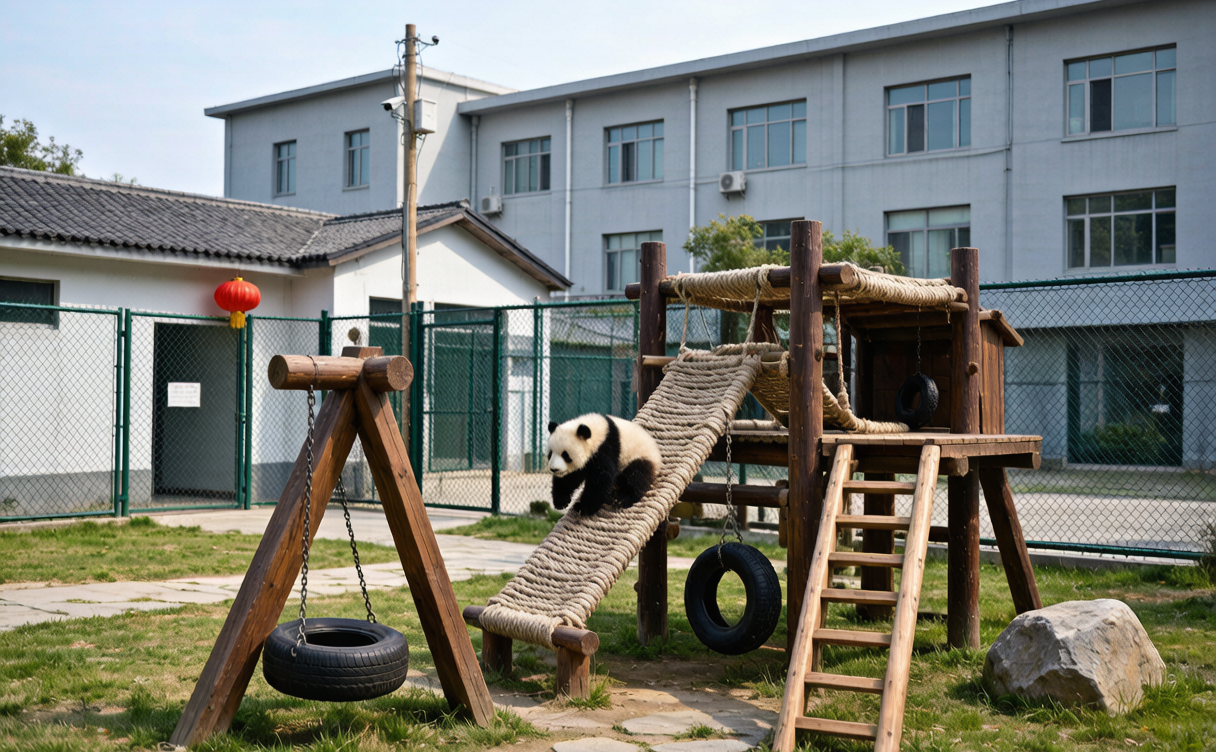
Start with the geography. Wild pandas live in the misty mountain forests of Sichuan, Shaanxi, and Gansu, but you will not see them in the wild without a permit, luck, and a multi-day expedition. What travelers actually visit are the breeding and research bases, where pandas are kept in large, naturalistic enclosures and where the keepers have turned conservation into something the public can witness. The animals are most active in the morning, which is the single most important fact for planning: arrive at opening, usually 7:30 a.m., and you catch them feeding and moving. Arrive at noon and you will mostly see furry mounds asleep in the shade.
Chengdu Research Base
The headline destination is the Chengdu Research Base of Giant Panda Breeding, on the edge of the city and reachable in under an hour. It is the most famous panda facility in the world, and our Chengdu pandas and city guide walks through how to combine a morning at the base with the rest of what the city offers. The base is large, with multiple enclosures, a nursery for cubs in season, and clear walking routes; give yourself at least three hours. Go early, head to the adult enclosures first, then the cub area, because the crowds and the heat both build through the day.
A Chengdu panda base guide worth internalizing: the cubs are only on view in spring and summer, and the youngest ones draw the biggest crowds, so the nursery is where you want to be right at opening. The base is well signed and has buggies for hire, which helps with the hills. Tickets are bought at the gate or online, and the price is modest; the real cost is the early start.
Dujiangyan and the quieter options
If Chengdu feels too busy, the Dujiangyan panda base, about an hour west of the city, is a calmer alternative with a strong conservation focus. It sits near the ancient irrigation system that gives the town its name, so you can pair pandas with a UNESCO-grade piece of engineering in one day.
Beyond the city, the Wolong reserve and the Bifengxia base offer more wilderness feel and fewer tourists, at the cost of more travel and less certainty about sightings. These are better for serious wildlife travelers than for families on a tight schedule. What matters is matching the base to your tolerance for crowds and distance.
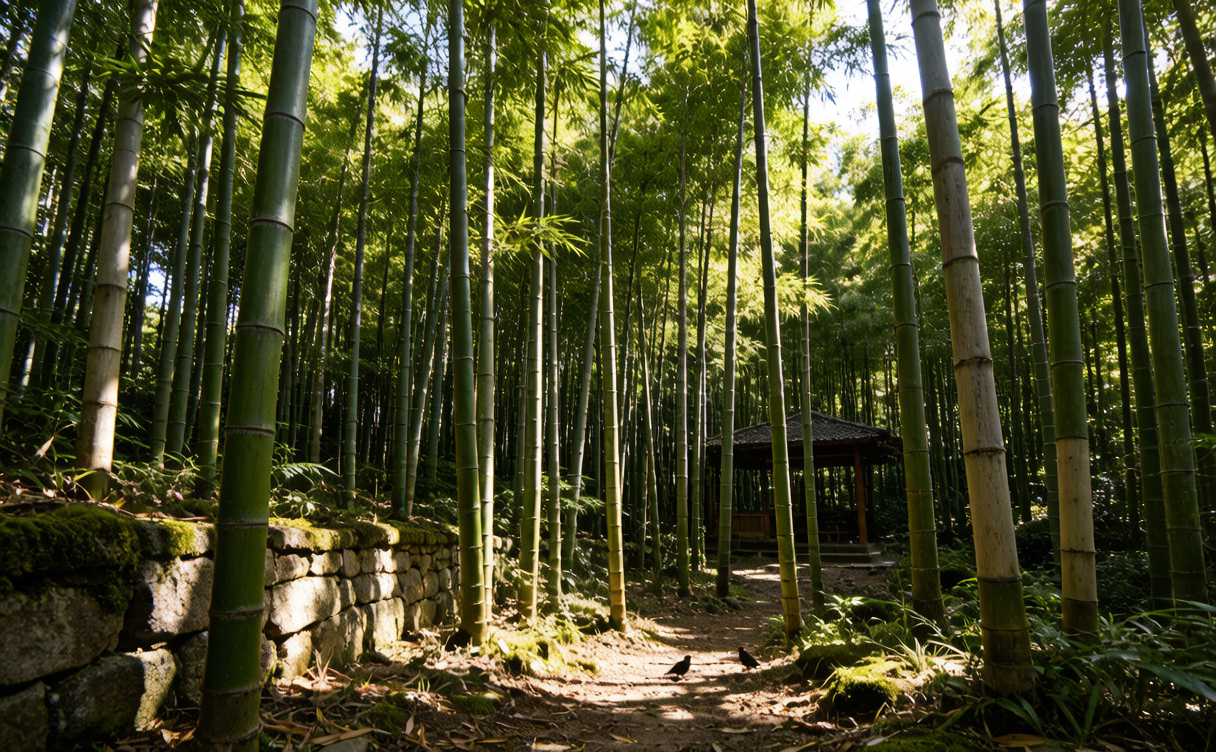
Building a panda itinerary
A realistic panda tour China itinerary runs like this: fly or train into Chengdu, spend one early morning at the research base, and use the rest of the day for the city’s food and teahouses. If you have a second day, do Dujiangyan. If you have more time and want the wild edge, add Wolong. Pandas do not reward rushing — one good morning beats two hurried afternoons.
Our China bucket list attractions roundup places the panda base among the country’s signature experiences, and for families the payoff is enormous; our China travel with kids guide notes that few things land like a panda cub for younger travelers, provided you keep the early start and build in rest afterward.
Timing within the year matters too. Spring and autumn are the most comfortable for both you and the pandas, while the depth of summer pushes the animals into shade and air-conditioned rest, and winter, though cold, often brings active, foraging pandas and thin crowds. The base stays open year-round, so your own weather tolerance is the main constraint.
Rules and realities
You cannot hold or touch the pandas at the public bases — the volunteer programs that allowed it have been tightly restricted, and the close-up photos you see online are mostly from special research access, not tourist encounters. Respect the barriers; the animals are stress-sensitive, and the bases exist for conservation first. Photography is welcome but flash is not. Bring water, wear walking shoes, and expect hills.
The official base site at https://www.panda.org.cn/ carries current opening times, cub-season notes, and any booking changes, which is worth a check before you go, because schedules shift with the breeding calendar.
What the pandas actually do
Manage your expectations and the visit rewards you. Pandas spend most of their waking hours eating — they can consume 12 to 15 kilograms of bamboo a day, and watching an adult strip a stalk with deliberate, almost meditative focus is genuinely absorbing. Between feeds they sleep, often draped over a log or a ledge in a way that explains every stuffed toy you have ever seen. Cubs are chaos: tumbling, climbing, and occasionally falling off things, which is why the nursery draws the crowds it does. You will not see hunting or drama — these are placid animals — but you will see a species up close that exists almost nowhere else, and that is the point.
Photography and pacing
For photos, a longer lens helps, because the barriers keep you a respectful distance from the enclosures. Morning light through the enclosure trees is forgiving, and the pandas are moving then, which gives you action rather than a furry lump. Pace the visit: do the outdoor adult enclosures first, circle back to the cub nursery before it gets unbearable, then use the shaded paths to cool down. The base is bigger than it looks from the entrance, and a tired, overheated traveler misses more than they realize.
Why the bases exist
It is worth remembering that these are research and breeding centers first. Decades of work here pulled the giant panda back from the edge of extinction, and the animals you see are part of a captive population that supports both science and, eventually, wild reintroduction. That framing makes the crowds and the rules easier to accept — you are visiting a conservation project that happens to be open to the public, not a theme park with pandas in it.
Getting to Chengdu
Chengdu is a major hub with an international airport and fast rail links from Beijing, Xi’an, and Chongqing, so reaching it is rarely the hard part of the plan. From the city center the panda base is a straightforward taxi or ride-hail ride of under an hour in light traffic, though the early start means you will beat the worst of it. If you would rather not navigate, the base is included on most Chengdu day tours. Either way, the key variable is not transport but the clock — be at the gate near opening, and the rest takes care of itself.
Pairing pandas with the rest of Sichuan
Chengdu is a natural hub, and the panda stop pairs well with the city’s slower pleasures: the teahouses of People’s Park, the spice of a proper Sichuan hot pot, and a day trip to the Leshan Giant Buddha if you have the time. If you are building a longer Sichuan loop, the panda base works as either the opening or the closing day — easy after a long flight, satisfying as a finale before you fly out. The common mistake is cramming it between two other big sights on the same day; give the pandas their own morning and the rest of the trip goes better for it.
The short version
See pandas in Sichuan, start at the Chengdu base, arrive at opening, and keep your expectations set on the morning. Add Dujiangyan for a calmer second day. Don’t expect to touch one. And if you want the ground-level logistics — visas, payments, getting around — that make the whole trip work, our China travel guide for first-timers covers the foundation every visitor needs before they start planning enclosures and train times.