

A good China overnight train guide starts with the obvious advantage: you board in the evening, sleep through the dark hours, and step off in a new city with a full day ahead and no hotel bill for the night you just spent moving. For a country this large, the sleeper train is one of the most practical ways to cover long distances, and the network is extensive enough that you can reach most places worth visiting without ever setting foot in an airport. The trains are safe, punctual, and more comfortable than many first-time visitors expect. This guide breaks down the sleeper classes, how to book as a foreigner, and the small habits that turn a restless night into a decent one.
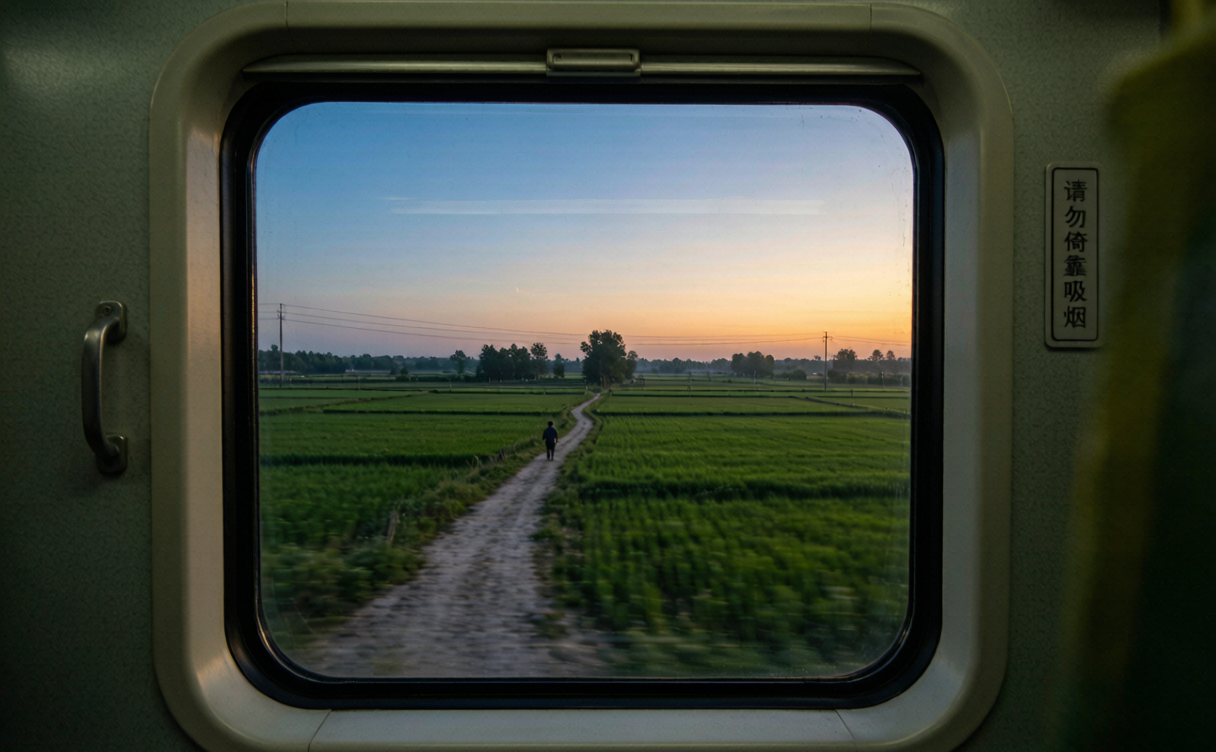
Before the classes, one distinction matters: China runs both high-speed (G/D/C) trains and older conventional (Z/T/K) trains, and only the conventional trains carry the true overnight sleepers. The high-speed network is faster but mostly daytime, and its “sleeper” variants are limited and pricier. If your goal is to save a night and a hotel, you want the conventional train. Our China train types guide explains the letter codes on your ticket, which is worth a glance before you search, because the code tells you the speed, the stops, and the likely comfort level.
Hard sleeper versus soft sleeper
The two classes you will actually book are hard sleeper (yingwo) and soft sleeper (ruanwo). Hard sleeper is the budget option: an open carriage with three-tier bunks stacked along the sides, no door, and a shared aisle. You get a bunk, a small reading light, and a storage shelf; privacy is minimal and the carriage stays lit and noisy through the night. It is cheap and sociable, and many younger travelers enjoy it, but light sleepers will struggle.
Soft sleeper is the step up: a closed compartment with four bunks, a door you can latch, softer mattresses, and noticeably better insulation from the carriage noise. Some routes also offer two-berth deluxe soft sleepers with a private bathroom, though these are rarer and cost close to a flight. For a first overnight trip, soft sleeper is the sweet spot between cost and rest — and if you are traveling as a pair, booking the four bunk beds in one compartment gives you the whole room.
The question of China soft sleeper vs hard sleeper really comes down to how much you value sleep versus savings. On a twelve-hour run, the soft sleeper’s door and mattress are worth the premium; on a short six-hour hop, hard sleeper is fine if you can doze anywhere.
How to book as a foreigner
Booking is easier than it used to be. The official system is 12306, which now has an English interface at https://www.12306.cn/en/, and you can register with your passport number. Trains open for sale 15 days ahead (sometimes longer on certain routes), and popular overnight sleepers — especially around holidays — sell out fast, so book as early as you can. You will need your passport both to book and to board; the ticket is checked against the document, so carry the same one you used at checkout.
Our full walkthrough on how to book China train tickets on 12306 covers the registration steps, the verification wrinkle with the real-name system, and what to do if the English site balks. If you would rather not wrestle the platform, agencies and hotel concierges can book for a fee, but the official site has no markup and shows the real seat map.
Train or plane?
Whether to take the overnight train at all depends on the route. Our China train versus flight guide compares door-to-door time, cost, and comfort for common city pairs, and the answer shifts by distance: under about 1,000 kilometers, the train often wins on city-center-to-city-center time once you factor airport security and transfers; beyond that, the flight usually saves enough hours to matter. The overnight sleeper is the one case where the train can beat a flight on a longer route, because you are asleep while the kilometers pass.
For many visitors the high-speed daytime train is the more comfortable default, and our China high-speed train guide for foreigners walks through what to expect on those — but for covering distance overnight, the conventional sleeper remains unmatched.
Onboard realities
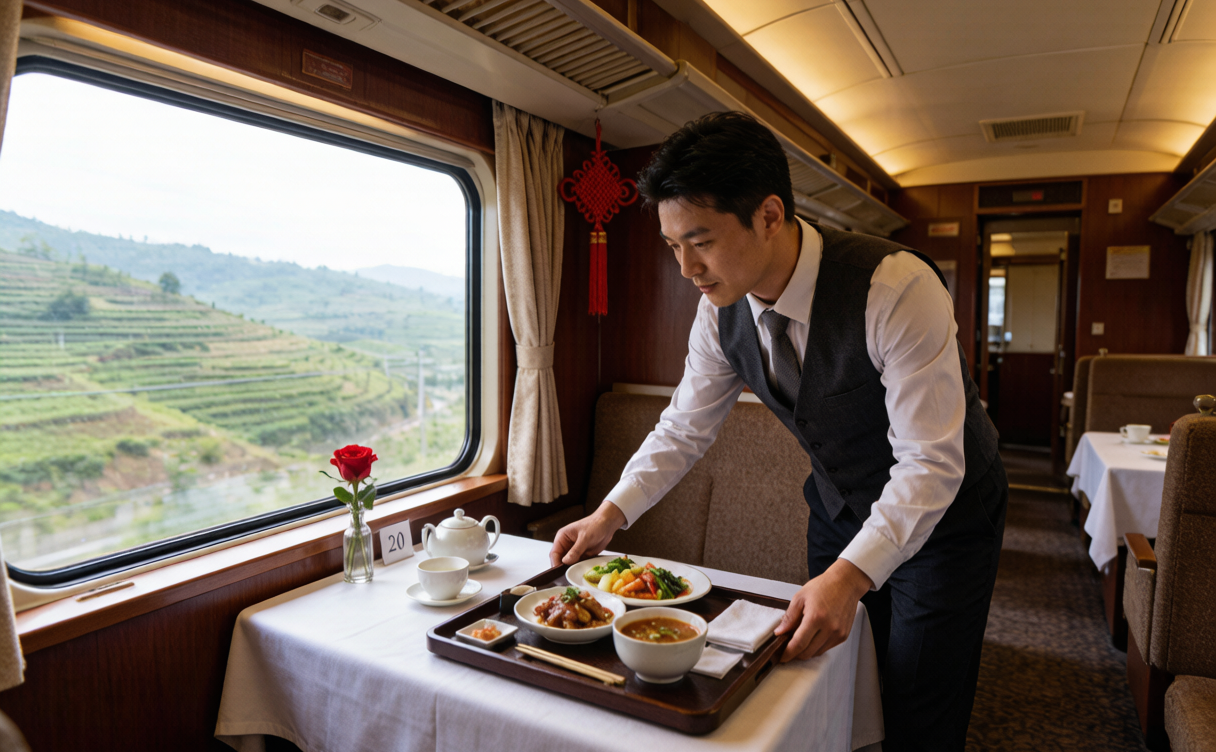
Once you are on board, a few things help. Bring your own toilet paper; the carriage rolls of it run out. Slip-on shoes make the climb to the top bunk less awkward. A sleep mask and earplugs are the single best investment for hard sleeper. The hot water dispensers let you make instant noodles or tea, and the dining car exists but is underwhelming — pack snacks you actually want to eat.
Boarding happens at the platform, and stations are enormous, so arrive with time to find your gate; the display boards list train numbers, not destinations, in a roughly English-friendly format. Your bunk number is printed on the ticket, and the carriage attendant keeps the compartment reasonably orderly. Luggage goes in the space under the lower bunk or on the overhead shelf at the carriage end; keep valuables with you.
Fares are reasonable and part of the appeal: a hard sleeper on a major route might run a quarter of a flight’s price, while soft sleeper lands somewhere between a budget airline seat and a cheap hotel room plus the journey. For a couple, taking a private soft-sleeper compartment can cost less than one night’s lodging plus a daytime transfer — which is the whole point of the overnight approach.
Sleeping and safety
China’s trains are safe, and petty theft is rare, but a zipped bag looped to your bunk is sensible on hard sleeper. The train tends to mute its horn at night and dims the hard-sleeper lights after 10 p.m., though the soft-sleeper compartment is dark whenever you close the door. Motion and the occasional station stop will wake light sleepers; a white-noise app helps.
Temperature is the other variable. Carriages are heated in winter and cooled in summer, but the top bunk sits right under the vent, so it can run cold or drafty. Ask the attendant to adjust if needed, or pick a lower bunk if you feel the cold.
Choosing your bunk and minding the cabin
On hard sleeper the three tiers each suit a different traveler. The lower bunk is the easiest to get in and out of and doubles as a seat during the day, but it is also the one strangers sit on and the brightest when the lights stay on. The middle bunk is the compromise nobody loves. The upper bunk is the quietest and cheapest, but you cannot sit up straight and the climb is awkward — fine for the young and flexible, miserable for anyone tall. On soft sleeper the two lower bunks are marginally easier; the uppers are still there but the compartment door changes the equation entirely.
Cabin etiquette is light but real. Keep calls short and voices low after lights-out, charge your phone from the socket near the door, and don’t unfold into someone else’s space. Most fellow passengers are friendly and curious about foreign travelers; a little Mandarin or a translation app goes a long way, and you may end up sharing snacks. The attendant can usually warn you before your stop, but set an alarm — trains do not wait, and missing your station means riding to the next one and doubling back.
Food on the move
The dining car is serviceable but not a highlight: stir-fried plates at modest prices, sometimes a set menu, and a steady supply of instant noodles from the trolley that passes through. The better move is to treat the train as a picnic. City supermarkets and station convenience stores sell fruit, bread, boiled eggs, and vacuum-packed snacks that beat the carriage offerings. A flask of tea or coffee made from the carriage’s hot-water dispenser turns the bunk into a small, comfortable perch for watching the country slide past — which, quietly, is the whole pleasure of the overnight train.
The short version
Book soft sleeper for anything over eight hours, hard sleeper for short hops if budget leads. Register on 12306 early, carry the passport you booked with, and pack earplugs, toilet paper, and real food. Arrive at the station with buffer time. If you want the wider picture — visas, payments, and the logistics that make train travel possible — our China travel guide for first-timers lays the groundwork every visitor needs before they start riding the rails.