

The first thing a useful Great Wall of China guide has to clear up is that there is no single wall you simply arrive at. The structure runs for more than 20,000 kilometers across northern China, built in segments over two thousand years, and what most visitors actually see is a small set of restored, ticketed sections clustered within a few hours of Beijing. Picking the right one changes everything about the day — the crowd level, the views, the physical effort, and the price. This guide covers which section fits different kinds of trips, how to reach each from the capital, and what to expect once you are standing on the ramparts.
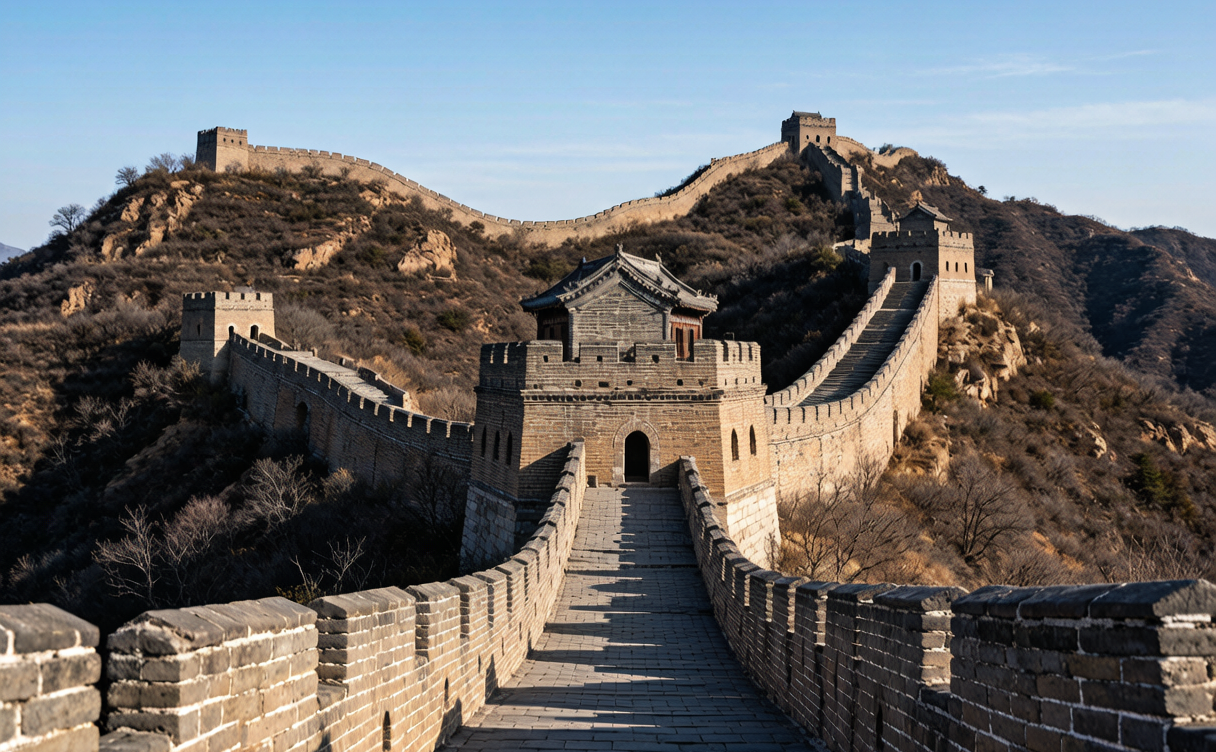
Most of the Wall you read about is ruin or empty mountain. The stretches open to tourists are the ones that have been rebuilt and maintained, which also means they are the ones with infrastructure: parking, cable cars, restaurants, shuttle buses, and multilingual signs. If you want the iconic postcard ridge, you get it at a restored section. If you want solitude and genuine crumbling stone, you travel farther and accept that “facilities” may mean a portable toilet and not much else.
The two easy choices from Beijing
For almost every foreign visitor, the real decision is Badaling or Mutianyu. Both sit within roughly two hours of central Beijing, both are heavily restored, and both can be reached by public transport or private car. They are also the two we compare in detail in our Mutianyu vs Badaling Great Wall article, because the trade-offs are practical rather than cosmetic.
Badaling is the oldest opened section and the most famous internationally. It is where visiting heads of state are taken, which tells you both that it is impressive and that it gets crowded — heavily so on weekends and national holidays. The stonework is immaculate, the signage is clear, and the cable car makes it reachable for almost anyone. If you have limited mobility or a single free day, Badaling is the safe choice.
Mutianyu, about 70 kilometers northeast of the city, is the section I suggest to most first-timers who can spare the extra half hour of travel. It is restored and well run but sits lower on the mass-tourism radar than Badaling, so the paths feel less like a shopping arcade. The surrounding forest gives greener views, and the on-site toboggan run back down is a small, genuine pleasure rather than a gimmick. For a wider plan that includes this stop, our Beijing first-time travel guide shows how to fit the Wall into a fuller city itinerary.
Getting there without losing the day
The fastest route to Badaling is now the high-speed train from Beijing North Railway Station, which reaches the wall in well under an hour and spares you the expressway traffic that can double the drive on a bad morning. Mutianyu has no station at the wall, so most visitors take a tourist bus from the city or a private transfer; the road is straightforward and the drive is scenic once you clear the suburbs.
If you would rather not assemble transport yourself, a Beijing day trip to the Great Wall handles the logistics and is the lowest-stress route for a single-day visit. The downside is that group tours run on a fixed clock and start early, so you trade flexibility for convenience. Traveling independently gives you control over arrival time, and as a rule reaching the gate before the 8 a.m. opening or after 2 p.m. changes the crowd density more than any other single choice you make.
One more practical note: the sections close their last shuttle well before the official gate time, so check the return schedule when you arrive. Missing the last bus means an expensive taxi negotiation, and the drivers waiting at the exit know it.
Tickets, timing and the weather window
Entry to Badaling and Mutianyu runs roughly 40 to 60 RMB for basic admission, with cable car or toboggan rides costing extra on top. Buy at the official window or the section’s verified online platform; touts near the parking lots charge more for the same ticket. Opening hours are generally 7:30 or 8 a.m. to 5 or 6 p.m., with last entry about an hour before closing, and some sections extend hours in peak season. Student and senior discounts exist, so bring the relevant ID if it applies.
The season you pick matters as much as the section. Our best time to visit Beijing guide makes the case that spring and autumn bring clear skies and tolerable temperatures, while summer delivers heat and the heaviest domestic tourism, and winter brings ice on the steps and almost no one else. A winter visit is one of the Wall’s better-kept secrets: cold, certainly, but quiet and photogenic in a way the summer crowds never permit.
Beyond the two famous sections
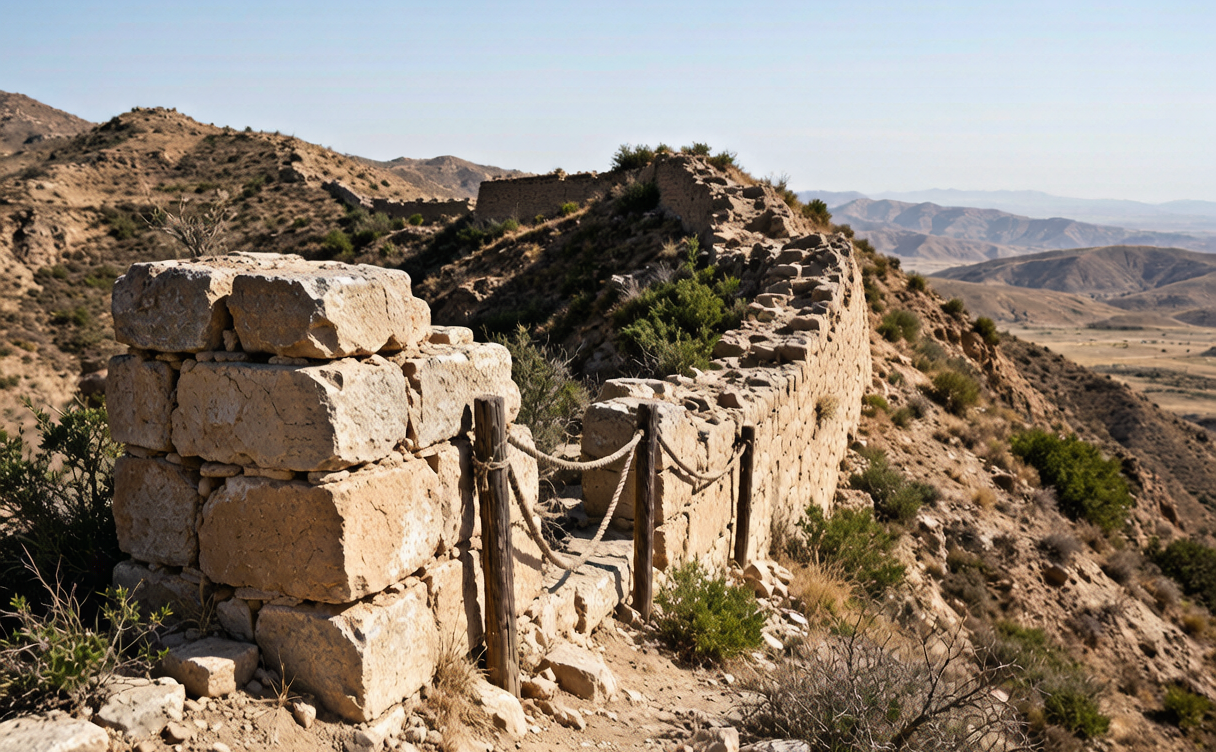
If you have already done Badaling or Mutianyu and want something different, a few other sections are worth knowing. Jinshanling and Simatai, farther east, are partly restored and favored by hikers who want to walk between watchtowers without renovation crews in view; the hike connecting them is a classic half-day on the wall. Jiankou is wild, unrestored, and genuinely dangerous in places — beautiful, but not somewhere I would send a casual visitor. Huanghuacheng has a stretch that drops into a reservoir, which makes for unusual photographs and a different kind of atmosphere.
Each of these sits farther from Beijing and usually demands a full day or an overnight nearby, so weigh the extra effort against what you actually want. There is no shame in doing the easy, famous section well rather than the hard section badly.
A photographer’s note
If your goal is the image everyone recognizes, the early light is hard to beat. Our guide to the best Great Wall photo spots at sunrise explains exactly where to stand and when to be there, because the difference between a flat midday shot and a ridge glowing at first light is the difference between a snapshot and a photograph you keep. Bring a tripod if you are serious; the best light lands before most tourists reach the top.
Things worth knowing before you go
Wear proper shoes. The steps are uneven, sometimes steep, and in places rebuilt at angles that punish sandals. Carry water even in cool weather, since there is little shade on exposed ridges. Bring a layer regardless of season — the wind on the crest is a different climate from the parking lot. And give yourself more time than you think: the slow walk between towers is the part you remember, not the posed photo at the top.
Food inside the scenic area is overpriced and limited; eat before you leave the city or pack something. Card payments work at the bigger sections, but carry a little cash for the smaller stalls. Toilets exist but vary in cleanliness — the lower stations are better than the ones halfway up the mountain.
The Wall is a UNESCO World Heritage site, inscribed for its Outstanding Universal Value as the largest military structure ever built (full details on the UNESCO listing at https://whc.unesco.org/en/list/438). That status is part of why the busy sections are so managed — the sites balance preservation against the millions of feet that climb them each year, which helps explain why some places feel like a park and others feel like a hike.
The short version
Choose Mutianyu unless you need maximum convenience, in which case Badaling is perfectly fine. Arrive early or late to dodge the worst crowds. Buy tickets at the official source. Dress for a mountain, not a monument. And if you want the ground-level logistics — visas, payments, SIM cards, and trains — that make the rest of a China trip fall into place, our China travel guide for first-timers covers the practical foundation every visitor needs.