

Malinghe Canyon (马岭河峡谷) is the green secret of southwest China’s karst country — a narrow, vertical-walled gorge near Xingyi where dozens of waterfalls sheet down mossy cliffs and a suspended walkway lets you stand behind the curtains of water. This Malinghe canyon guide covers the seasonal window, ticket and cable-car prices in yuan, the fly-in to Xingyi, and what to book, so you can add this lush stop to a Guizhou trip without missing the best flow.
The canyon cuts through the plateau about 8 km northeast of Xingyi, the prefecture capital of southwest Guizhou, where the Maling River has sawed a slot gorge more than 70 m deep and only a few meters wide in places. What sets it apart from the region’s better-known caves and terraces is water: after rain, the cliffs weep with 30–40 separate falls, from thin silver threads to a 100 m plunge called the “Rain Screen” that you walk directly beneath. The Xingyi travel guide treats Malinghe as its headline sight, and it pairs naturally with the nearby Wanfenglin rice-country and the Guizhou 7-day itinerary that strings the province’s karst highlights together.
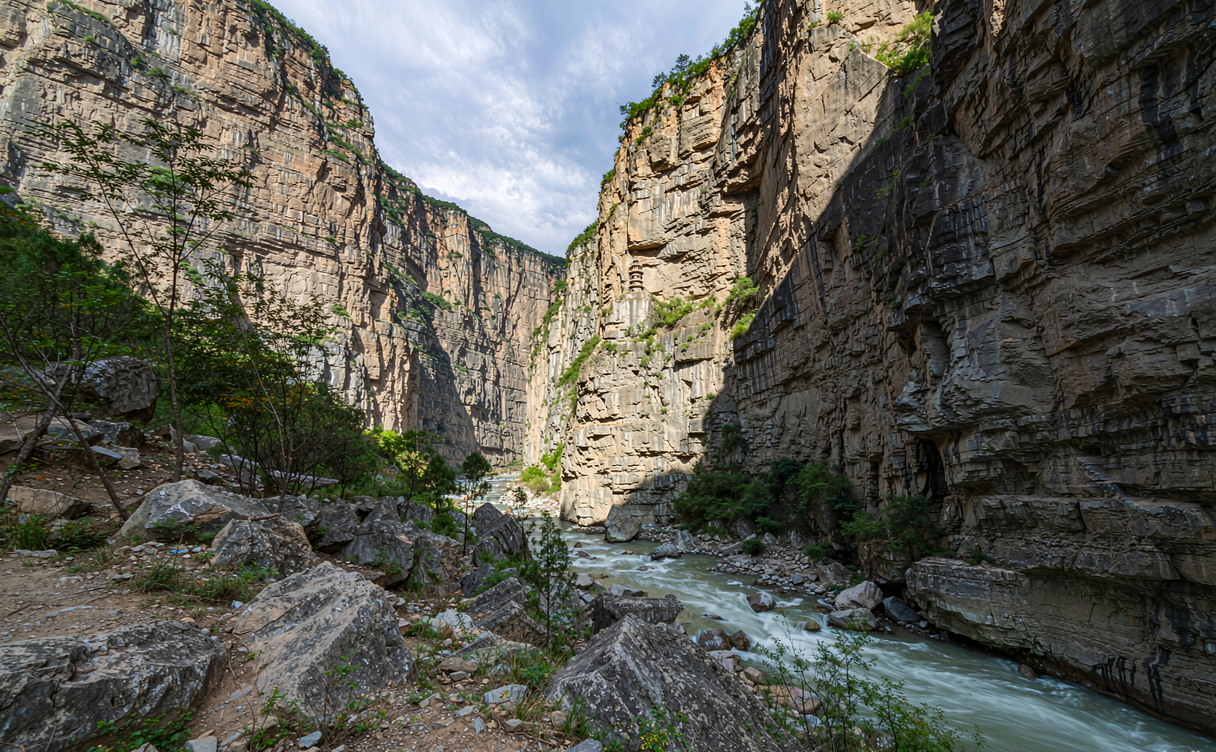
Things to do at Malinghe follow the gorge rim and floor. Most visitors take the north-side cable car down to the canyon floor (about 50 yuan each way, or walk the stair descent if your knees allow), then follow the plank walk that threads behind and beside the falls. The “Rain Screen” waterfall is the set piece — a broad curtain you pass under via a wet tunnel, so bring a rain jacket or buy the 10-yuan poncho at the top. Side galleries open onto vertical drops where you can look straight down the slot to the river, and in late spring the cliff faces glow with azaleas. Allow three to four hours for the full loop; the walk is flat once you are down, but the stair climb back out is real. Up top, the rim road has a few free overlooks if you only want the view without the descent. The Guizhou food guide is the reward after: Xingyi’s sour fish and rice noodles are among the province’s best and cost almost nothing.
Best time to visit Malinghe is May through October, with June to August the peak for waterfall volume after the plum rains and summer storms. The gorge is at its most theatrical right after a heavy rain, when every se ep runs — but note that after very big storms the lower walk can close for safety, so a steady drizzle is ideal and a cloudburst is a risk. Spring (April–May) brings wildflowers and lighter crowds; September–October is warm, green, and calm. Avoid winter (December–February), when flow drops to a trickle, the moss goes brown, and the cable car runs on reduced hours. Because Guizhou’s weather is its own system, our best time to visit China guide maps Malinghe against the rest of the province so you can stack it with Huangguoshu and the terraces.
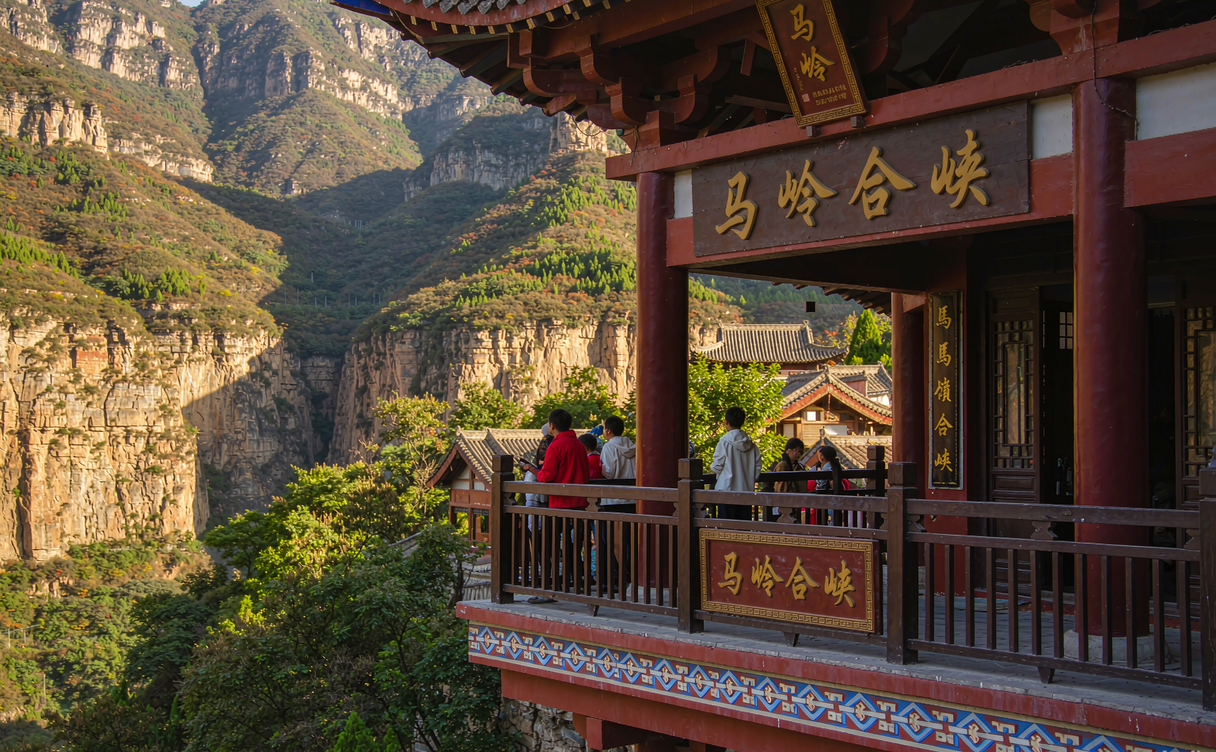
How to get to Malinghe is a fly-in to Xingyi. Xingyi Wanfenglin Airport has direct flights from Guiyang, Kunming, and Chongqing (about 400–700 yuan depending on season), and from the airport a Didi to the canyon gate is 30–50 yuan and 20 minutes. There is no high-speed rail to Xingyi yet, so flying beats the 4–5 hour bus from Guiyang. If you are already in the province by train, our high-speed train guide for foreigners covers reaching Guiyang first, then the hop to Xingyi by air. Base yourself in Xingyi city — it has the hotels, the food, and the launch point for Wanfenglin — and make Malinghe a half-day excursion, not an overnight at the gate.
Tickets and what to book: canyon entry is about 70 yuan, with the cable car another 50 yuan each way; buy both at the gate kiosk, no pre-booking needed except on the October National Day week when the lot caps entry. The geology that produced this slot gorge is part of the broader UNESCO South China Karst World Heritage area, worth reading before you go to understand why Guizhou’s cliffs cut so clean and why the water stays this green. Bring cash as a backup — the rural terminal occasionally loses card and Alipay connectivity.
Food and stay center on Xingyi. The city’s night-market strip serves sour fish hotpot for 50–80 yuan per person and the local “eight bowls” set for similar, and our Guizhou food guide flags the exact stalls worth the walk. Hotels in Xingyi run 200–600 yuan for a solid mid-range room and are easy to book on the apps; reserve a few days ahead in July–August. First-timers should read our China travel guide for first-timers for payment and SIM basics before heading to a region where signal thins outside the city.
What to photograph and pack: the slot gorge is dark even at noon, so a camera that handles high ISO and a phone with night mode will both beat a sunny-day setup, and a small tripod is legal on the plank walk if you want the long-exposure silk effect on the falls. A polarizer helps, but the real trick is a rain jacket or the 10-yuan poncho from the top, because the lower plank sits inside the spray and the Rain Screen tunnel is a full drenching by design. Footwear should be closed and grippy — the walk is flat but perpetually wet, and flip-flops slide on the moss-slick boards. Cash is worth carrying because the gate terminal occasionally loses Alipay and WeChat connectivity, and the Xingyi night market is cheaper paid in cash anyway. If you are traveling with kids, the railings on the floor walk are adequate but the stair descent is steep, so take the cable car down and save their legs for the flat loop. The rim overlooks are free and give you the slot’s full depth without the descent, so if the lower walk has closed after heavy rain you still get a real view. Give the gorge a full half day rather than a rushed hour, because the light inside the slot shifts as the clouds move and the best falls only reveal themselves once your eyes adjust to the green gloom — that is when Malinghe reads as the exhilarating place it is rather than a quick photo stop.
Building a Guizhou route? Anchor Malinghe as your waterfall leg using our Xingyi travel guide and the 7-day itinerary for the full karst loop.
The practical rhythm of a Malinghe day is weather-led. On a rainy morning, be at the gate when it opens at 8:00, take the cable car down, and walk the falls before the 11:00 bus crowds; the light inside the slot is best before noon. In dry weather, the same route works any time, but the falls thin, so aim for right after a storm. Wear the poncho regardless — even the “small” seeps soak the lower plank, and the spray on the Rain Screen tunnel is a full drenching by design.
Timing the falls right? Check our best time to visit China guide to hit Malinghe after the Guizhou rains at peak waterfall flow.
One more planning note: Malinghe is a half-day, not a destination you sleep at, so weave it between Xingyi’s rice country and the province’s bigger names rather than building a trip around it alone. If you self-drive, park at the north gate and take the cable car down — the south gate stair descent is steeper and lacks the same photo angles. Done on a wet June morning, Malinghe is the most exhilarating walk in Guizhou, a gorge you hear before you see and remember long after the province’s famous terraces have blurred together.
Ready to chase the waterfalls? Start from our Xingyi travel guide and put Malinghe at the center of your Guizhou karst circuit.