

On a map, Ma’anshan looks like a satellite of Nanjing — and geographically it nearly is, sitting just across the provincial border from Jiangsu on the south bank of the Yangtze. But this compact Anhui city has an identity all its own, built from two things: a sheer cliff above the river that has drawn poets for a thousand years, and the industrial muscle of a steel town that quietly funds a very pleasant riverside life. A Ma’anshan travel guide is for travelers who want the romance of the Yangtze without the crowds of the big metros.
How to Get to Ma’anshan
The easiest approach is from Nanjing, which has an international airport and sits barely 50 kilometers away. Frequent high-speed trains and intercity buses connect the two, often under 30 minutes, so many visitors base themselves in Nanjing and day-trip here using our Nanjing travel guide as a hub. Direct trains also run from Hefei, the Anhui capital, in just over an hour — see the Hefei travel guide for connections onward to the rest of the province. For those stitching together a multi-city route, our China high-speed train guide for foreigners explains tickets and transfers in plain terms.
Ma’anshan’s own station, Ma’anshan East, is a short taxi ride from the riverfront. Within the city, buses and ride-hailing cover everything; the cliff and the old town are both reachable without a car.
Getting Around Ma’anshan
Ma’anshan is easy to cover without a car. The cliff and the old town are both reachable by bus or a short taxi from the station, and the riverfront is made for walking. Ride-hailing through DiDi is reliable and cheap, with fares between districts rarely exceeding a few dollars. Buses run frequently but display routes in Chinese, so they suit travelers comfortable with translation apps. If you are basing in Nanjing, simply reverse the same train-and-taxi sequence for the return, and store luggage at either station if you travel light.
Things to Do in Ma’anshan
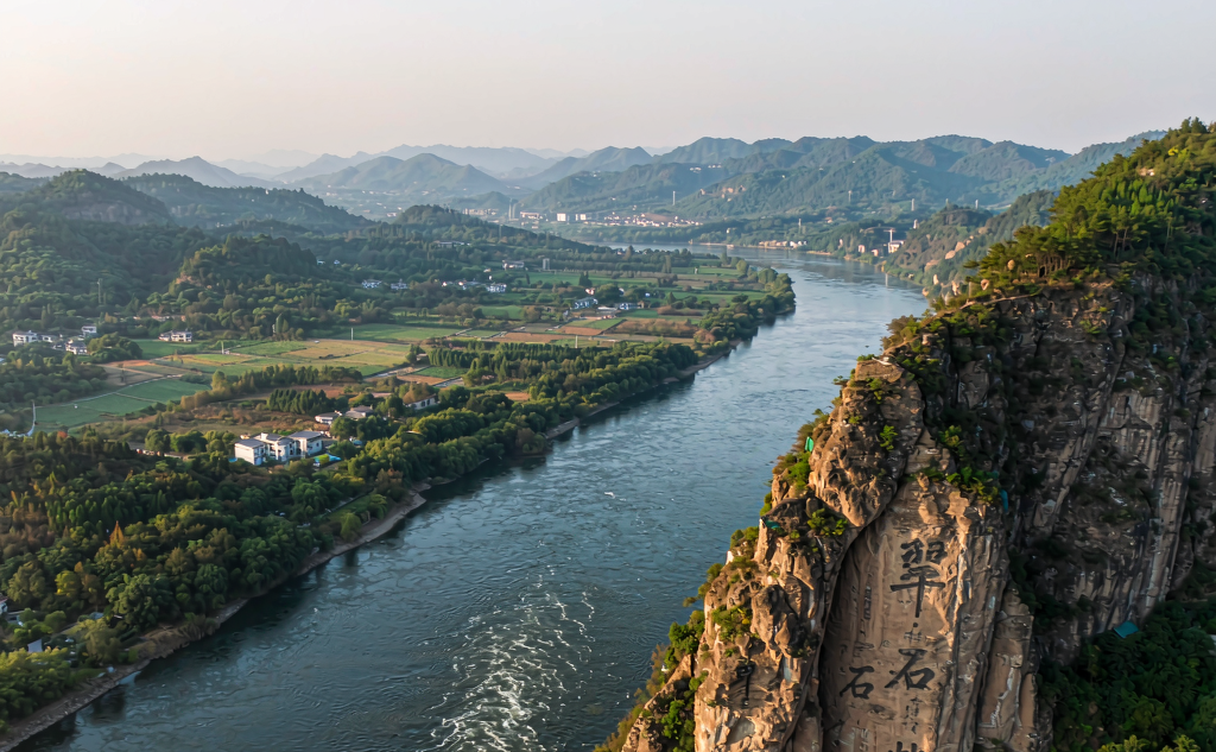
Caishi Cliff (Caishiji). This is the headline. The cliff rises sharply from the Yangtze, and a cluster of pavilions, temples, and stairways lets you look out over one of the river’s most dramatic bends. On a clear day the water stretches to the horizon; at sunset the whole face glows. Caishi Cliff Ma’anshan has been a literary pilgrimage site since the Tang dynasty, and the engraved poems on the rock face are part of the experience. The legend ties the site to the great poet Li Bai, whose life and work you can explore on Li Bai’s Wikipedia page.
The Poet’s Town atmosphere. Ma’anshan leans into its literary heritage with sculptures, themed parks, and seasonal events celebrating classical poetry. Even if you don’t read Chinese, the riverside promenades and the relaxed café culture make for an easy half-day.
Zhe Shan (Iron-foe Mountain) Park. A green hill in the city center with temples, a small zoo, and sweeping views over the rooftops and the river beyond. Locals use it for morning exercise; visitors get a free orientation of the layout.
The Yangtze riverfront. Beyond the cliff, the rebuilt waterfront offers walking paths, public art, and a sense of how a working port city lives today. Evening is the best time, when the lights come on and families gather.
Ma’anshan Food
As a river city on the Anhui–Jiangsu border, Ma’anshan food borrows from both sides. Expect fresh Yangtze fish prepared simply — steamed, braised in soy, or made into a fragrant soup. The nearby water also supplies river shrimp and crab in season. Street snacks lean sweet and savory: sesame cakes, steamed buns, and grilled skewers near the night markets.
The city is also proud of its tea culture, with green teas grown in the surrounding hills. A pot of local leaf after a cliff walk is the kind of small pleasure that defines the place. If you want to extend the culinary thread into the mountains, our Huangshan Yellow Mountain guide pairs naturally with a Huizhou-style meal.
A word on etiquette: tipping is not expected, and haggling is mild at best in established shops. Pointing at what looks good and smiling gets you surprisingly far.
Best Time to Visit Ma’anshan
The best time to visit Ma’anshan is spring and autumn, when the Yangtze breeze is gentle and the cliff views are clear. Our broader best time to visit China guide explains how these windows shift across regions. Summers are hot and can be muggy, while winters are cold but rarely severe. The riverfront festivals tend to cluster in the warmer months, so check local listings if you want poetry readings or lantern events.
A Side Trip on the Grand Canal
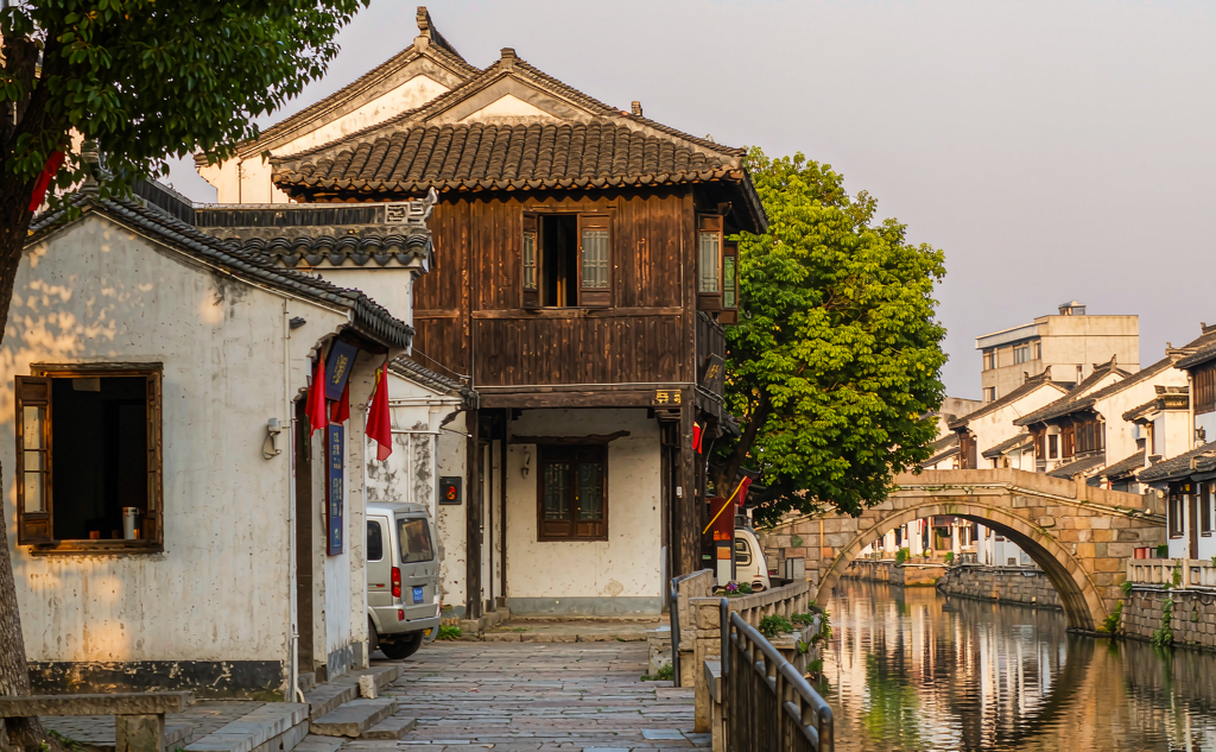
Ma’anshan also sits within easy reach of the great waterway that knit imperial China together. If the river theme appeals, our China Grand Canal travel guide outlines towns where you can still ride the slow current of history. It pairs well with a Ma’anshan stop, since both are stories of how water shaped Chinese life.
Where to Stay and How Long
Ma’anshan is a one- to two-night destination. Hotels range from international-branded towers downtown to smaller riverside guesthouses. Staying near the riverfront puts the cliff within walking distance and keeps evenings pleasant. Two days lets you do the cliff, the old town, and a relaxed meal without rushing.
A Suggested Itinerary
Day one: arrive from Nanjing, check in, and walk the riverfront as the light softens. Dinner on river fish and local tea. Day two: spend the morning at Caishi Cliff and the poetry parks, lunch in the old town, then an afternoon train toward Huangshan if the mountains call.
Practical Tips for Visitors
Ma’anshan is compact enough that logistics rarely stress you out. English is limited outside hotels, so an offline map and a translation app are worth loading before you arrive. The cliff site charges a modest entrance fee and involves a fair number of stairs, so wear proper shoes and carry water in summer. The center has plenty of ATMs and convenience stores, and mobile payment through Alipay or WeChat Pay is the default — setting up a tourist-friendly payment method in advance saves fiddling later.
If you are day-tripping from Nanjing, travel light; both stations offer luggage storage if you need it. Trains run frequently but fill on public holidays, so book your return leg early in the day. Give the riverfront the evening it deserves — that is when Ma’anshan feels least like a transit stop and most like a place with its own quiet rhythm.
Why Visit Ma’anshan
Ma’anshan rewards travelers who like their scenery with a story. The cliff is genuinely dramatic, the river is alive, and the poetry heritage gives every viewpoint a second layer of meaning. It is close enough to Nanjing to be effortless and distinct enough to feel like a discovery.