

Most visitors come to China for the Wall or the pandas and leave without knowing the country has a waterway older and longer than anything in Europe. The Grand Canal, running from Beijing in the north down to Hangzhou in the south, is the world’s longest human-made canal and a UNESCO site in its own right. This China Grand Canal travel guide covers the cities worth visiting, where you can actually ride the water, and how the modern rail network makes the whole thread easy to follow.
Beijing Hangzhou canal history for travellers
The “Beijing Hangzhou canal history for travellers” angle is worth a quick grasp because it changes how you see the towns along the way. The canal was dug in sections over more than a thousand years, finally linked under the Sui dynasty, and for centuries it moved grain from the rich south to the capital up north. The cities it touched grew fat on that trade, and you can still read the wealth in their bridges, gardens, and merchant lanes.
What this means practically: the canal is not one scenic ribbon you float down start to finish. Large stretches are working water, not tourist rides. The fun parts are the historic cores of the cities it passes through, each preserving a slice of canal life. Think of it as a string of pearls rather than a single ribbon, and plan city by city.
Grand Canal cities to visit
The standout stops, north to south, are Beijing, Cangzhou, Yangzhou, Suzhou, and Hangzhou, with smaller gems like Taizhou in Jiangsu between them. Each has a different personality, which is what makes a canal route more interesting than another museum crawl.
Hangzhou is the southern terminus and the easiest to love. The canal joins the city’s famous West Lake culture, and the Gongchen Bridge area preserves old warehouses now turned into museums. Our Hangzhou travel guide covers how to combine the canal stretch with the lake and the tea hills in a sane day or two.
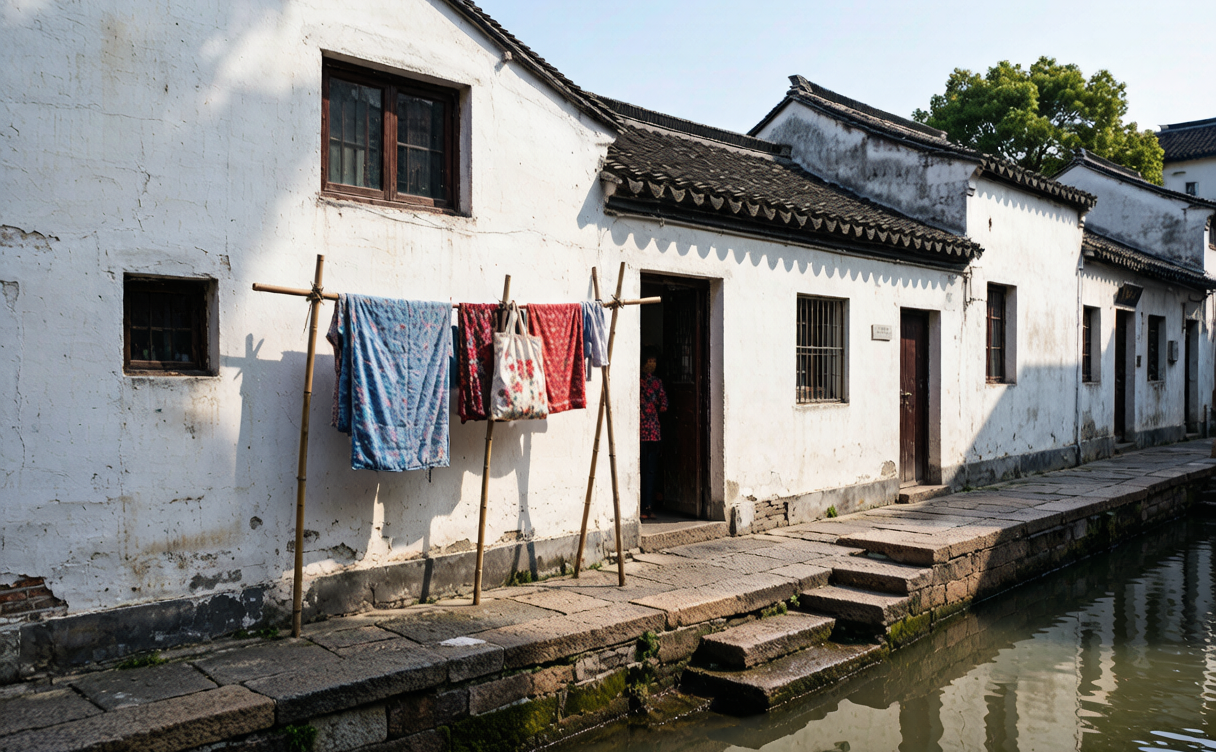
Suzhou is the canal city people actually picture: whitewashed houses, stone bridges, and narrow water lanes where boats still ease past laundry poles. The historic canals here are the most photogenic in the country. Our Suzhou travel guide maps the garden-and-canal combo that defines the town.
Yangzhou sits a short hop from Suzhou and feels sleepier and more literary, famous for its gardens and morning tea culture. Cangzhou, in Hebei, is rougher and less polished but genuinely old, with canal sections and a martial-arts heritage few tourists know. Taizhou in Jiangsu is often skipped, yet its old quarter and canal remnants make a calm half-day between the bigger names.
Grand Canal boat ride Hangzhou and beyond
The question everyone asks is where the actual riding happens. The “Grand Canal boat ride Hangzhou” experience is the most accessible: short tourist boats run along the restored northern section, especially around the Gongchen Bridge and the night-light stretch, which is genuinely pretty after dark.
Suzhou offers the best atmospheric rides, short hops through the inner canals in a small wooden boat, the kind where the oarist paddles you under low bridges past kitchen windows. These are not grand voyages, they are ten- to twenty-minute glides, but they capture the canal’s everyday poetry better than anything else.
Long-haul canal cruises barely exist for tourists, and the ones advertised are usually short themed trips on restored sections rather than multi-day voyages. Manage expectations: this is a city-and-canal experience, not a river cruise. If you want a boat, take the short rides in two or three cities rather than hunting for one epic journey.
Canal towns itinerary China
A clean “canal towns itinerary China” runs south from Beijing by high-speed rail, hopping the historic cores. A realistic shape:
- Beijing: see the canal’s northern echo at the Tonghou section, then take the rail south.
- Cangzhou: a half-day for the old canal and local character.
- Yangzhou: a full day, gardens and morning tea.
- Suzhou: two days, gardens plus the inner-canal boat.
- Hangzhou: two days, canal north plus West Lake.
That is roughly a week if you move, or ten days if you linger. The rail links make it painless, because every one of these cities sits on a major high-speed line.
Rail links make it easy
This is the part that surprises people. The Grand Canal predates trains by a millennium, but today the high-speed network shadows it almost perfectly, so you can trace the water by rail without a car. Our China high-speed train guide for foreigners explains how to book seats, use the apps, and read the station boards, which is the one skill that turns this route from stressful to smooth.
The trains between these cities are frequent and fast, often under an hour between neighbors. That means you can base yourself in one hub, say Suzhou or Hangzhou, and day-trip to the others, or do the full southbound crawl with light luggage. Either way, the canal route is far more about the rail rhythm than any single boat.
Why the canal beats the usual circuit
The classic China trip is Beijing, Xi’an, Shanghai. The canal route swaps Shanghai’s skyline for something older and quieter, a chance to see how the country actually moved its wealth and food for a thousand years. It suits travelers who have done the headline sights once and want a second trip with more texture, or first-timers who prefer towns to megacities.
It also pairs well with the water towns of the Yangtze delta, those tiny preserved villages that are essentially canal culture in miniature. If you like one, you will like the other, and they sit close enough to combine.
Practical tips
A few things that keep a canal trip pleasant. First, the best canal light is early morning and just after sunset, so time your boat rides for those windows. Second, the historic cores are walkable but the cities themselves are large, so book lodging near the old town, not the far suburbs. Third, carry small cash for the tiny boat operators and teahouses in the older lanes, because not every paddle-boat takes a card.
Finally, do not try to see the whole canal. Pick three or four cities that fit your rail pass and your energy, and treat the water as a theme connecting them rather than a destination you must complete.
The official side
For the authoritative background on the canal’s inscription and conservation, the UNESCO World Heritage Centre holds the official file on the Grand Canal, including the criteria and the mapped sections. It is the cleanest place to confirm which stretches are protected and why, before you start plotting your own route.
Wrapping up
A China Grand Canal travel guide is really an invitation to slow down. The Wall shouts; the canal murmurs. Follow it by rail from Beijing to Hangzhou, ride the short boats where they exist, and let the whitewashed lanes and stone bridges do the talking. You will leave with a sense of how China actually worked for a thousand years, not just how it looks in the postcards.