

If you want a trip that feels like it matters, planning around UNESCO sites is a smart shortcut. China has one of the longest lists in the world, and the mix of imperial palaces, sacred mountains, and strange natural landscapes means almost any route can include at least one. This China UNESCO world heritage guide covers the headline sites, answers the “how many” question, and shows you how to chain them into a route that does not turn into a marathon.
How many world heritage sites in China
The number moves slightly as new inscriptions land, but China sits near the top of the global list with more than fifty properties, split between cultural, natural, and mixed sites. That breadth is the point: you can stand in a 600-year-old palace one day and a misted limestone peak the next, both carrying the same UNESCO tag.
For travelers, the list is less a checklist than a filter. When two cities are otherwise equal in your plan, pick the one with a heritage site. It almost always means better preservation, clearer signage, and an experience that survives the memory longer than another generic shopping street.
Best UNESCO sites in China for tourists
Not every inscribed site is visitor-friendly. Some are remote archaeological zones with little to see. The ones below are the ones I actually send people to, because they are impressive and reachable.
The Forbidden City in Beijing is the obvious start. It is the largest imperial palace complex on earth and the easiest heritage site to slot into any first-time China trip. Tickets are timed and sell out in peak season, so our Forbidden City guide and tickets walks through how to book the right window and what to prioritize inside the sprawl.
The Terracotta Warriors near Xi’an are non-negotiable for most itineraries. Seeing the ranks of figures in person is one of those travel moments that earns the hype. Our Xi’an Terracotta Warriors visit guide covers the logistics that keep the day smooth, from the drive out to the on-site routing.
For nature, Mount Huangshan, the Yellow Mountains, delivers the classic Chinese landscape painting in real life: granite peaks, twisted pines, and a sea of clouds if you are lucky. Our Huangshan Yellow Mountain guide breaks down the cable cars, the sunrise spots, and where to sleep so you are not crushed by day-trippers.
The odd one: Fujian Tulou
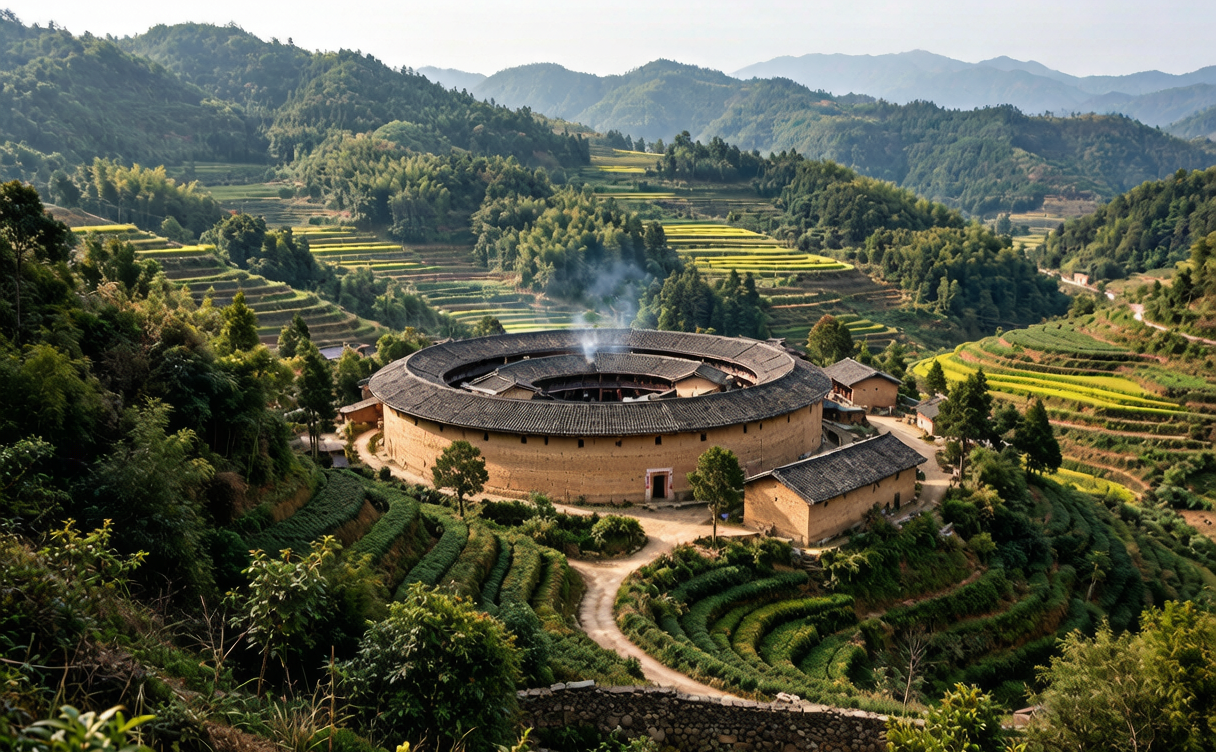
The earthen round towers of Fujian are my favorite “nobody expects this” UNESCO site. These massive rammed-earth communal homes, some housing hundreds of people, look like something from another planet and sit quietly among rice and tea terraces. They are a longer haul from the main cities, but if your route touches the southeast, they are worth the detour.
World heritage sites near Beijing
If your time is short and Beijing is the hub, you are in luck. Beyond the Forbidden City, the Temple of Heaven, the Summer Palace, and the nearby Ming Tombs all carry the tag, and the Great Wall sections at Badaling and Mutianyu are inscribed too. That means a traveler based in the capital can tick off several heritage sites on day trips alone.
The practical move is to treat Beijing as your heritage base and build outward. A common first China trip is Beijing, Xi’an, and maybe a mountain, which already strings together three or four inscribed sites with minimal backtracking. Where a combined attraction pass exists, grab it, because the palace-and-garden cluster can otherwise drain your wallet faster than the sights drain your legs.
China heritage site itinerary ideas
Here is how I would route a heritage-focused trip depending on your days:
- One week, first timers: Beijing (Forbidden City, Great Wall, Summer Palace) plus Xi’an (Terracotta Warriors). Two cities, four major sites, easy high-speed rail between them.
- Two weeks, mixed culture and nature: Add Huangshan after Xi’an, then drift down to the water towns of the Yangtze delta for a train-friendly loop.
- Three weeks, deeper: Fold in the Fujian Tulou or head west to the karst and rice-terrace landscapes for the unmissable few.
China natural heritage sites list highlights
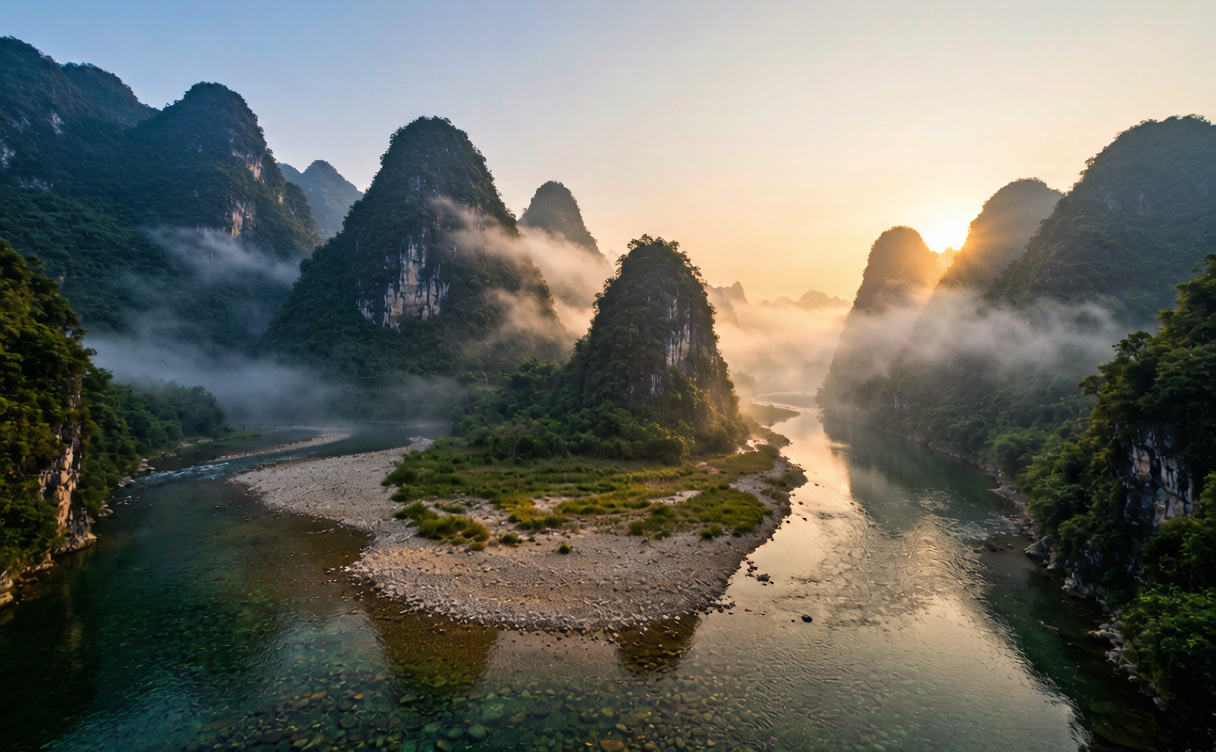
The cultural sites get the attention, but China’s natural inscriptions are the ones that surprise visitors. Beyond Huangshan, there is the karst scenery of Guilin and Yangshuo, the Jiuzhaigou valleys with their layered turquoise lakes, and the Zhangjiajie sandstone pillars that inspired the floating mountains in a certain film. These are the places where the “world heritage” tag genuinely means “you cannot see this anywhere else.”
A useful planning habit: pair a natural site with a nearby cultural one so a region gives you both flavors. Guilin’s karst and the minority villages nearby, or Huangshan’s peaks and the ancient villages at its foot, are classic combos that make a route feel complete rather than lopsided.
Timing matters as much as the pairing. The headline sites are crowded year-round, but the weeks just after the major holiday peaks, late April or mid-November, are noticeably calmer and the light for photography is often better. If a site is on your must-list, build the rest of the route around its quietest window rather than fighting the crowds on a fixed date.
Practical tips for heritage-site days
A few things that smooth out the actual visiting. First, almost every major site now uses timed entry, so buy tickets online before you arrive. Second, the big sites are huge, and the mistake travelers make is underestimating walking time. The Forbidden City alone is a half-day if you move. Third, hire the audio guide or a local guide at the door. These sites carry centuries of context, and without it you are staring at old stones.
Photography is allowed at most, but drones are banned at nearly all heritage sites, including the Great Wall and palace complexes. Leave the drone in the bag or risk having it confiscated.
The official list
For the definitive, current register, the UNESCO World Heritage Centre hosts China’s official state-party page with every inscribed property, the year of inscription, and the criteria used. If you want to build a route straight from the source rather than a blog’s opinion, that is the page to bookmark.
Wrapping up
A China UNESCO world heritage guide is really a guide to spending your limited days on the things that last. You will not remember every noodle shop, but you will remember standing in the Forbidden City’s courtyards or watching cloud pour over a Huangshan ridge. Pick three to five sites that fit a clean route, book the timed tickets early, and let the rest of the trip fill in around them.