

Eating in China is one of the best parts of any trip, but if you have a food allergy it is also the part that keeps you up at night. Restaurants here cook fast, share oil, and use ingredients like peanuts, sesame, and wheat in ways that surprise visitors. This China food allergies guide is built from the practical side of traveling with restrictions: what cards to carry, which dishes are usually safe, and how to actually get your message across when nobody at the table speaks English.
Start with a translation card, not a phone app
The single most useful thing you can pack is a printed allergy card in Chinese. Do not rely on your phone alone. Many smaller restaurants have patchy wifi, and a dead battery at dinner is not the moment to discover you cannot explain a nut allergy in Chinese.
The card should state your allergy plainly, list what to avoid, and say the dish must be cooked separately. Keep it short and specific. “I have a severe peanut allergy. No peanuts, no peanut oil, no sauces containing peanuts. Thank you.” works better than a long paragraph. Carry several copies and hand one to the server the moment you sit down, before you look at the menu.
If you want the exact phrases and a printable template, our China Mandarin phrases for travelers resource includes the wording locals actually understand, which is different from what a literal translator gives you.
How to say no peanuts in Chinese
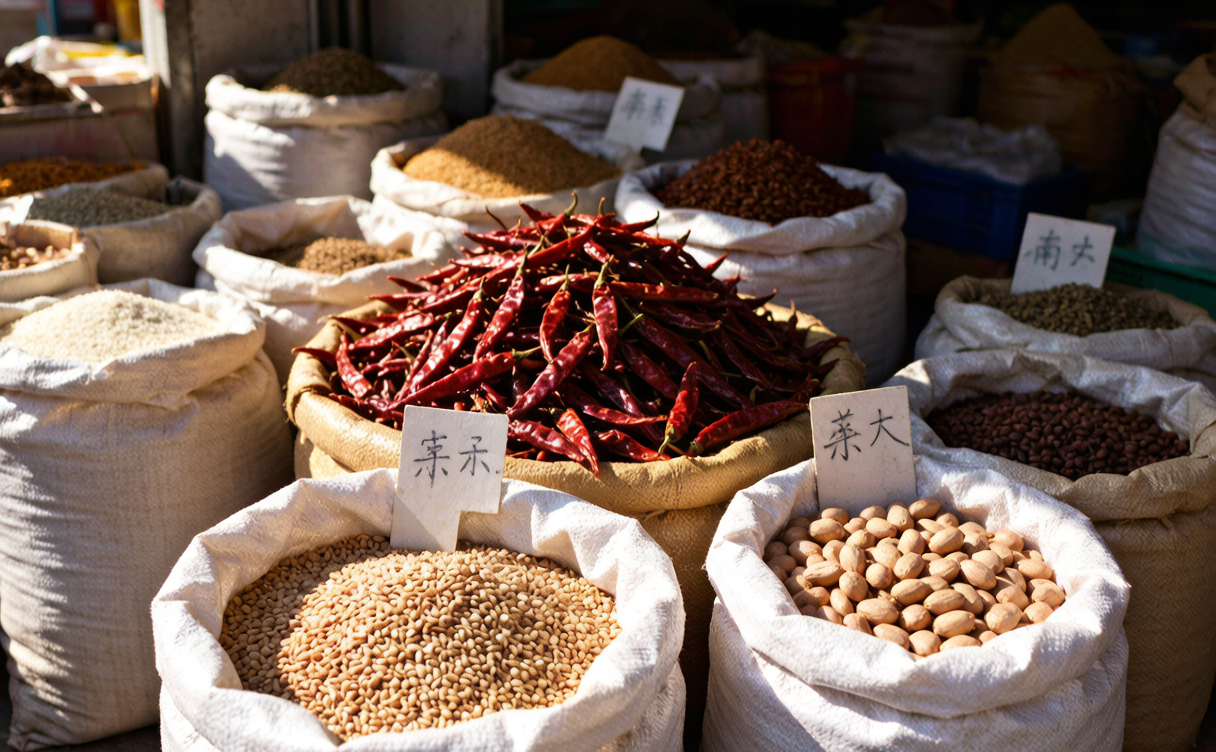
Peanut and peanut oil show up constantly, often in dishes that look innocent. Kung pao chicken, many noodle sauces, and a surprising number of stir-fries use peanut oil as the default cooking fat. So learning “how to say no peanuts in Chinese” is the highest-value phrase in this whole guide.
The line that works: “请不要用花生油,我花生严重过敏” (Please do not use peanut oil, I have a severe peanut allergy). Say it slowly and point at your card. The word for peanut is 花生 (huā shēng) and for allergy 过敏 (guò mǐn). If the server looks unsure, that uncertainty is your signal to switch restaurants rather than hope for the best.
For everyday ordering mechanics, our how to order food in China app guide explains the menu-scanning tools that let you filter by ingredient, which is a quiet lifesaver when the card alone feels like a gamble.
Gluten free travel in China
Gluten free travel in China is hard but doable. The problem is not wheat itself, it is that soy sauce, a backbone of Chinese cooking, is usually brewed with wheat. Even a bowl of plain-looking vegetables can carry gluten through the sauce.
Your safest friends are steamed dishes: steamed fish with ginger and scallion, plain rice, and boiled greens with a squeeze of oil rather than a poured sauce. Ask for “不放酱油” (no soy sauce). Rice noodles (米粉, mǐ fěn) and glass noodles (粉丝, fěn sī) made from mung bean or sweet potato are naturally gluten free, but confirm they were not cooked in the same water as wheat noodles. Hot pot, where you control what goes in the broth, is also a reasonable option if you pick a clear, non-sauce base.
Nut allergy China restaurants: the hidden ones
Beyond peanuts, tree nuts and seeds sneak in. Sesame is everywhere, painted onto noodles and hidden in pastes. Almonds and cashews appear in certain regional sweets and some vegetable stir-fries. A “nut allergy China restaurants” plan needs to name each nut, because staff may think “no nuts” means only peanuts.
Be explicit on the card: peanuts, tree nuts, sesame. Sesame (芝麻, zhī ma) deserves its own line because it is so common and easy to miss. If a dish is finished with a sprinkle of seeds, say so is off the table.
Dairy free food China
The good news: dairy free food China is easier than in Europe. Traditional Chinese cooking uses almost no milk, butter, or cheese. The exceptions are modern cafes, some breads, and a few creamy hot-pot broths or milk tea drinks. Plain restaurant food, rice, noodles, vegetables, and meat dishes are usually dairy free by default.
Watch the desserts and the bubble tea. Milk tea (奶茶, nǎi chá) obviously contains dairy unless you ask for the fruit-tea version. Western-style bakeries use butter and milk liberally. If dairy is your only restriction, you will eat well with barely a second thought, which is a relief after the peanut and gluten juggling.
For plant-based travelers more broadly, our China vegetarian and vegan food guide maps out the Buddhist-influenced dishes that are naturally free of meat and often free of the major allergens too.
Safe dishes to default to
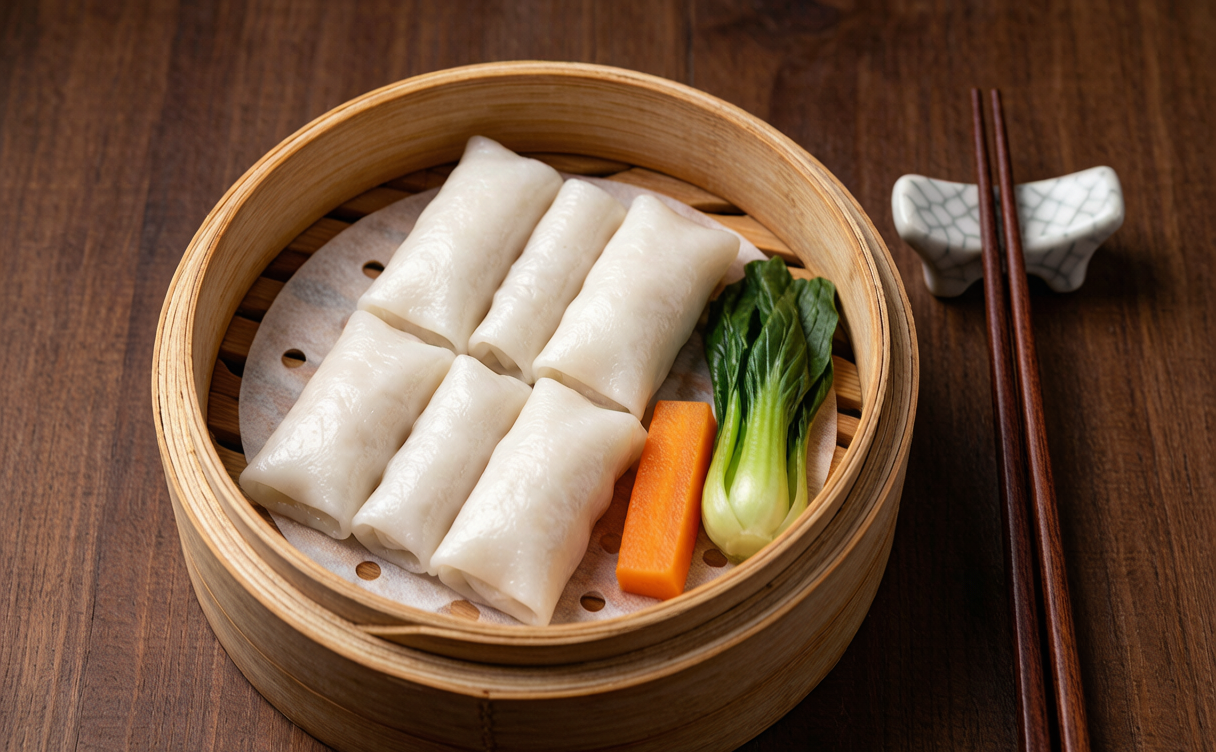
When in doubt, these are the dishes I point travelers toward because the ingredient list is short and visible:
- Steamed fish with ginger, scallion, and a light oil (confirm no soy if gluten is the issue).
- Plain congee (rice porridge) at breakfast, held plain without the fried dough stick.
- Boiled or quickly blanched greens with a separate small dish of plain oil.
- Rice noodles in a clear broth you watch get assembled.
- Fruit plates, which are a safe, refreshing end to a meal almost everywhere.
None of these are exciting, but boring food is exactly what you want when an allergy is on the line. Save the adventure for a day when you have a trusted local with you.
What to do if something goes wrong
Despite your best planning, reactions happen. Know where the nearest hospital is before you need it, carry your medication on your person rather than in checked luggage, and wear a medical ID if your allergy is severe. Scope out an English-speaking clinic near your hotel, and read up on travel insurance and local emergency numbers before you fly so a reaction does not become a panic.
Religious and cultural diets
Some travelers avoid certain foods for faith reasons rather than allergy. Halal options are widely available in many Chinese cities, especially in the north and northwest, and certified restaurants are marked with clear signage once you know what to look for, so you are not guessing.
The official word on food safety
For travelers wanting the government’s stance on hygiene standards and tourist food safety, the China National Center for Food Safety Risk Assessment publishes official guidance in Chinese and is the authoritative source if you want to read the rules behind the kitchens. It will not replace a translation card, but it tells you the standards restaurants are meant to meet.
Wrapping up
A China food allergies guide can sound scary, but thousands of allergic travelers eat their way across the country every year without incident. The system that works is simple: carry a clear card, name every allergen including sesame, default to steamed and plain when unsure, and walk away from any kitchen that hesitates. Do that, and the food will still be the highlight of the trip.