

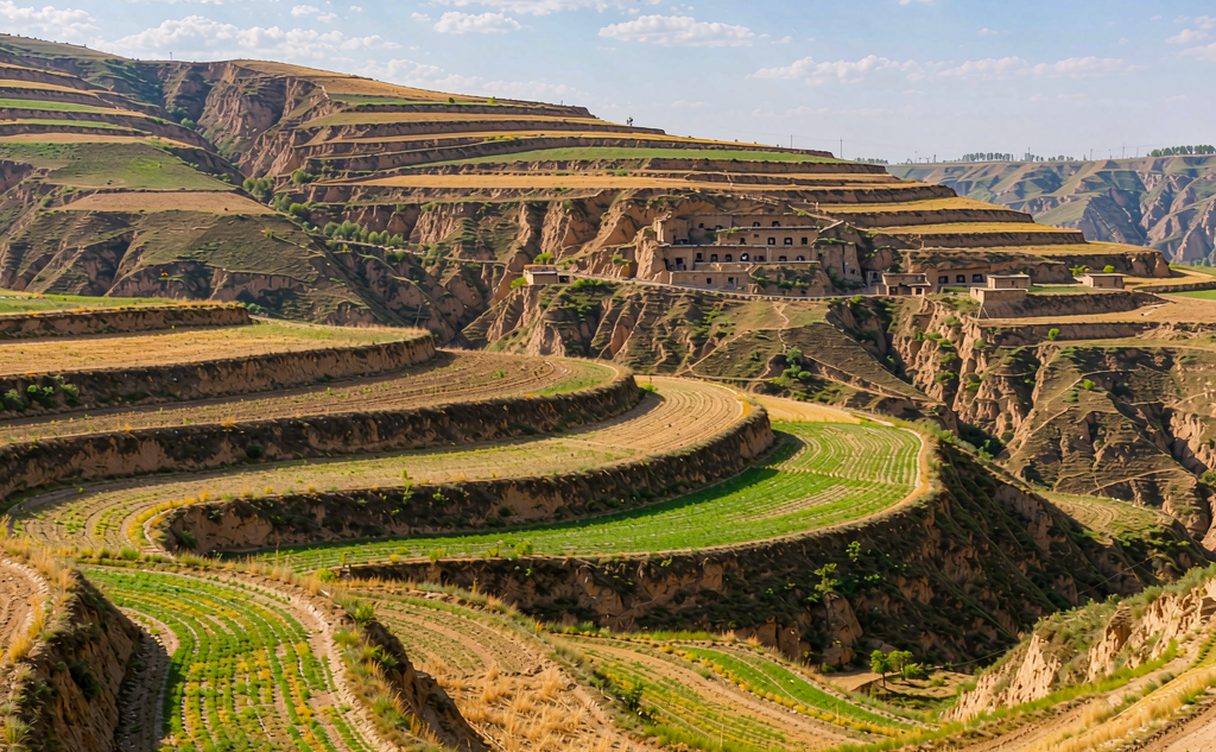
Guyuan sits in the southern stretch of Ningxia Hui Autonomous Region, where the dry Loess Plateau rises into the green shoulders of Liupan Mountain. This small city almost never appears on first-time China itineraries, yet it holds a layered past as a Silk Road garrison town, a summer retreat for emperors, and a frontier where Han, Hui, and Tibetan cultures met and traded. A good Guyuan travel guide has to balance the easy sights inside the city with the cooler, forested slopes that begin an hour’s drive to the west.
Most travelers reach Guyuan as a side trip from Yinchuan, the regional capital three hours north by road or rail. The payoff is a change of scenery and tempo. Summers here stay around 20°C, which makes the city a genuine escape from the heat that presses on the rest of Ningxia. The urban core is compact and walkable, with a handful of museums that explain its role on the ancient trade routes and a night market that comes alive after dark.
Why Guyuan deserves a stop
Guyuan is not a place you fly across the world to see on its own. It works as a deliberate detour for travelers who have already booked Yinchuan and want to add altitude, forest, and quiet to a Ningxia loop that would otherwise be all desert and tombs. The city rewards slow travel: you can spend a morning in a museum, an afternoon on a mountain trail, and an evening eating skewers by the old wall without ever fighting a crowd.
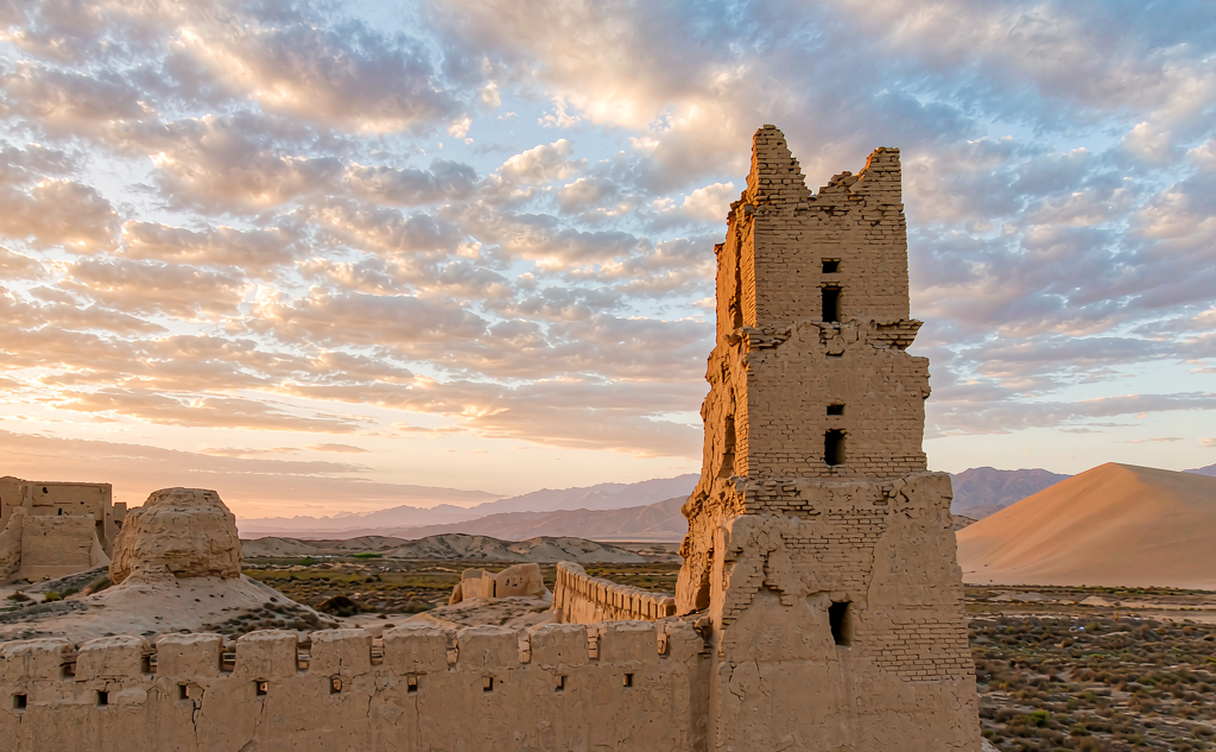
The frontier history is the hook. Guyuan guarded a key crossing of the northern Silk Road, and the tombs excavated around the city have produced some of the finest Tang dynasty gold and silver ware found in China. Those objects now sit in the local museum, and they tell a story of a town wealthy enough to bury its dead with imported luxuries from Persia and Central Asia.
Things to do in Guyuan
The standout sight inside the city is the Guyuan Museum, also called the Ningxia Southern Frontier Museum. Its centerpiece is the Tang dynasty silver and gold excavated from the nearby Duobaotu tombs, including a gilded silver ewer shaped like a legendary beast. Allow two hours. The labels are mostly in Chinese, so a translation app helps, but the craftsmanship speaks for itself.
Liupan Mountain is the reason many visitors make the trip at all. The ranges climb past 2,900 meters and carry thick stands of birch and spruce, with plank walkways that follow the ridgelines and lookouts that open onto wave after wave of green hills. In summer the high meadows fill with wildflowers, and the air smells of resin and damp earth. The mountain also carries modern memory: a memorial near the summit marks the Red Army’s crossing during the Long March. You do not need to engage with that history to enjoy the trails, but the placards are there if you want the context.
For a gentler day, the Qingxi River valley on the eastern flank of Liupan offers easy walks and a few small temples tucked against the cliffs. Locals come on weekends to picnic; on a weekday you will likely have the paths to yourself.
The Guyuan Silk Road story continues a short drive from the city at the Xumishan Grottoes, where Tang-era Buddhist carvings line a sandstone cliff above the river. These are among the finest cave sculptures in northwest China and deserve half a day. Our Xumishan Grottoes Ningxia guide covers how to reach them and what to look for once you are there.
Best time to visit Guyuan
The best time to visit Guyuan is late May through early October. June and July are the greenest months, with the mountain resorts at their busiest during Chinese public holidays but nearly empty otherwise. September brings clear skies and the first touch of autumn color on the birch groves. Winter is cold and grey, with many mountain facilities closed, so plan a warm-season trip unless you specifically want empty roads and snow underfoot.
If you want wildflowers and the most comfortable hiking, aim for the last two weeks of June or the first half of July. If you prefer crisp air and photography, late September is hard to beat. Avoid the first week of October, China’s National Day holiday, when domestic tourists flood every scenic area in Ningxia.
How to get to Guyuan
How to get to Guyuan is straightforward if you start from Yinchuan. High-speed trains reach Guyuan West Station from Yinchuan in roughly three hours, and the new station sits close enough to the center that a taxi into town costs little. Check our China high-speed train guide for foreigners for booking tips, ID requirements, and how to read a Chinese train ticket.
Long-distance buses also run, but the train is faster and more comfortable, and it spares you the winding plateau roads. If you are arriving from Gansu or Shaanxi, you can also reach Guyuan by bus from Pingliang or Tianshui, though the rail connections through Yinchuan are usually simpler to plan.
Pairing Guyuan with the rest of Ningxia
A natural plan is to spend two nights in Guyuan, then return north to Yinchuan for the Western Xia Tombs and the dune edge at Shapotou. That gives you mountain, museum, and desert in one loop without long drives. Our Yinchuan travel guide explains where to base yourself in the capital, and the Ningxia Western Xia Tombs guide walks you through the pyramid-like mausoleums of a dynasty that left no written history.
For travelers building a longer route, the Shapotou desert guide shows how to ride the Yellow River on a sheepskin raft, and our China Silk Road itinerary strings these Ningxia stops together with Gansu and Xinjiang, China for a multi-week journey.
A practical two-day itinerary
Most visitors give Guyuan two nights, and that is enough to cover the highlights without rushing. Day one belongs to the city and its museum. Arrive on a mid-morning train, leave your bag at the hotel, and spend two hours in the Guyuan Museum while your energy is fresh. Have lunch near the old city wall, then take a taxi to the lower slopes of Liupan Mountain for a short forest walk. You do not need to reach the summit to enjoy the birch and spruce.
Day two is for the Guyuan Silk Road carvings at Xumishan, about 90 minutes each way by hired car or tour. Plan three to four hours there, including the cliffside walk, then return for an early dinner. If you keep a third morning free, the Qingxi River valley makes a gentle walk before your train north to Yinchuan. This slow pacing suits the altitude and leaves margin for July heat or September cold snaps.
Trains back to Yinchuan run through the evening, so you can linger over dinner. Arrange the Xumishan car the day before, since drivers near the station quote varied rates and a fixed plan avoids confusion at the platform.
Where to stay and eat
Guyuan has a workmanlike hotel supply: a few national-chain properties near the train station and smaller guesthouses in the center. Book ahead during the July summer rush. Food leans Hui and northern Chinese. Try hand-pulled lamian, beef with cumin, and the local guokui flatbread cooked on a griddle. The night market near the old city wall fires up after dark with skewers, sweet fried pastries, and bowls of cold noodles.
For a longer stay, the foothill resorts on the Liupan escarpment trade the city bustle for cooler air and simple rooms that fill with Ningxia families in July. Rates are modest, and the setting makes a quiet base if you want to hike at first light rather than commute from town.
Practical notes for visitors
Guyuan sits at altitude by Chinese plains standards, so take it easy on your first hike and drink plenty of water. English signage is limited, so download an offline map and a translation app before you arrive. Cash is useful at small stalls that do not take foreign cards, though mobile payment dominates in the cities. The city is safe and relaxed after dark, and locals are curious and friendly toward foreign visitors.
The UNESCO World Heritage listing for the Silk Roads, which includes related routes and sites across northwest China, offers useful background on the trade corridors that once ran through Guyuan: https://whc.unesco.org/en/list/1442/