

The Silk Road is the trip that turns China from a list of cities into a story. For two thousand years caravans carried silk, jade, and ideas between the heart of China and Central Asia, and the route still reads like a highlight reel of the country’s west. A China Silk Road itinerary from Xi’an to Kashgar takes you through garrison towns, Buddhist cave temples, desert oases, and Uyghur market cities, with the landscape growing drier and more dramatic at every stop. This guide lays out the route segment by segment so you can build a realistic plan, book the trains, and know what each stop actually delivers. It assumes your visa is sorted and you have a rough idea of how to get to China, and it focuses on the overland logic that makes the west work.
Why Follow the China Silk Road Itinerary
Most visitors to China never leave the east, which means the west stays uncrowded and genuinely different. You trade skyscrapers for fort walls, and Mandarin gives way to a dozen languages in the bazaars. A Silk Road China itinerary also strings together UNESCO sites and some of the best food in the country, from Xi’an noodles to Xinjiang, China kebabs. The distances are long, so the trick is to fly the big gaps and train the short ones, which keeps your China itinerary efficient without missing the slow, overland feel.
The China Silk Road Route, Segment by Segment
Xi’an — Where the Road Begins
Spend two days on the Terracotta Army, the city wall, and the Muslim Quarter, then catch an evening train west. Xi’an is the natural starting line because it was the eastern terminus of the ancient trade route.
Lanzhou — The Yellow River Stop
A half day here is enough: the riverfront, the Gansu Provincial Museum, and a bowl of hand-pulled beef noodles. It is mostly a transit hub, but a useful one for breaking the long haul.
Zhangye — Rainbow Mountains
Allow a full day for the Danxia landforms, the striped “rainbow mountains” that glow at sunset. Add the giant sleeping Buddha at the nearby temple if time allows.
Dunhuang — Caves and Singing Sands
Two days minimum. The Mogao Caves are a UNESCO World Heritage site and the single best reason to come this far west — a thousand years of Buddhist art cut into the cliff face. Ride a camel at Crescent Lake and watch the dunes shift color at dusk.
Turpan, Xinjiang, China — Oasis and Ruins
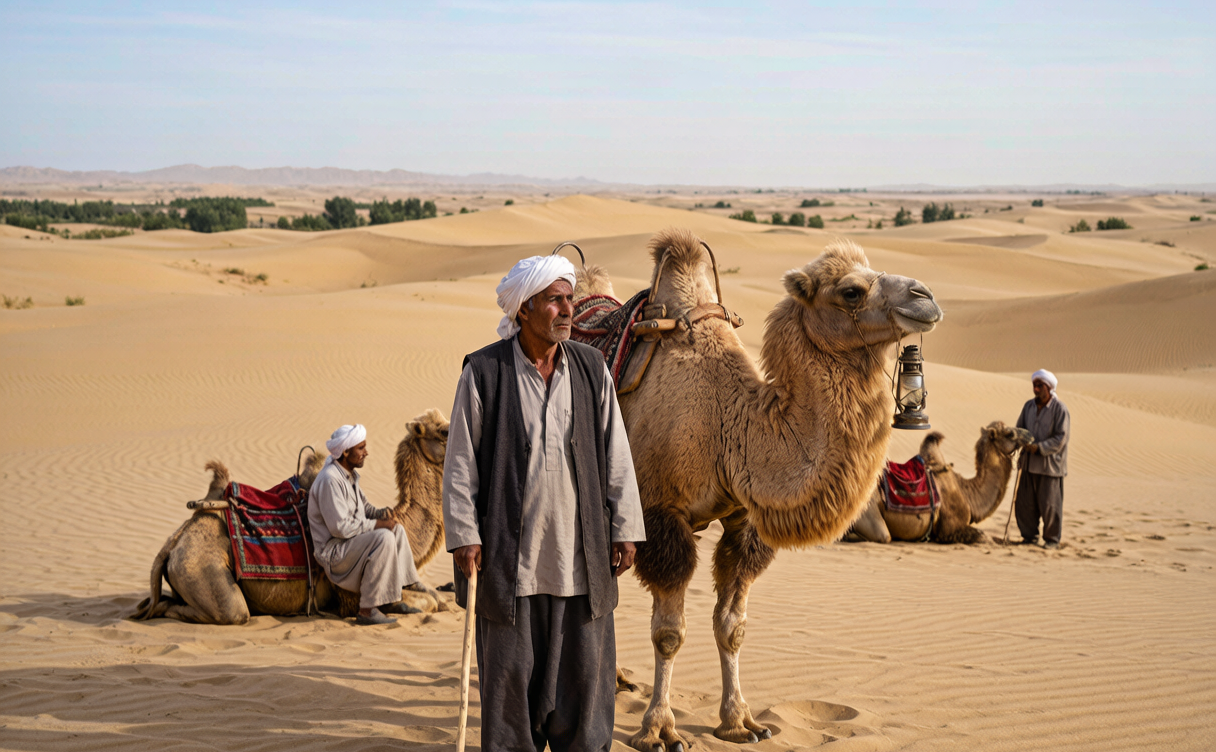
The train from Dunhuang crosses into Xinjiang, China and drops you in a below-sea-level oasis. See the ruined Gaochang city, the vertical karez irrigation channels, and the Grape Valley. Summer is brutally hot, so spring and autumn are the time to come.
Urumqi, Xinjiang, China — The Regional Hub
Use a day here to refuel and visit the regional museum in Urumqi, Xinjiang, China, then push on. Urumqi, Xinjiang, China is the jumping-off point for the north and south routes and has the best flight connections in the west.
Kashgar, Xinjiang, China — The Western End
Two or three days in Kashgar, Xinjiang, China reward you with the old town’s mud-brick lanes, the Sunday livestock market, and the gateway feel of a true frontier city. From here the road continues into Central Asia, but for most travelers this is where the China Silk Road route reaches its satisfying conclusion.
A Sample China Silk Road Itinerary (12 Days)
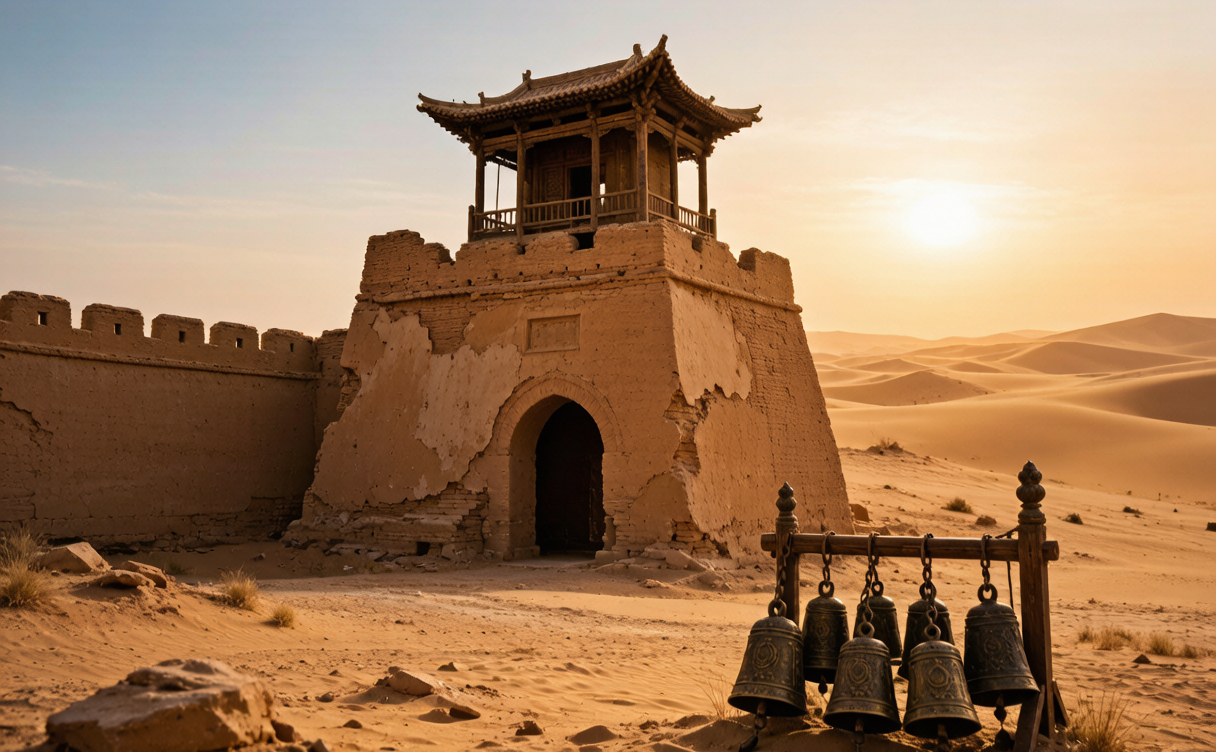
Here is a realistic day-by-day shape that most travelers can actually follow, with time built in for delays. Days 1 and 2 stay in Xi’an: the Terracotta Army, a bike ride on the city wall, and the Muslim Quarter after dark. Day 3 is a half-day in Lanzhou, enough for the riverfront and a bowl of hand-pulled noodles before you push west. Day 4 takes the train to Zhangye so you reach the Danxia rainbow mountains for sunset, when the stripes glow hardest. Days 5 and 6 belong to Dunhuang, with the Mogao Caves booked for the morning and the singing sands and Crescent Lake saved for the cooler evening. Day 7 crosses into Xinjiang, China and reaches the below-sea-level oasis of Turpan, where you tour the Gaochang ruins and the karez channels. Day 8 is Urumqi, Xinjiang, China, for the regional museum and a chance to restock. Days 9 to 11 are for Kashgar, Xinjiang, China — the mud-brick old town, the Sunday livestock market, and one slow day with no plan. Day 12 flies out, or you backtrack to Urumqi, Xinjiang, China to connect onward. This China itinerary leaves buffer for delayed trains and protects a restful day. If you extend into northern Xinjiang, China, plan 18 days and add Kanas Lake with the Nalati grassland.
Extending Into Northern Xinjiang, China
If you have extra weeks, the north of Xinjiang, China holds two standouts. Kanas Lake in Xinjiang, China is a turquoise alpine lake ringed by forest and Tuva villages, best from June to September — our Kanas Lake guide covers how to reach it. The Nalati grassland in Xinjiang, China is a vast summer pasture where Kazakh herders still move with the seasons, and a dedicated travel guide to Xinjiang, China ties the whole region together with transport and permit notes for independent planners.
Practical China Travel Tips for the West
Western China is bigger and emptier than it looks on a map, so build buffer days into your China itinerary. Trains on the high-speed line from Lanzhou into Xinjiang, China are fast and comfortable, but the final hops (Turpan to Kashgar) are long, so consider one internal flight. Carry cash as well as digital payment, because small oasis towns can be patchy for scanning. Our best time to visit China guide flags the spring and autumn windows that avoid both desert heat and winter closures. Give yourself one zero-plan day in Kashgar, Xinjiang, China, because the old town rewards wandering more than any scheduled stop. A useful habit is to screenshot every ticket and hotel address in Chinese, because phone batteries die in the cold and a paper backup saves the day.
Best Time to Visit China’s Silk Road
The reliable windows are April to May and September to October, when temperatures are tolerable and the deserts are walkable. Summer in Xinjiang, China is furnace-hot, and winter closes some mountain passes. Plan your China Silk Road itinerary around those two shoulder seasons for the safest weather and the clearest photos.
FAQ
How long does the full Xi’an to Kashgar route take?
Around ten to fourteen days if you include Dunhuang and Kashgar properly, longer if you add northern Xinjiang, China.
Is the train or the flight better between segments?
Take the high-speed train for Lanzhou, Zhangye, and Dunhuang, then weigh a flight for the long Turpan-to-Kashgar stretch.
Do I need special permits for Xinjiang, China?
Most tourist areas are open with a standard visa, but always carry your passport. Check current rules before you travel.
What food should I expect?
Xi’an noodles and dumplings in the east, then cumin kebabs, pilaf, and flatbread as you move into Xinjiang, China.
Final Thoughts
A China Silk Road route is the most rewarding long-haul journey in the country, mixing history, desert, and living cultures in a way no eastern city can match. Build it slowly, book the trains early, and leave room for the unexpected.