

Tongliao sits in the eastern reach of Inner Mongolia, where the Horqin Grassland rolls out toward the horizon and the rhythm of life still follows the seasons of herding. It is the cultural heart of the Horqin Mongols, a region where you can ride across open steppe, sleep in a yurt, and watch riders practice the skills that define Mongolian identity. For foreign visitors who know only the crowded eastern cities, Tongliao is a reset: big sky, long sightlines, and a slower, horse-paced way of being. The city also guards a surprise in the sand, the Daqinggou Nature Reserve, a forested canyon oasis cut into the surrounding dry lands.
This Tongliao travel guide covers how to get there, when to visit, what to do, and what to eat, written for travelers adding Inner Mongolia to a China trip.
How to Get to Tongliao
Tongliao has a high-speed railway station on the line linking Beijing and the northeast, and trains from Beijing take roughly four hours, with connections from Shenyang and Changchun as well. The train is the comfortable choice for foreigners, since the alternative is a long drive across the plain. If you are planning wider Inner Mongolia travel, the China high-speed train guide for foreigners explains booking and station navigation, and the China travel guide for first-timers sets out how to combine regions without backtracking.
Within Tongliao, the grassland areas lie an hour or more from the city by car, so a driver or organized tour is the practical way to reach the yurt camps and the canyon reserve. The local airport has limited domestic flights, but most visitors arrive by rail from Beijing or the northeast and rent a car or driver on the ground.
Best Time to Visit Tongliao
Summer, June through August, is the prime season, when the grassland is green, the weather is warm, and the yurt camps run their fullest programs of riding, archery, and evening bonfires. This is also when Naadam-style festivals bring wrestling, horse racing, and music to the steppe, and the atmosphere is at its most alive. Autumn, September to early October, turns the grass golden and crowds thin, good for photography and quiet walks.
Spring is windy and dusty as the steppe wakes, and winter is harsh, with deep cold and many camps closed until the snow melts. For a comparison with Inner Mongolia’s far north, the Inner Mongolia Hulunbuir grassland guide describes the larger northern meadows near the Russian border, a different scale of grassland if you have more time.
Things to Do in Tongliao
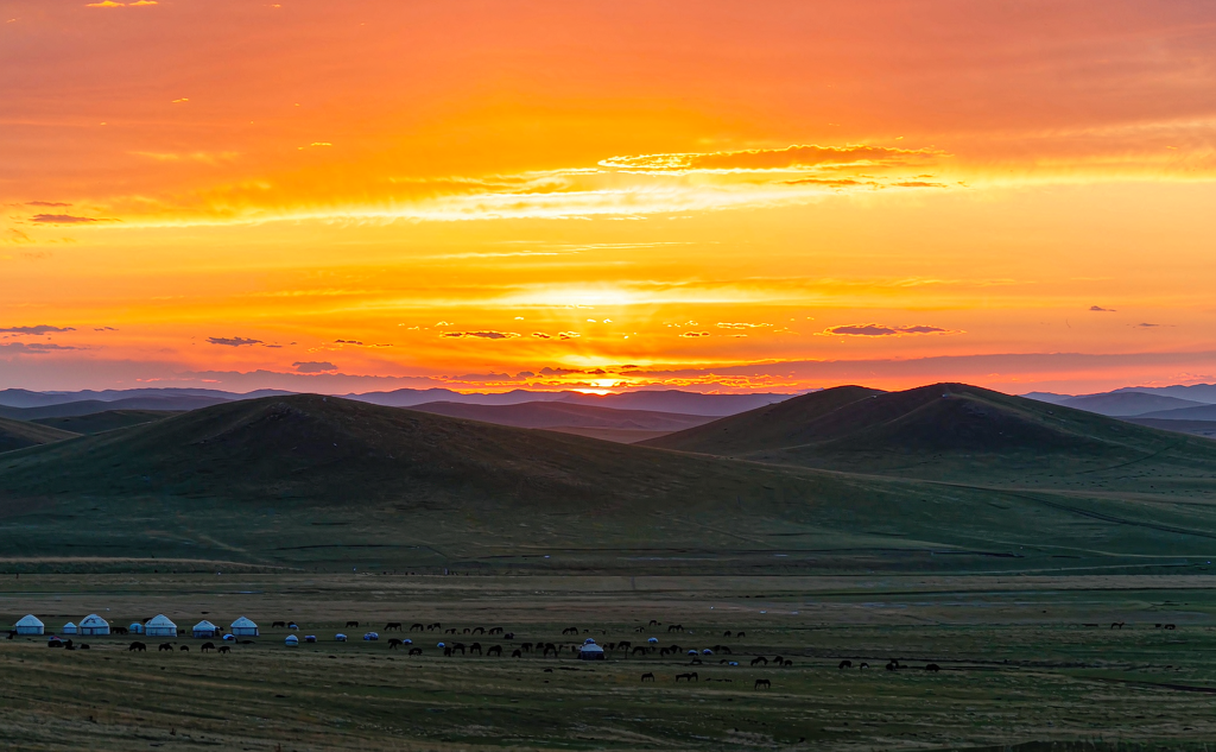
The Horqin Grassland is the reason to come. Head to a yurt camp such as the Zhurihe tourist area, where you can ride horses, watch herders move livestock, and eat inside a felt tent as the sun drops over the plain. The scale of the open land is the point; give yourself at least one night to feel the quiet after dark and the enormous stars that the lack of city light makes visible.
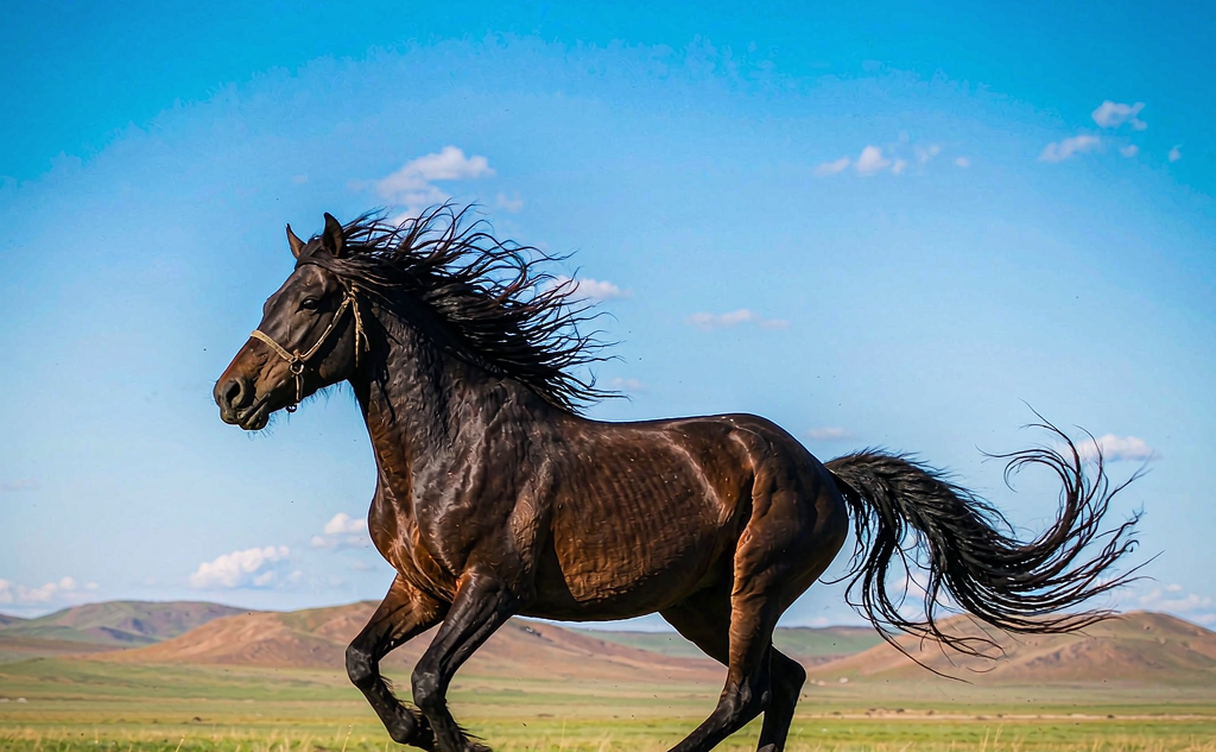
Daqinggou Nature Reserve is the counterintuitive highlight: a forested canyon and stream cut into the sandy Horqin lands, cool and green where everything around is dry. Wooden boardwalks follow the gully past old trees, and the contrast makes it a welcome half-day away from the sun. Back in the city, the Tongliao Museum holds Mongolian artifacts, from saddles and armor to Buddhist thangka paintings, and is a good primer before you head to the steppe so the details of what you see make sense.
For a broader regional picture, the Hohhot travel guide covers the regional capital to the west, and the Ordos travel guide explains the grasslands and desert country around the Genghis Khan Mausoleum. The Manzhouli travel guide describes the Russian-border town at the region’s far northeast if you keep going and want to end at the edge of the map.
Tongliao Food
Mongolian and northern Chinese food meet on the Tongliao table. Mutton is central, often boiled simply with nothing but salt to show the quality, or grilled over open coals as chunks on a skewer. Hand-pulled noodles, steamed buns filled with lamb, and milky tea with salt are everyday staples, and a yurt feast usually ends with a whole roasted sheep for groups who book ahead.
Dairy plays a big role: dried curds, fermented mare’s milk, and fresh cheese appear at breakfast and as snacks between rides. In the city you can also find standard northern Chinese noodle and dumpling shops when you want a break from the steppe diet. The food is hearty by design, built to fuel a day outdoors in the wind, and portions reflect that logic.
A Suggested Tongliao Itinerary
With one day, head straight to a Horqin yurt camp and commit to the steppe: a morning ride, a midday meal of boiled mutton in the felt tent, and an afternoon of walking the open ground before the light goes long and golden. If festivals are running, build the day around the horse racing and wrestling, which are the moments the grassland feels most alive.
Two days lets you add Daqinggou Nature Reserve on the second morning, when the cool of the canyon is most welcome, and return to the steppe for a bonfire night that is the real highlight of a grassland stay. A night in the yurt is what separates a drive-by photo stop from an actual sense of the place, and the stars alone justify staying over.
Tongliao is best approached as one stop on a longer Inner Mongolia route. Many visitors combine it with Hohhot and Ordos to the west, or run it as the eastern end of a grassland arc that finishes at Manzhouli near the Russian border. The train from Beijing makes the initial approach easy, and a driver on the ground handles the rest.
Practical notes: book the camp before you travel, since summer beds are limited and festivals sell out; confirm what is included, because some packages cover meals and riding while others charge per activity; and tell the camp your dietary needs in advance, since a mutton-heavy table is the default. Bring a headlamp for moving around the camp at night, and a power bank because yurt charging points are few. If you only have time for one thing, spend it on the horseback ride at sunset, because that is the image of Tongliao you will keep.
Where to Stay and Practical Tips
Stay in Tongliao city for transport links, then move to a yurt camp for one or two nights on the grassland to get the full experience. Summer camps book up in July and August, so reserve ahead, especially around festival dates. English is scarce, mobile payment dominates, and a translation app helps with both menus and camp bookings. Pack for temperature swings: warm days and cool nights are normal on the steppe, and a windproof layer earns its place even in July. Tongliao works best as part of a wider Inner Mongolia route rather than a standalone stop. The train from Beijing is the easy front door, but once you leave the city the grassland has no public transport worth relying on, so arranging a driver for the day is money well spent and removes the stress of navigating rural junctions. Base yourself in Tongliao city on arrival night, then move to the camp, rather than trying to reach the steppe late after a long train. Pack for both ends of the day: a sun hat and light clothes for midday, and a warm layer for the cold that rolls in after sunset even in July. A local SIM with data makes ride apps and translation far smoother than hotel wifi alone, and it lets you confirm camp directions on the move.
For official information on Inner Mongolia’s tourism infrastructure and seasonal events, the Ministry of Culture and Tourism of China publishes provincial guidance: https://www.mct.gov.cn/