

This Yinchuan travel guide is your complete companion to the laid-back capital of Ningxia Hui Autonomous Region, a city where golden deserts meet the blue waters of Sand Lake and the mysterious pyramids of the Western Xia dynasty rise from the foothills of the Helan Mountains. If you are hunting for things to do in Yinchuan that blend Silk Road history, Hui Muslim culture, and raw desert scenery, this oasis on the upper Yellow River deserves a prime spot on your China itinerary. Most visitors arrive expecting a dusty transit town and leave charmed by its slow pace, friendly halal teahouses, and the surreal contrast of lake, dune, and tomb within a single day’s drive.
Best Time to Visit Yinchuan
The best time to visit Yinchuan is from April to May and again from September to October, when daytime temperatures sit comfortably between 15°C and 25°C. Spring brings blossoming apricot orchards and the first clear views of the snow-tipped Helan Mountains, while autumn paints the poplar forests around the desert lakes in gold and ushers in the Ningxia wine harvest. Summers are hot and dry, with temperatures that can climb past 32°C and intense UV, and winters are long, windy, and frigid, often dropping below -10°C with the occasional sandstorm. Late September also overlaps with the wolfberry (goji) picking season, when roadside stalls sell the freshest berries of the year. For a broader look at seasonal patterns across the country, see our guide to the best time to visit China.
How to Get to Yinchuan
Yinchuan is surprisingly well connected for a northwestern city, and most foreign travelers arrive by high-speed train or domestic flight. Planning your Yinchuan itinerary starts with understanding these two gateways.
- By high-speed train: Yinchuan Station sits on the Yinchuan–Xi’an high-speed line, with direct bullet trains reaching Xi’an in around 3 hours and Lanzhou in about 3.5 hours. Services also run to Beijing in roughly 6–7 hours and connect onward to the national network. Booking is easiest through the official railway site, China Railway (12306), which now supports foreign passport login and English menus.
- By air: Yinchuan Hedong International Airport (INC) handles direct flights from Beijing, Shanghai, Xi’an, Guangzhou, and several regional hubs. An airport shuttle bus or taxi covers the 25 km ride into the city center in around 40 minutes and costs around ¥20–30 by bus.
- By road: Long-distance buses link Yinchuan with Zhongwei and the Shapotou desert resorts, though trains are faster and more comfortable for most routes.
If you are new to rail travel in the country, our China high-speed train guide for foreigners walks you through ticket types, seat classes, and the real-name booking system step by step.
Top Things to Do in Yinchuan
Western Xia Imperial Tombs
The Western Xia Imperial Tombs are the undisputed highlight of any Yinchuan travel guide. Scattered across a 50-square-kilometer plain at the base of the Helan Mountains, these nine earthen mausoleums once held the emperors of the short-lived Western Xia dynasty (1038–1227). Often called the “Chinese Pyramids,” their weathered rammed-earth mounds glow amber at sunset and feel hauntingly empty compared with China’s busier imperial sites. A museum on site explains the Tangut script and the dynasty’s Buddhist art, including vivid murals recovered from burial chambers. For travelers who want to go deeper, our dedicated Ningxia Western Xia Tombs guide covers ticket tips and the best photo angles.
Sand Lake (Shahu)
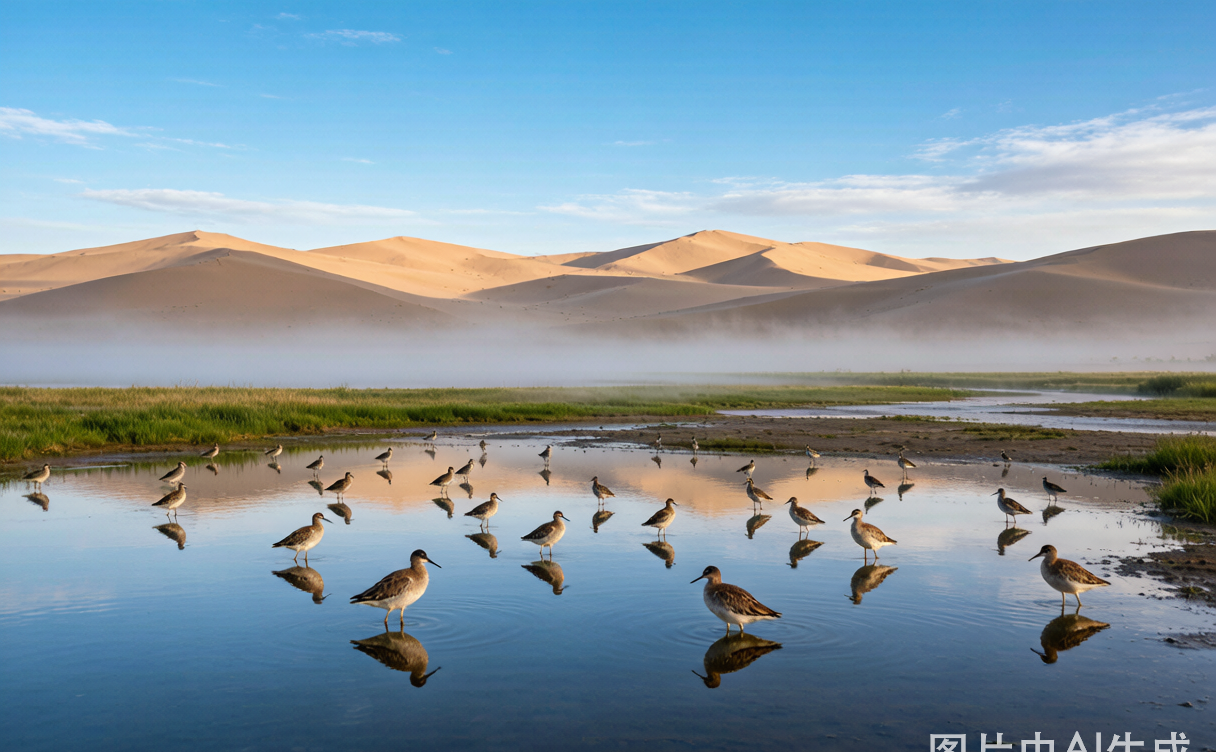
A trip from Yinchuan to Sand Lake takes about an hour north of the city and rewards you with one of China’s strangest landscapes: a vast freshwater lake rimmed by golden sand dunes. You can cruise between reed beds alive with rare birds, then swap your boat for a camel ride or a sand-sledding run on the ridge. Spring and autumn are best for birdwatching, when migratory flocks of cranes and geese rest on the water.
Helan Mountain Rock Art and Wineries
The Helan Mountains shelter ancient petroglyphs of sun gods, animals, and hunting scenes carved more than 3,000 years ago, reachable by a short shuttle from the tomb road. Just south, a new generation of Ningxia wineries—part of China’s fastest-rising wine region—opens cellars for tastings of cabernet and icewine. The combination of high-altitude desert terroir and French-trained vintners has earned Ningxia international medals, and several estates offer vineyard lunches.
Zhenbei Fort Western Film Studio
Movie fans should not miss Zhenbei Fort (镇北堡), a rammed-earth film studio where classics such as A Chinese Odyssey were shot. Today it is a photogenic open-air museum of dusty alleys, courtyard homes, and film sets you can wander freely, with costume rentals that let you step into a wuxia scene.
Ningxia Museum and the Old Town
Back in the city, the Ningxia Museum holds spectacular Hui silver, Tangut manuscripts, and a famous replica of a Western Xia tomb chamber. Stroll the rebuilt Drum Tower area and the riverside park along the Yellow River to feel the city’s slow, friendly rhythm after dark.
Yinchuan Travel Guide: Where to Stay
Most visitors base themselves in Xingqing District, the historic core around the Drum Tower, where mid-range hotels, halal restaurants, and the train-station bus hub are all within walking distance. The newer Jinfeng District near Yinchuan Station suits travelers arriving late by rail and offers larger international-brand hotels with English-speaking staff. Budget backpackers will find hostels and guesthouses clustered around the university area, often with communal rooftop terraces. Wherever you stay, choose a location within a short ride of the Yellow River park so you can catch the morning light over the water.
Yinchuan Food and Local Specialties
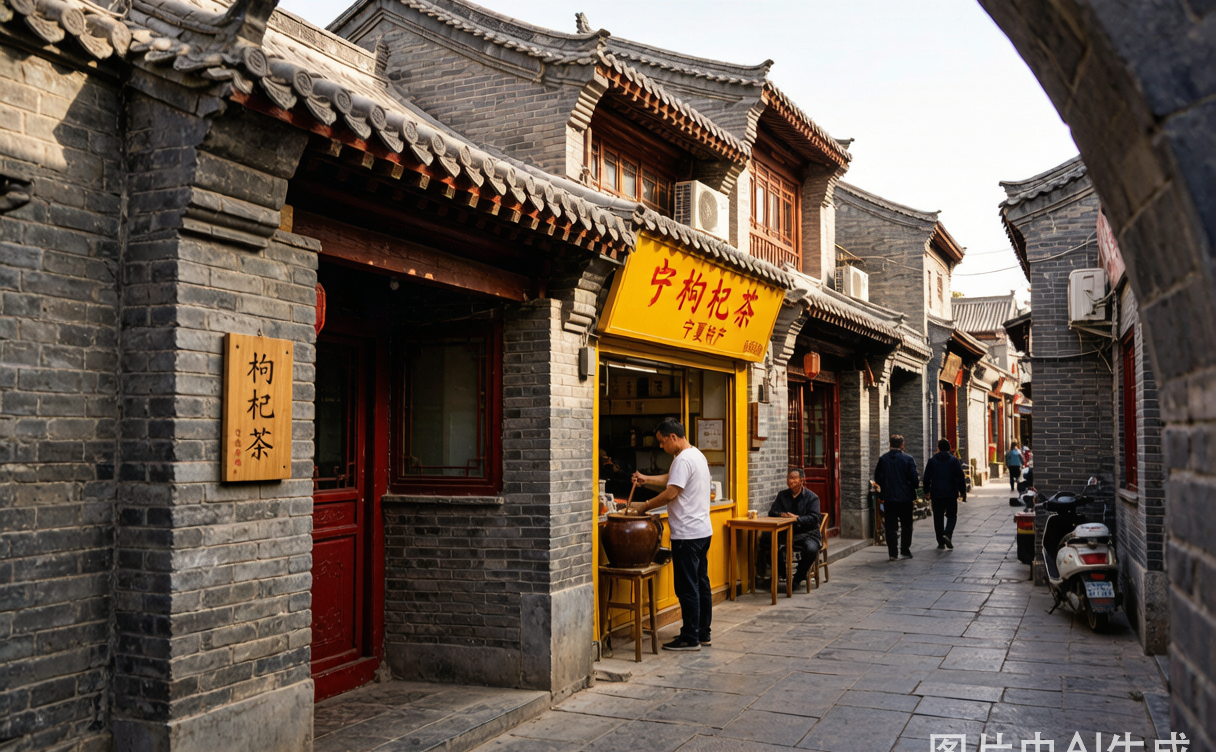
Yinchuan’s kitchen is defined by Hui (Muslim) cuisine and the lamb of the northern grasslands. Don’t leave without trying hand-pulled lamian noodles, zhua fan (rice steamed with lamb and raisins), and the local specialty of lamb spine hotpot (羊蝎子), simmered with cumin and chili until the meat slips off the bone. Eight-treasure tea (八宝茶), sweetened with goji berries and dates, is the city’s signature drink and a soothing antidote to the dry air. Vegetarians can enjoy cold tossed mung-bean noodles and stuffed flatbreads from street carts. A typical filling meal costs around ¥40–60 per person at a local halal joint, while a proper lamb feast runs around ¥120–150.
Sample Yinchuan Itinerary
Day 1: Arrive by morning train, settle into Xingqing District, then spend the afternoon at the Ningxia Museum and the Drum Tower old town. Evening street-food crawl for lamian and eight-treasure tea along the night market.
Day 2: Full-day loop west of the city—Western Xia Imperial Tombs in the morning, Helan Mountain rock art and a winery tasting in the afternoon, sunset at Zhenbei Fort before returning for a lamb spine hotpot dinner.
Day 3 (optional): Day trip north to Sand Lake for boating and dune walks, with a reed-bed birdwatching cruise, before an evening train or flight out.
Yinchuan Travel Tips
- Cash and cards: Carry some cash; small halal eateries may not take foreign cards. Alipay and WeChat Pay now accept linked international cards at larger shops.
- Dress: Layers are essential—desert days are hot, nights are cool, and the wind carries fine sand that settles on camera lenses.
- Language: English signage is limited; a translation app and your hotel’s Chinese name written on paper will save you more than once.
- Halal etiquette: Respect no-pork and no-alcohol customs at Hui restaurants, and ask before photographing people at prayer.
Yinchuan Travel Guide FAQ
Is Yinchuan worth visiting for first-time travelers to China?
Yes. While it is off the classic Beijing–Xi’an–Shanghai route, Yinchuan rewards curious travelers with desert landscapes, distinctive Hui culture, and crowd-free historical sites. It pairs naturally with Xi’an on a northwest loop.
How many days do I need in Yinchuan?
Two full days cover the city and the Western Xia Tombs; add a third for Sand Lake or a winery day. It fits comfortably into a broader China travel guide for first-timers plan.
Do I need a special permit to visit Yinchuan?
No. Yinchuan is an ordinary mainland city; only the standard Chinese visa is required, and the surrounding Ningxia region has no special permit system for visitors.
What is the easiest way to reach Sand Lake from Yinchuan?
Frequent tourist shuttles and ride-hailing cars cover the roughly 56 km trip in about an hour. Organized half-day tours from the city are also widely available and include boat tickets.
In short, this Yinchuan travel guide shows that the city is far more than a transit stop: it is a serene gateway to desert lakes, lost dynasties, and some of China’s most welcoming food culture. Add it to your northwest journey and you will discover a slower, sand-streaked side of the country that most visitors miss, where a single afternoon can hold tombs, vineyards, and camels in turn.