

Xining, the capital of China’s Qinghai Province, sits at about 2,300 meters on the northeastern edge of the Tibetan Plateau. It is the springboard for Qinghai Lake and the famous railway toward Lhasa in Tibet, China, yet the city itself is a fascinating blend of Han, Tibetan, Hui, and Mongol cultures. This Xining travel guide covers the best time to visit, how to arrive, the top things to do, where to stay, what to eat, and an itinerary built around altitude-aware travel. Think of Xining as the practical, friendly threshold to the roof of the world: lower than the plateau towns but high enough to demand respect, with monasteries, mosques, and a lake that ranks among China’s most beautiful.
Best Time to Visit Xining
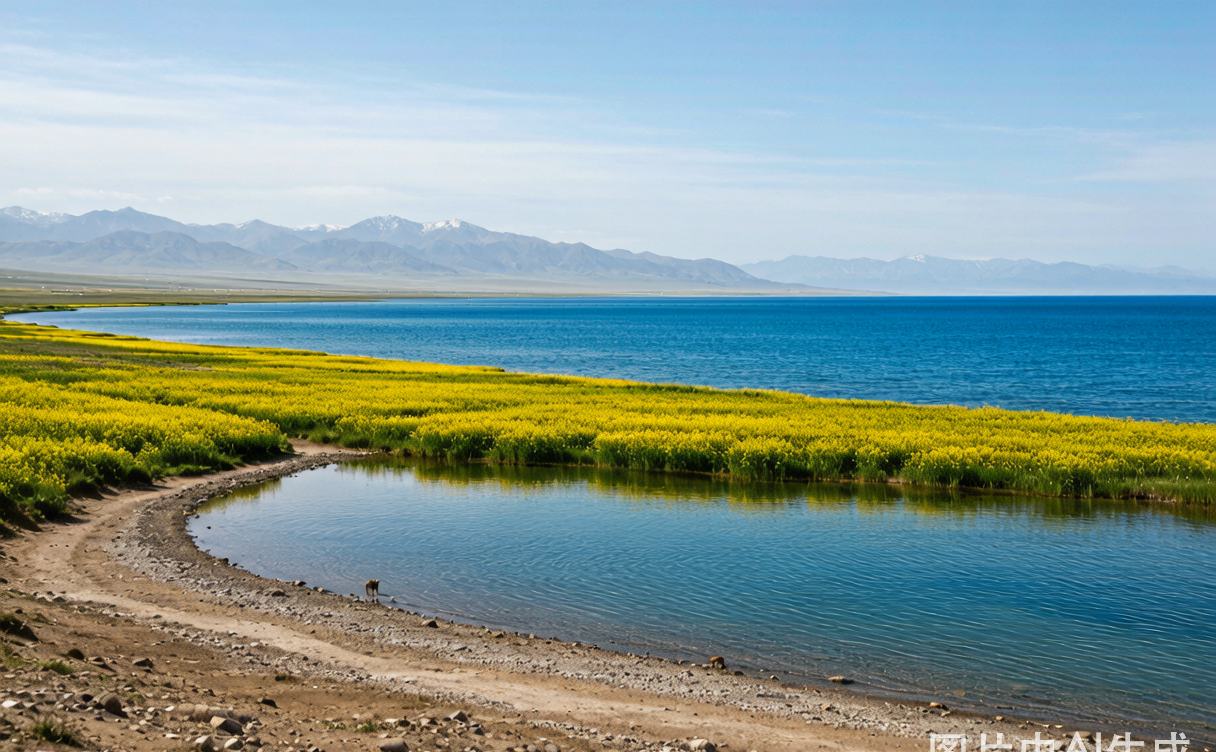
The best time to visit Xining is summer (June to August), when the plateau cools to a pleasant 15–25°C and the surrounding grasslands turn green. This is also when Qinghai Lake’s rape flowers bloom and festivals fill the calendar, including horse races and Tibetan fairs that draw visitors from across the region. Spring and autumn are crisp but variable, while winters are cold and dry, with temperatures often below freezing and the nearby mountains snow-capped. Because Xining is high and sunny, even summer evenings can be chilly — pack a warm layer regardless of season, and book lake accommodation early in July and August when domestic tourists arrive in force.
The short warm window means summer is both the most comfortable and the busiest time, so reserve trains and lakeside stays well ahead if you travel then, and consider June or late August to miss the peak crowds.
How to Get to Xining
Xining is a key rail hub on the Qinghai–Tibet line and is reachable by air and high-speed train. Schedules and tickets can be checked on China Railway’s official portal, China Railway (12306).
- By air: Xining Caojiabao International Airport (XNN) has direct flights from Beijing, Xi’an, Chengdu, and other hubs. The airport bus reaches the city in about 40 minutes, and DiDi is available.
- By high-speed train: The Lanzhou–Xining line connects the two in roughly 1.5–2 hours, and links run onward toward Tibet, China. Foreign travelers should review our China high-speed train guide for foreigners before booking, especially for the Tibet, China segment which requires additional permits arranged in advance.
- Overland: The Qinghai–Tibet highway makes Xining the classic launch point for road trips toward Tibet, China, though most visitors fly or take the train for comfort and gradual altitude acclimatization.
Top Things to Do in Xining
Kumbum (Ta’er) Monastery
The things to do in Xining list begins at Kumbum Monastery, one of the most important Tibetan Buddhist sites in China, birthplace of the reformer Tsongkhapa. Its golden roofs, butter-sculpture hall, and chanting courtyards sit about 30 km southwest of the city and make a half-day visit, best early before the tour buses. The surrounding hills offer short walks with views back over the complex, and the on-site museum explains the lineage in clear panels.
Dongguan Mosque and the Hui Quarter
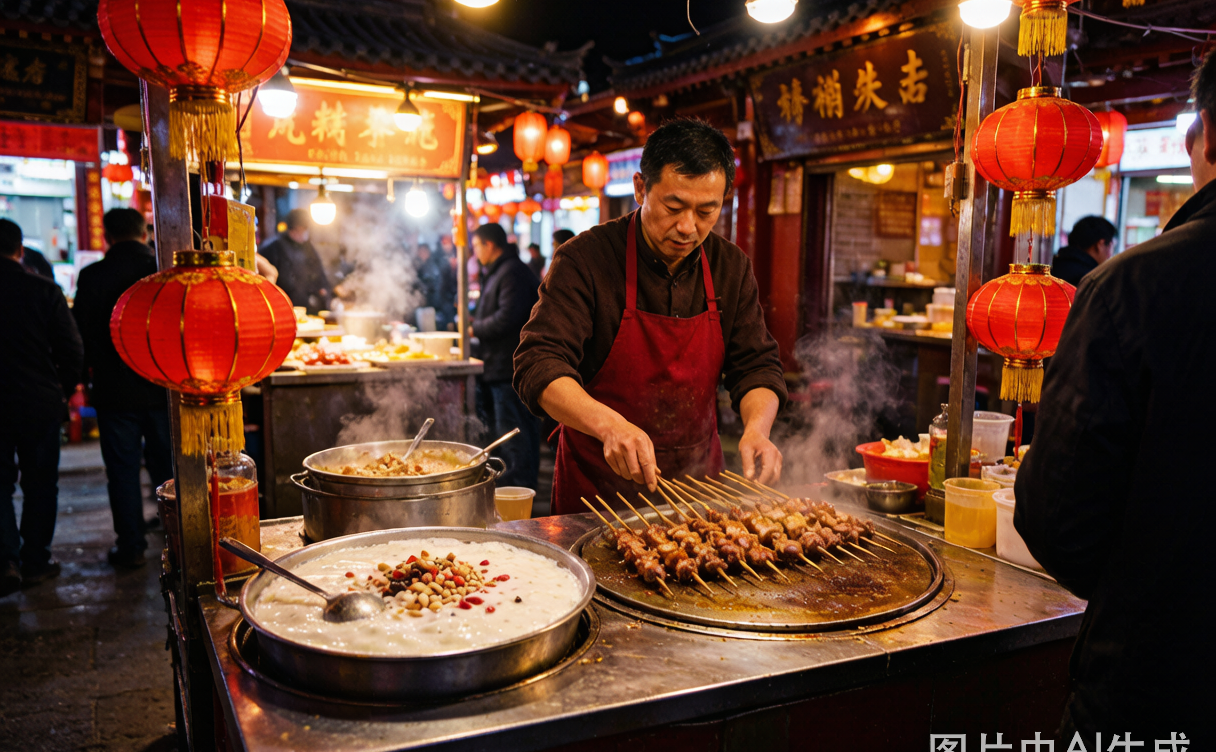
Xining’s large Hui Muslim community centers on the Dongguan Mosque, a striking blend of Chinese and Islamic architecture. The surrounding quarter is the best place to eat hand-pulled noodles and roast lamb, especially after dark when the food stalls open. Dress modestly when visiting the mosque interior, and ask before photographing worshippers.
Qinghai Lake (from Xining)
A Xining to Qinghai Lake trip is the region’s headline excursion. China’s largest saltwater lake shimmers about 150 km west of the city, ringed by grasslands and snow peaks, with bike routes and yak-curd stands along the shore. Our Qinghai Lake travel guide has full details on getting there and where to stay, including the flower fields that peak in July and the bird island reserves nearby.
Tibetan Plateau Culture Museum and Parks
Back in the city, the Qinghai Provincial Museum and the nearby People’s Park give context on the plateau’s peoples and wildlife. A tea break on Mojia Street rounds out a low-altitude first day, letting your body adjust before any strenuous sightseeing or the climb toward higher ground.
Where to Stay in Xining
Base yourself in the city center near the Mosuo or Xiaoxiau districts for walkable dining and easy taxi access. Mid-range hotels run around ¥250–500 per night; international chains sit near the railway station. Because of the altitude, choose a hotel with good heating and consider a lower-floor room for the first night. For budget routes across the region, see our China budget backpacking guide, which covers hostels and slow-travel tips suited to the plateau and the towns beyond.
Xining Food and Local Specialties
Xining’s kitchen mixes northwestern Chinese and Tibetan-Hui flavors: hand-pulled noodles, beef and lamb skewers, tsampa (roasted barley flour), butter tea, and sweet yak-milk yogurt. The night market near the mosque quarter is the easiest place to graze. Many travelers pair Xining with a longer plateau loop, and the city’s cafés are a good place to sample Tibetan-style pastries before heading higher onto the grasslands.
Xining Itinerary
A Xining itinerary of two to three days works well:
- Day 1: Arrive, rest for altitude, Dongguan Mosque and Hui quarter, museum in the afternoon.
- Day 2: Kumbum Monastery in the morning, Qinghai Lake day trip or overnight by the shore.
- Day 3 (optional): Continue toward Qinghai Lake or begin the train journey toward Tibet, China.
Take altitude seriously: build in a rest day before strenuous activity, and watch for mild symptoms like headache. Our best time to visit China guide helps you time the plateau’s short warm season and plan the rest of a multi-region trip, so read it before locking in dates.
Xining Travel Tips
A few Xining travel tips, with emphasis on Xining altitude tips: spend your first day resting and hydrating rather than sightseeing hard; avoid heavy alcohol for the first 48 hours; and pack sun protection, as UV is intense at altitude. DiDi works for airport runs, and a translation app helps in the market quarters. If you plan to continue into Tibet, China, start permit paperwork weeks ahead and carry your passport everywhere, since checks are frequent along the route.
FAQ
Is Xining worth visiting for foreign tourists?
Yes, as a culturally rich highland city and the practical gateway to Qinghai Lake and the railway toward Tibet, China.
Do I need a visa and permits for Xining?
A standard Chinese visa covers Xining; the train or road journey onward into Tibet, China requires additional permits arranged in advance through a registered agency.
How many days do I need in Xining?
Two to three days, plus more if you continue onto the plateau or toward Tibet, China.
What is Xining known for?
Kumbum Monastery, Qinghai Lake access, and its blend of Tibetan, Hui, and Han cultures.
Final Thoughts
This Xining travel guide shows why the city is the natural front door to the Tibetan Plateau: monasteries, mosques, and a lake that ranks among China’s most beautiful. Come during the best time to visit Xining in summer for green grasslands and comfortable days, and respect the altitude as you go. For season planning across the country, browse our best time to visit China guide and start building your Qinghai adventure today.