

Most visitors arrive in Guangzhou expecting dim sum and skyscrapers, and they get both, but the building that best explains how this southern trading city actually thinks is Chen Clan Academy Guangzhou, an ancestral hall and study academy built in the 1890s by the Chen lineage of Guangdong province. It is not a school in the modern sense and never really was; it was a place where the sons of the widespread Chen family could lodge while sitting the imperial exams, and where the clan honored its ancestors under one extraordinarily decorated roof. We have walked hundreds of travelers through its courtyards, and the reaction is almost always the same: a slow turn of the head upward, because the art here is on the beams, the ridges, and the doorframes, not in a glass case. This guide covers what the academy is, what to look at, what it costs, how to reach it, and when to go, so you can slot it into a wider Guangzhou travel guide without missing the details that make it special.
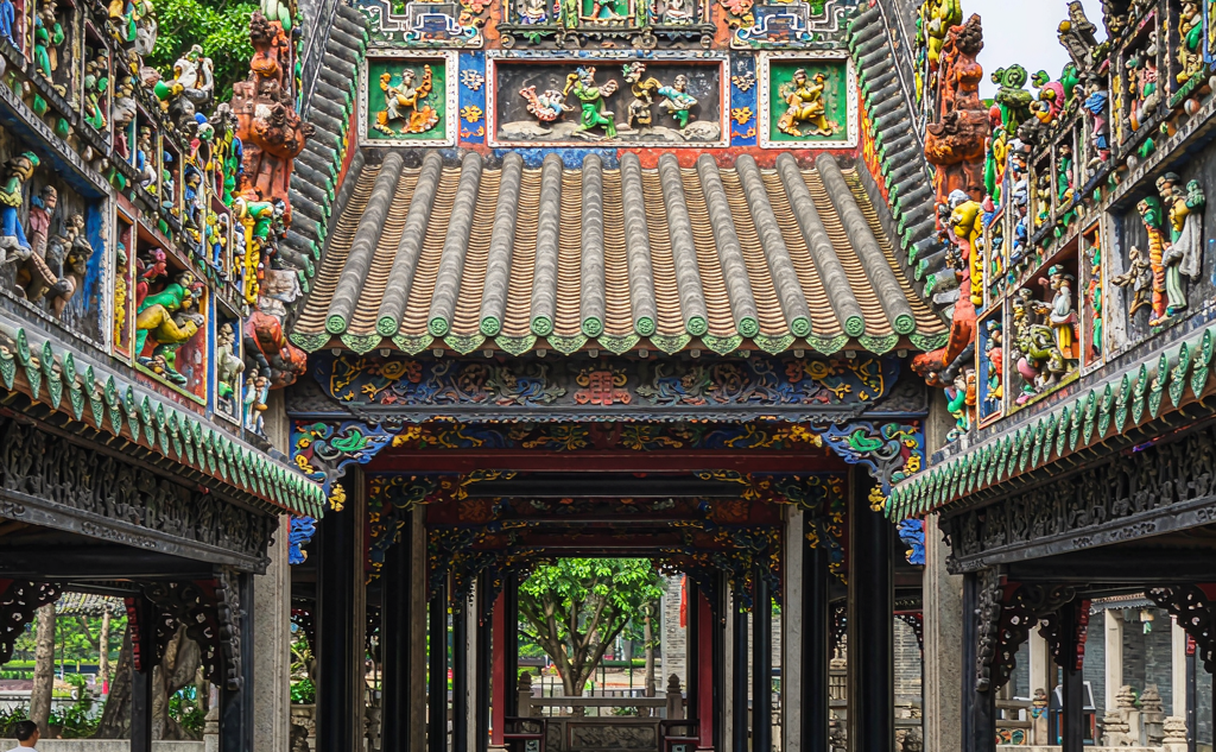
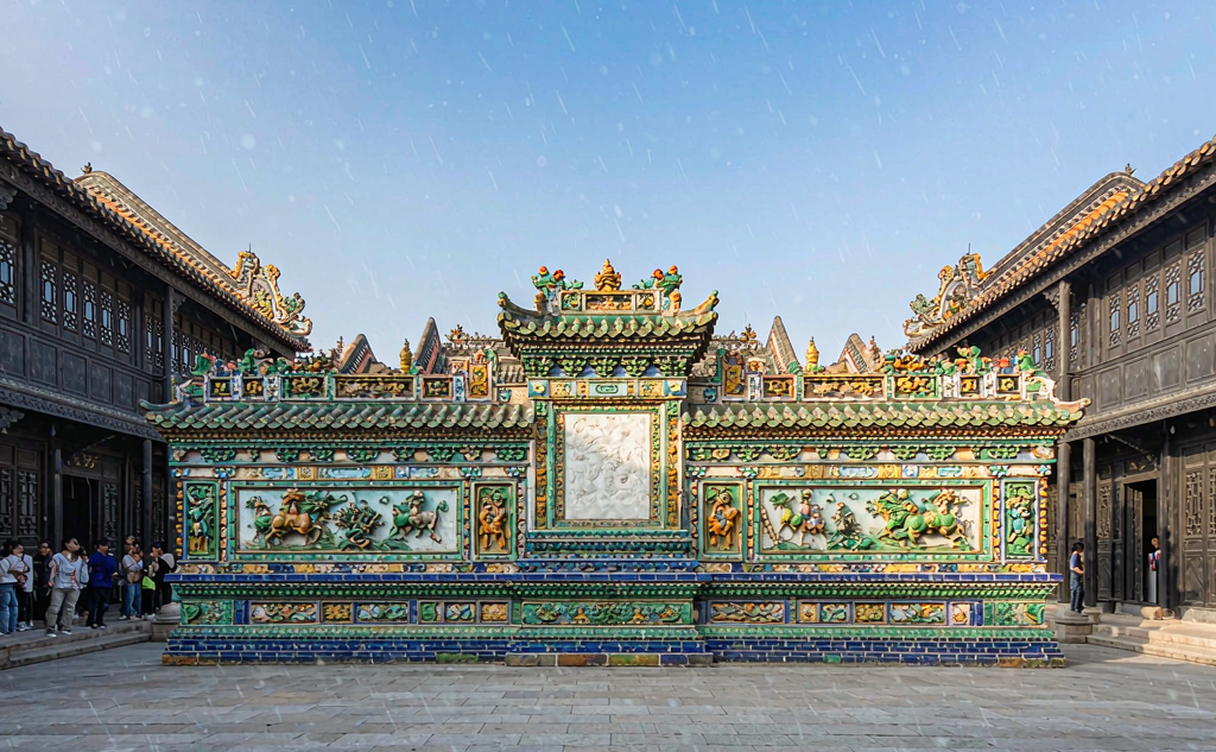
The academy was completed around 1894, on the eve of the reforms that ended the imperial examination system, which makes it in a sense a last great burst of traditional Cantonese patronage. More than seventy Chen lineages from across Guangdong pooled funds to raise it, and they hired the finest craftsmen of the day to decorate every surface, which is why the place reads less like a single building than a museum of southern Chinese decorative art built as one gesture. The complex follows a symmetrical layout of nine halls and six courtyards, oriented on a strict north-south axis, with the main hall at the rear dedicated to the ancestral tablets and the entrance screen walls facing the street. What surprises people is the scale of the carving: wood, stone, brick, pottery, plaster, and iron are all used, often layered, so a single doorway might carry a wood relief above, a brick poem panel beside, and a ceramic figure ridge above that.
The roof ridges are the headline. Capped with brightly glazed ceramic figurines, they depict scenes from opera, folklore, and history in vivid greens, blues, and oranges that have kept their color for over a century because the figures were fired, not painted. Stand in the central courtyard and look up at the main ridge of the rear hall: the crowding of little figures, some no taller than a thumb, tells multi-scene stories that a guide can spend ten minutes unpacking. We once arranged a private walkthrough for a couple who said they “didn’t care about temples,” and by the second courtyard they were photographing roof dragons and asking the names of the immortals, because the craftsmanship is simply that legible. The Wikipedia entry on Chen Clan Ancestral Hall gives the architectural and historical summary if you want the scholarly frame before you stand under the ridges yourself.
Inside, the academy now also serves as the Guangdong Folk Arts Museum, which means the carving shares space with rotating displays of local handicraft: ivory and bone carving where it is displayed from older collections, embroidery, paper cutting, and the famous Cantonese pottery. The side halls are cooler and quieter than the central axis, and they are where you can actually study a single panel without a tour group breathing on your shoulder. The brick carving panels set into the gable walls are especially fine, with scenes cut so deeply they read almost like low reliefs, and the stone drum stones flanking the main entrance are carved with such detail that the local legend says a careless glance misses half the story.
For planning, Guangzhou Chen Clan Academy tickets are cheap and simple. Standard entry is about RMB 10 per person, occasionally adjusted, and there is no complicated reservation for foreign visitors; you buy at the gate or scan a local ticketing mini-program if one is posted, and walk in. Opening hours run roughly 8:30 in the morning to 17:30 in the afternoon, with last entry around an hour before close, and the museum halls may close slightly earlier than the grounds, so treat the last two hours as garden and courtyard time rather than hall time. We tell people to arrive right at opening if they want clean photographs of the ridges without crowds, because the tour buses from the Pearl River cruise circuit arrive mid-morning and the central courtyards fill fast. The whole visit, done properly, takes about ninety minutes to two hours, which leaves the rest of the day for the city’s other pulls.
Getting there is about as easy as Guangzhou transit gets. The academy sits on Zhongshan 7 Road in the Liwan district, and the Chen Clan Academy metro station, served by Line 1 and Line 8, is named for it and sits a two minute walk from the entrance. If you are staying in Tianhe or by the Guangzhou Canton Tower, take the metro rather than a cab, because surface traffic in the old west of the city is slow and the station puts you at the door. For those wondering how to get to Guangzhou in the first place, the city is a major hub on the south China high-speed network, with Baiyun International Airport handling international and domestic flights and Guangzhou South Railway Station feeding the lines toward Hong Kong, China and beyond. Our China high-speed train guide for foreigners explains the booking steps with a foreign passport, which is the part that trips up first-timers more than the journey itself.
Timing matters, though Guangzhou is warm most of the year. The best time to visit Guangzhou is autumn, from October through early December, when the humidity drops, the skies clear, and the light on the glazed ridges is at its richest, or spring, from March through May, before the summer heat and the occasional April showers set in. Summer is long, hot, and sticky, often above 33 degrees Celsius with heavy rain from May to August, and while the halls are shaded, the walk from the metro and the open courtyards are uncomfortable in the midday sun, so if you come in summer, aim for the opening hour and carry water. Winter is mild by northern standards but damp, and the academy in cool, grey January has a quieter, more contemplative mood that photographers appreciate. Weekdays beat weekends almost always, and a weekday morning in the off-season can leave you nearly alone with the carvings.
Once you have seen the academy, the rest of the day opens up, because things to do in Guangzhou branch naturally from this spot. The old Liwan district around it is full of qilou arcade streets, the covered shopfronts that define the southern Chinese commercial look, and a short ride brings you to the Guangzhou dim sum guide favorites we recommend, because no visit to the Chen Clan area is complete without a long, lazy yum cha session nearby. Families often pair the academy with Guangzhou Chimelong Park on a separate day, since the circus of rides and animals is the opposite energy and works better with a full day than a half. And the Canton Tower, the city’s lit spire, makes a natural evening counterpoint to a morning of old craft, which is exactly the rhythm we suggest to first-timers.
A few practical notes make the visit smoother. The carvings are best understood with a guide or a good audio app, because the stories on the ridges are specific and easy to misread; free volunteer guides sometimes run at the top of the hour, and we tell people to time arrival to catch one. Photography is allowed in the courtyards and most halls, but flash disturbs both the lacquer and other visitors, so shoot with available light. Wear comfortable shoes, because the ground is uneven stone and you will be on your feet the whole time, and bring a fan or a small towel in the warm months. If you want a souvenir, the museum shop sells small ceramic figurine replicas and paper cuts that are more authentic than the street stalls outside the gate, and the prices are fixed rather than negotiated.
For travelers new to the country, the academy is a gentle, contained introduction to Chinese clan culture and decorative art, and it pairs well with the broader orientation in our China travel guide for first-timers, which covers passport registration, payment apps, and the etiquette that keeps a visit like this smooth. We have placed solo backpackers, families, and retired couples here, and the building rewards all of them differently: the scholar with the opera ridges, the photographer with the light, the family with the scavenger-hunt of finding every dragon.
Chen Clan Academy Guangzhou is the kind of place that reframes a city. You come for a quick heritage stop and leave understanding why Cantonese craftsmanship carries such weight, why a clan would spend a fortune on a roof, and why Guangzhou, for all its modernity, still honors the handmade. Give it a morning, look up often, and let the ridges tell you the stories before you move on to the dim sum.