

Nanjing wears its history heavier than most Chinese cities, and the single best place to feel the weight of its imperial past is Zhonghua Gate Nanjing, the colossal southern gate of the Ming-era city wall. Unlike a decorative arch you photograph and walk past, this is a fortress you climb, cross, and explore from the inside, a layered maze of stone chambers and ramps built to stop an army and shelter one. We have guided everyone from military-history buffs to wary parents with strollers through it, and the thing that gets them all is scale: the bricks are the size of small suitcases, the walls are thicker than a car is long, and the hidden vaults could once have held thousands of soldiers. This guide explains what the gate is, what to see inside, what it costs, how to reach it, and when to go, so you can weave it into a broader Nanjing travel guide without missing the details that make it remarkable.
The gate we see today was built in the late 14th century, begun around 1366 and finished under the Hongwu Emperor, the founder of the Ming dynasty, who made Nanjing his capital. It was the main southern entrance to the city, guarding the approach from the Qinhuai River and the road south, and its design reflects a deep paranoia about siege. Rather than a single portal, Zhonghua Gate is a complex of three nested walled courtyards fronted by a fourth outer gate, arranged so that an enemy who broke the first barrier found themselves trapped in a kill zone flanked by archers. The whole structure is about 120 meters long, 40 meters deep, and rises in tiers you can walk to the top of, and it remains the largest and most complete city gate of its kind surviving in China. The Wikipedia entry on Zhonghua Gate lays out the construction history and the battles it outlasted, which is worth a read before you stand beneath the lintels.
The detail that fascinates nearly every visitor is the system of “caven” passages, the arched brick vaults built into the body of the gate, 27 of them, that once stored grain, arms, and troops. The largest single vault could shelter hundreds of soldiers out of the weather and arrow fire, and standing inside one today, with the curved brick ceiling overhead and the slit of light from the doorway, you get a real sense of how a garrison lived inside the wall itself. We once arranged a slow walk for a history teacher who spent twenty minutes in one vault just tracing the brick bonding pattern, because the engineering, laid without mortar in places and held by layered clay, has outlasted six centuries of war and weather. The ramps between the courtyards are wide enough to have driven carts up, and they lead to the top of the wall, where you can look out over the Qinhuai district and the modern city beyond the ramparts.
From the top, the gate connects to a restored stretch of the Nanjing City Wall, and walking a few hundred meters along it is the best way to understand the wall as a living system rather than a single monument. The Nanjing City Wall guide we maintain maps which stretches are walkable, which are ruined, and where the views are best, because the circuit is long and you should not try all of it in one morning. From Zhonghua Gate’s ramparts you can see the contrast that defines Nanjing: the serene old town inside, the river to the south, and the towers of the new city rising beyond, all held in the frame of 600-year-old stone.
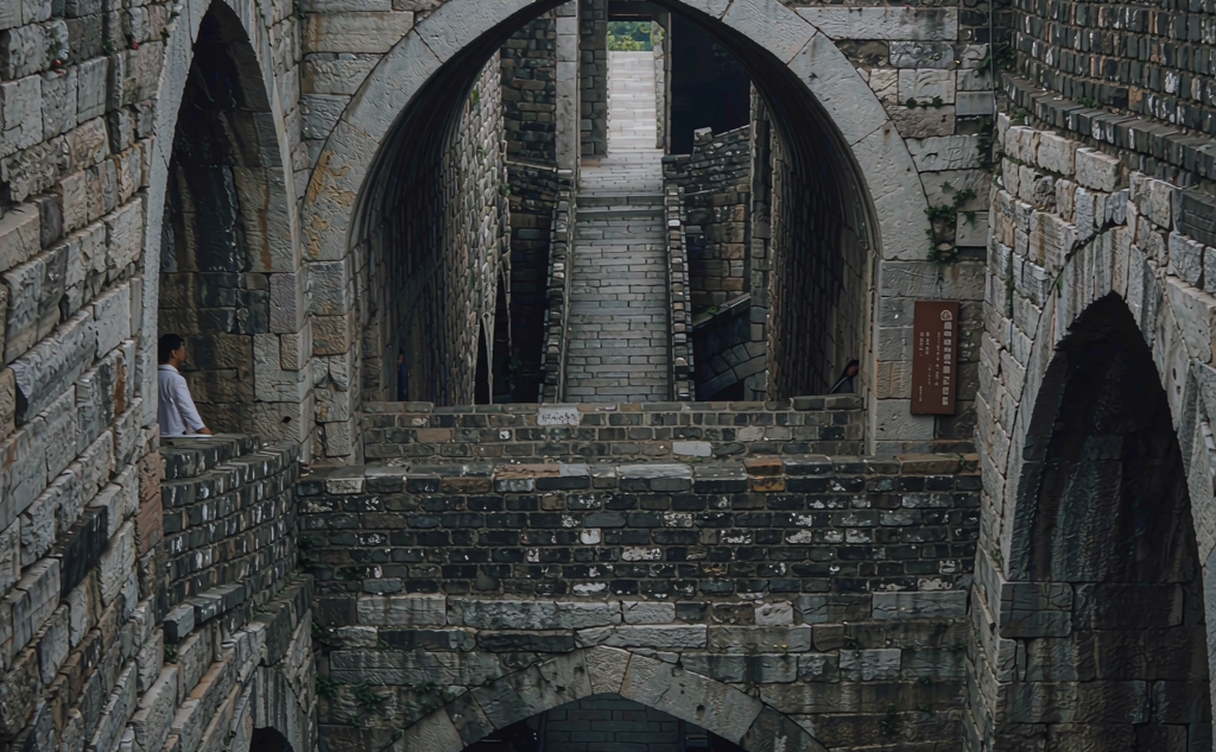
For planning, Nanjing Zhonghua Gate tickets run about RMB 40 to RMB 50 per adult depending on the season, with discounts for children, students, and seniors on presentation of the right ID, and the ticket includes access to the wall walk on top. Opening hours are generally 8:00 in the morning to around 21:00 in summer and a bit earlier in winter, with the evening light on the brick a favorite of photographers, and last entry is typically an hour before closing. There is no complicated reservation system for foreign visitors; you buy at the gate or scan a local ticketing app if posted, and walk in. We advise arriving before 10:00 or after 16:00 to avoid both the tour groups and the harsh midday sun on the open ramparts, and to give yourself at least ninety minutes if you want to climb, explore the vaults, and walk a stretch of wall without rushing.
Getting there is simple once you are in the city. The gate sits at the south end of the old town, on the north bank of the Qinhuai, and the closest metro stop is Zhonghua Men on Line 1, about a five to ten minute walk from the entrance plaza. It is also an easy stroll north into the Nanjing Confucius Temple district, the qilou-lined riverside quarter of shops, snacks, and lanterns, so pairing the two in one half-day is the natural move. If you are asking how to get to Nanjing itself, the city is a major stop on the Beijing-Shanghai high-speed line, with Lukou International Airport for flights and Nanjing South Railway Station feeding trains from Shanghai, Beijing, and beyond. Our China high-speed train guide for foreigners walks through buying those tickets with a foreign passport, which is the step that most often confuses first-time riders.
Timing shapes the visit more than people expect. The best time to visit Nanjing is spring, from March through May, when the plum and cherry blossoms soften the stone and the temperatures sit comfortably in the teens and low twenties Celsius, or autumn, from September through early November, when the air is clear and the ginkgo along the wall turns gold. Summer is hot and humid, often above 35 degrees with sudden storms, and the open ramparts offer no shade, so if you come in July or August, climb at opening or near closing and carry water. Winter is cold and sometimes grey, but the gate in bare-branch January has a stark, monumental mood that history lovers prize, and the crowds all but vanish. Weekdays beat weekends, and a weekday morning in the off-season can leave you alone on the wall with the brick and the wind.
Once you have done the gate, the day opens outward, because things to do in Nanjing cluster around this southern anchor. North along the Qinhuai is the Confucius Temple quarter for snacks and lanterns, while the Nanjing Sun Yat-sen Mausoleum sits in the purple hills to the east and deserves a half-day of its own with the climb and the surrounding park. We usually tell visitors to treat Zhonghua Gate as the morning, the Confucius Temple as the lunch-and-wander, and the mausoleum as a separate day, because each rewards slow time and the city’s distances are larger than they look on a map. The wall itself can swallow a full afternoon if you walk the restored central stretch from Zhonghua Gate toward the moat and back.
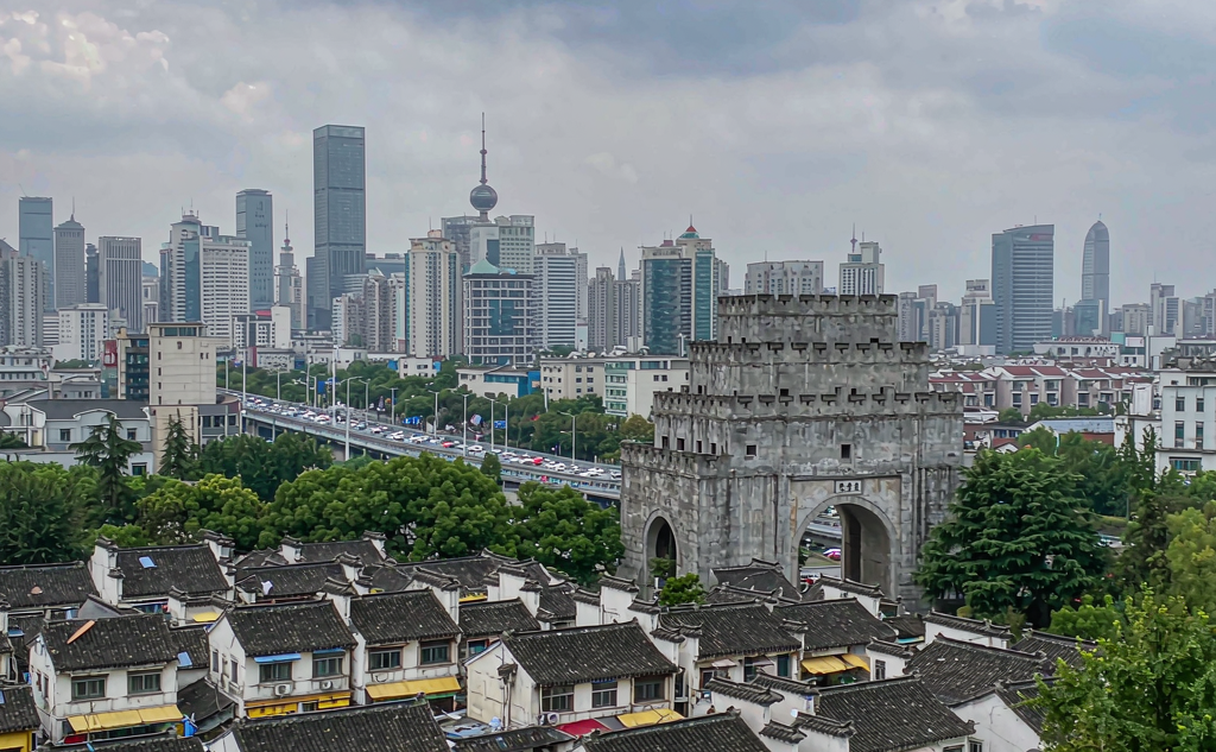
A few practical notes make the climb safer and more fun. The ramps are steep in places and the stone is worn, so wear proper shoes rather than sandals, and watch children near the unrailed sections at the top, because the drop is real and there are few barriers on the older stretches. The vaults are cool and dim, a relief in summer but damp in winter, so a light layer helps. Photography is allowed and the views are excellent, but a wide-angle lens or a phone panorama does the ramparts more justice than a zoom, and the evening blue hour on the brick is the shot most people regret missing. If you want context on the bricks themselves, look for the stamped characters still visible on many of them; they record the district and the kiln that made each one, a 600-year-old quality-control system that archaeologists have used to map the empire’s supply lines.
For travelers new to the country, the gate is a vivid, physical introduction to Chinese military architecture, and it pairs well with the orientation in our China travel guide for first-timers, which covers passport registration, payment apps, and the small logistics that keep a day like this smooth. We have placed solo history fans, school groups, and grandparents here, and the fortress gives each of them something: the engineer the brick bond, the photographer the light, the family the vaults to explore like a hidden castle.
Zhonghua Gate Nanjing is not a quick photo stop; it is a structure you inhabit for a couple of hours, climbing where soldiers climbed and hiding where they hid. Give it a morning, wear good shoes, look closely at the bricks, and let the Ming dynasty’s sense of permanence settle over you before you step down into the louder, lantern-lit streets of the old town below.