

Western visitors often assume China has no dessert culture, because sweets are rarely served as a separate course after dinner. In fact, this Chinese desserts guide shows that China has one of the world’s richest traditions of snacks, puddings, and pastries, eaten between meals, with tea, or as street food. The flavors lean less sugary than European pastry and more toward nutty, floral, and bean-based sweetness.
From osmanthus jelly in the south to sesame balls in night markets, the range is huge. This article helps foreign travelers know what to order, where to find it, and which treats make the best edible souvenirs to carry home.
How Chinese Sweets Fit Into the Day
Unlike the West, China does not end a meal with cake. Sweet things appear as xiaochi (small eats), afternoon tea companions, or festival specialties. A typical teahouse order might pair a savory dim sum with a sweet glutinous cake. Understanding this rhythm is the first step in any Chinese desserts guide: look for desserts in markets, bakeries, and tea houses rather than at the end of a restaurant menu.
Traditional Chinese Sweets to Try
Osmanthus Jelly and Floral Gels
Osmanthus jelly and sesame balls represent two ends of the spectrum. Osmanthus (guihua) is a tiny fragrant flower used to scent honey, syrup, and clear jelly desserts. The result is a trembling, golden squareset, lightly sweet with a perfume like apricot and jasmine. You will find it chilled in Hangzhou and Suzhou, often topped with a spoon of osmanthus honey.
Sesame Balls (Jian Dui)
Sesame balls are deep-fried glutinous rice dumplings coated in white sesame and filled with red bean paste. They puff into a hollow, chewy shell with a crisp exterior, sold hot at breakfast stalls and dim sum halls. The contrast of nutty crust and sweet filling is what makes them a perennial favorite.
Red Bean, Matcha, and Tofu Fa
Red bean soup, served hot or cold, is comfort in a bowl. Tofu fa, silken steamed soy pudding with ginger syrup, is a southern classic eaten warm from street carts. These are gentle, not cloying, and pair perfectly with an afternoon walk.
Best Chinese Dessert Shops and Regions
If you want the best Chinese dessert shops, start in the Yangtze delta. Suzhou and Hangzhou specialize in delicate pastries and floral sweets, while Guangzhou turns dessert into a full category called tong shui, or “sugar water.” Our Guangzhou dim sum guide lists the teahouses where sweet buns and custard tarts appear alongside savory baskets. For a broader picture of regional cooking that frames these sweets, our Chinese food guide to the 8 cuisines is a useful companion.
Chinese Shaved Ice Dessert
In summer, the Chinese shaved ice dessert is the relief you want. Known as baobing in the north and xue hua bing in parts of the south, it is a mound of feather-light ice topped with red beans, fresh mango, taro, condensed milk, and chewy glutinous pearls. Mainland shops in Fujian and Guangdong serve excellent versions, often piled with tropical fruit. Order a mixed-fruit bowl to share, since portions are generous.
Where to Eat Shaved Ice
Coastal cities and university districts have the most creative ice shops, often blending traditional toppings with tropical fruit. Look for queues of students in the evening, a reliable sign of quality and fair price.
Chinese Pastry Souvenirs to Buy
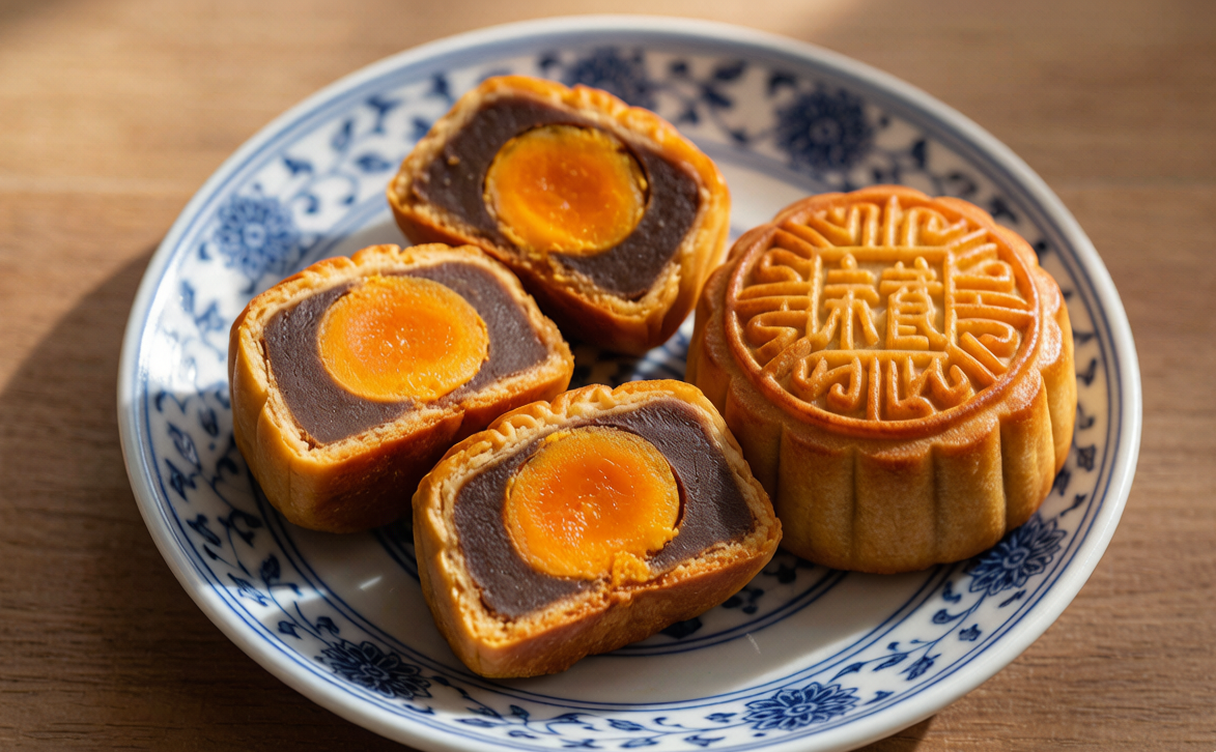
The Chinese pastry souvenirs to buy category is where China shines as a gift-giver’s paradise. Suzhou’s songshu guibing (pine-and-flowery biscuits) are crisp, layered, and beautifully boxed. Guangzhou mooncakes, eaten during the Mid-Autumn Festival, range from lotus paste to modern ice-cream fillings. Yunnan’s flower cakes (rose pastries) are buttery and fragrant, while Beijing’s dousha bing (red bean cakes) travel well.
For a city-by-city eating plan that includes where to buy these, our Suzhou food guide maps the old-town bakeries worth a detour. If your trip is built around eating widely, our China food tour guide links these dessert stops into a full route.
Pairing Desserts With Tea
No Chinese desserts guide is complete without tea. Sweet glutinous treats balance the slight bitterness of green tea, while floral jellies shine alongside a light white tea. Our China tea house guide explains how to order by tea type and why certain sweets are matched to certain brews. In Chengdu and Hangzhou, the slow tea house is the right setting to try several small sweets in one sitting.
Festival Sweets Worth Timing Your Trip Around
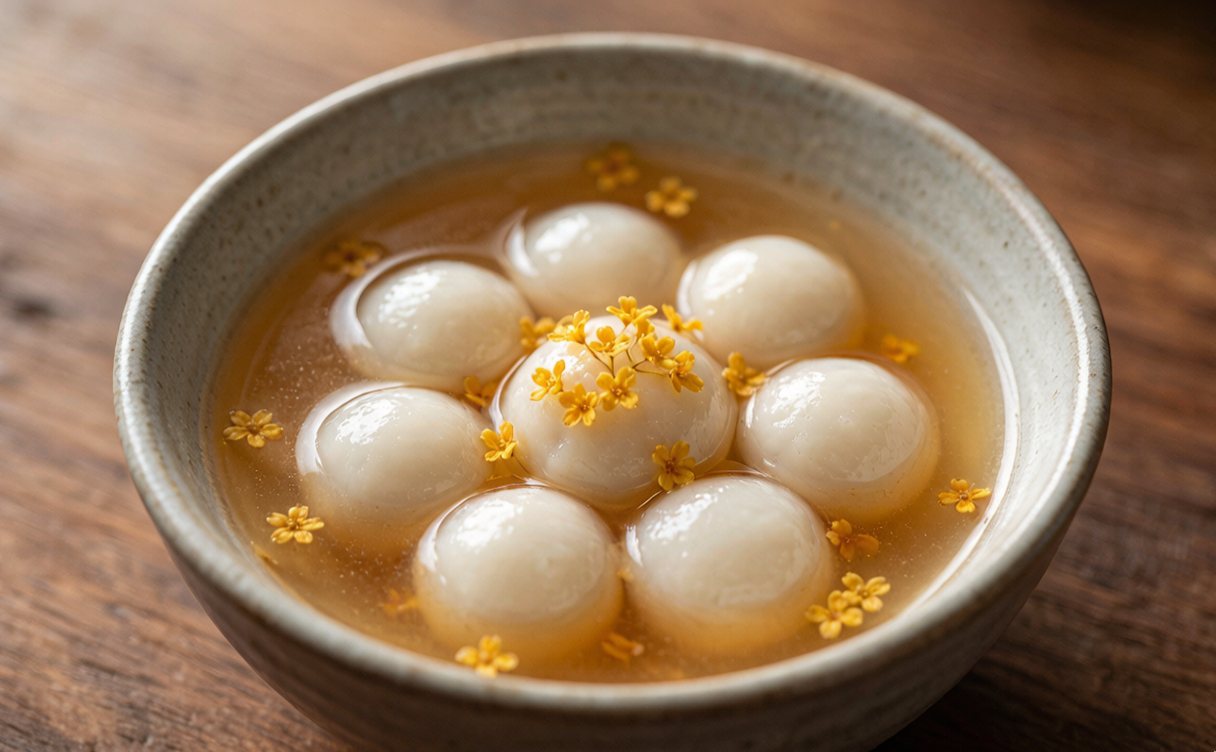
Many desserts are seasonal. Tangyuan (glutinous rice balls in sweet syrup) mark the Lantern Festival, while zongzi are sticky rice parcels eaten at Dragon Boat Festival, some with red bean or date filling. Mooncakes define autumn, and nian gao (sticky rice cake) signals the Lunar New Year. Planning around a festival lets you taste sweets that never appear in daily shops.
Sweet Tips for First-Time Visitors
Glutinous rice desserts can be heavier than they look, so share. Watch sugar levels if you are sensitive, though most traditional sweets are mild compared with Western candy. Allergy note: many pastries contain sesame, peanut, or egg, so read labels or ask. Street-made jelly is safe when kept chilled, but on hot days prefer shops with refrigeration.
Modern Dessert Cafes and Fusion Trends
China’s young bakers have built a lively cafe scene that blends tradition with global technique. In Shanghai, Hangzhou, and Chengdu you will find shops serving osmanthus tiramisu, black sesame éclairs, and cheese tarts flavored with local tea. These are not substitutes for the classic street sweets but a parallel track worth exploring when you want air conditioning and a quiet seat. Many post their menus on social apps with English-friendly photos, so browsing before you go is easy.
Reading a Dessert Menu
Menus often group items by main ingredient: dou sha (red bean), zhi ma (sesame), xiang ya (taro), and gui hua (osmanthus). If a description says “liang” it is served cold, while “re” means hot, useful to know in winter. Sweetness is usually adjustable at tea houses, so asking for “shao tian” (less sweet) is accepted and helps if you find bean pastes rich.
Healthy and Allergy Notes
Traditional Chinese sweets rely on beans, nuts, and rice rather than dairy, which suits some diets but complicates others. Sesame and peanut appear constantly, so travelers with those allergies must ask every time, even at Western-style cafes that borrow local flavors. Gluten-free visitors can enjoy jelly and tofu fa but should avoid wheat-based pastries and noodles. Portion sizes at teahouses are small by design, which makes sampling safe; the risk is ordering too many at once and wasting food.
Conclusion
China’s sweet tradition rewards curiosity, with floral jellies, nutty pastries, and cooling ice desserts that rarely make it onto a standard restaurant menu. Treat desserts as a daytime adventure across markets and tea houses, and you will taste a side of Chinese food most visitors miss. For the cultural background of these seasonal sweets, the China Culture section of China Daily covers festivals and traditional foods in depth.