

Soaking in natural hot springs, known as wenquan, is one of China’s oldest leisure traditions, and today the country pairs that heritage with modern resort comfort. This China hot spring resorts guide maps the best places to soak from the volcanic fields of Yunnan to the frozen forests of the northeast, with practical notes on etiquette, booking, and the right season to go.
China sits on several geothermal belts, which means you can find mineral-rich springs in almost every province. Some are rustic outdoor pools fed by mountain streams; others are full-service hotels with dozens of themed baths. For foreign travelers, the variety is the draw: you can pair a soak with a hike, a ski trip, or a slow cultural stay.
Why Hot Springs Matter in China
The habit goes back centuries, tied to both health belief and winter survival. Mineral springs were historically prescribed for joint pain and skin conditions, and many resorts still display the water’s temperature and mineral content at the entrance. Modern visitors come for relaxation as much as remedy, and the social side, soaking with friends or family, is part of the appeal.
Best Hot Springs in China for Tourists
Tengchong, Yunnan
In the far west of Yunnan, Tengchong sits on a still-active volcanic field, and its springs are famously hot and sulfur-rich. The Rehai (Hot Sea) scenic area bubbles with geysers and steaming vents you can walk among before sinking into a controlled pool. Our Tengchong travel guide explains how to combine the geothermal park with nearby volcanic cones and the well-preserved village of Heshun. Tengchong is our top pick in any China hot spring resorts guide for travelers who want nature and culture together.
Chongqing and the Yangtze
Chongqing is built on hot springs, and the city’s hilly layout means many resorts sit with skyline views. Historic baths like the Nanwenquan date to the republican era, while new mountaintop hotels add infinity pools. Our Chongqing travel guide points to the districts where you can soak after a day of spicy hotpot. The mild winter makes it a year-round option.
The Northeast: Snow and Steam
In Heilongjiang and Jilin, outdoor pools surrounded by snow are the signature experience. Soaking in steam while snow falls on your shoulders is unforgettable, and many resorts sit near ski slopes. This is the heart of the winter hot spring hotels China travelers dream about, best from December to February.
Onsen-Style Resorts in China
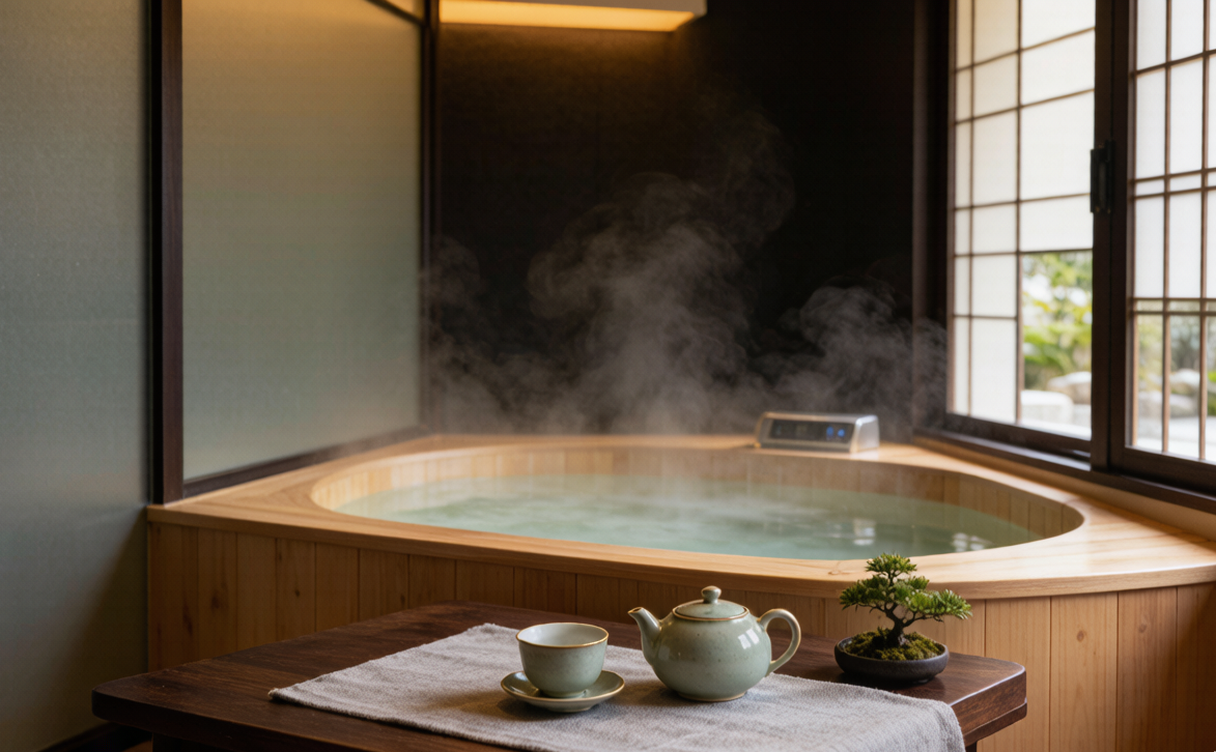
Although the word onsen is Japanese, onsen style resorts in China have grown popular, especially in the northeast and around Beijing. These borrow the Japanese format: indoor and outdoor baths, minimal swimwear, and a focus on quiet soaking. Some are run by Japanese-invested groups and follow similar etiquette. They suit travelers who want a calm, ritualized experience rather than a lively Chinese public bath.
Look for resorts that label themselves “riyuan” (日式, Japanese-style) and check whether they separate genders or allow mixed, clothed bathing. Standards vary, so read recent reviews before booking.
Hot Spring Etiquette in China
Knowing hot spring etiquette in China keeps you comfortable and respectful. First, shower thoroughly before entering any pool; this is expected and posted at most resorts. Most public springs are nude or swimwear-optional depending on the venue, so follow the local norm and watch what regulars do. Tattoos can still be frowned upon in older establishments, though many modern resorts now accept them; cover large pieces if unsure.
Do not dunk your head under water, do not swim vigorously, and limit each soak to fifteen or twenty minutes before cooling off. Children are welcome in family pools but should be supervised. Lockers, slippers, and robes are usually provided, and tipping is not required.
Booking and Timing
Resorts range from budget day-baths (around 100 yuan) to luxury overnight stays (over 1,000 yuan). Book directly through the hotel website or a Chinese travel app, and confirm whether entry includes meals. Weekends and public holidays fill fast, so reserve midweek stays if your schedule allows. For travelers building a cold-weather route, our best winter destinations in China lists which cities pair well with a soak.
Resorts for Every Budget
For a design-led stay, our best boutique hotels in China includes several spring-side properties with private tubs. If you prefer sleeping under the stars between soaks, our China glamping and camping guide covers hot-spring-adjacent sites in Yunnan and Sichuan. Private in-room baths cost more but solve the etiquette question entirely for shy travelers.
Health and Safety Notes
Pregnant travelers and anyone with heart conditions should consult a doctor before long soaks, since hot water raises pulse and blood pressure. Stay hydrated and avoid alcohol immediately before or after bathing. At high-sulfur sites like Tengchong, the smell is normal and the water is safe, but rinse off afterward to protect your skin and swimwear.
A Sample Soak-and-Explore Plan
Spend two nights in Tengchong for volcanoes and springs, fly to Chongqing for a city soak, then head north to the northeast for a snow-side pool. Trains and domestic flights connect these regions efficiently, and the contrast between Yunnan’s steam and the northeast’s frost is the point of the trip. Keep one light day between heavy soak days so your body recovers.
Day Trip Versus Overnight Stay
Deciding how long to stay changes the whole experience. A day pass lets you try several public pools and costs little, but you miss the evening and early-morning calm when resorts are quietest. An overnight stay in a spring-side room with a private tub lets you soak twice without the crowd and wake to mountain mist. For first-time visitors, one night is the sweet spot: enough to learn the rhythm without committing a whole weekend.
What to Pack for a Soak
Bring your own swimwear only if the venue requires it, since many Chinese public baths are nude or provided-robe. A small dry bag for phone and wallet, flip-flops with grip, and a waterproof watch help you relax. Resorts sell basic toiletries, but a familiar moisturizer is wise because mineral water can dry skin. If you plan to photograph the steam, go at opening time when the light is soft and the pools are empty.
Combining Springs With Nearby Sights
Most great resorts sit within reach of other attractions, which is the smart way to fill non-soaking hours. Around Tengchong, the Heshun village and volcanic park fill a day; near Chongqing, the Yangtze cable car and hotpot streets are minutes away; in the northeast, ski fields share the same valleys as the outdoor pools. Our best winter destinations in China extends this idea with full cold-weather routes that weave baths into broader plans.
Conclusion
From Yunnan’s volcanic steam to the snow-ringed pools of the northeast, China offers a hot spring experience for almost every taste and budget. Learning the basic etiquette and timing your visit to the season unlocks the best of it. For an official overview of geothermal and wellness travel options, the China National Tourism Administration lists certified hot spring destinations by province.