

This Changzhi travel guide is for travelers who want the drama of Shanxi’s mountains without the tour-bus throngs of the famous northern sights. Changzhi lies in the southeast corner of Shanxi province, pressed against the Taihang Mountains that divide Shanxi from Hebei and Henan. The city is the gateway to the Taihang Grand Canyon, a red-cliff gorge threaded by an emerald river and a cable car, and it carries the deep history of the old Shangdang region. If you like hiking in the morning and temple architecture in the afternoon, Changzhi fits neatly into a Shanxi road trip.
Where Changzhi Is
Changzhi sits at around 1,000 meters above sea level in a basin ringed by the Taihang range. It is roughly 220 kilometers from Taiyuan, 300 from Datong if you go the long way, and about 250 kilometers from Luoyang across the mountains in Henan. The altitude keeps summers cooler than the plains to the south, which is one reason hikers like it.
How to Get to Changzhi
The practical entry point is Taiyuan or Luoyang. High-speed trains from Taiyuan to Changzhi take about 1.5 to 2 hours; from Luoyang it is closer to 2 to 2.5 hours. There is also a small airport, Changzhi Wangcun, with limited domestic flights, mostly from Beijing and Taiyuan. Within the region, a Taiyuan travel guide covers the provincial capital you will likely route through, while the northern classics in our Datong travel guide — the Yungang caves and the hanging monastery — pair well if you are driving a grand Shanxi loop.
Buses from Changzhi city to the canyon counties (Huguan especially) run frequently from the main long-distance station; the ride to the Taihang Grand Canyon scenic gate is about 1.5 hours. A private car gives you far more flexibility to reach the smaller gorges and the scattered mountain temples.
Best Time to Visit Changzhi
The best time to visit Changzhi is late spring (May to June) and autumn (September to October). Spring brings green valleys and manageable trail temperatures; autumn is the standout, with the canyon walls turning red and gold and clear, dry hiking weather. Summer is pleasant but can be rainy in July and August, when the gorges run full and slippery. Winter closes some cable cars and high trails, though the lower temples stay open.
Avoid the National Day week in early October if you can — the canyon gets busy then, but it is still quieter than Pingyao or the Datong sites.
Things to Do in Changzhi
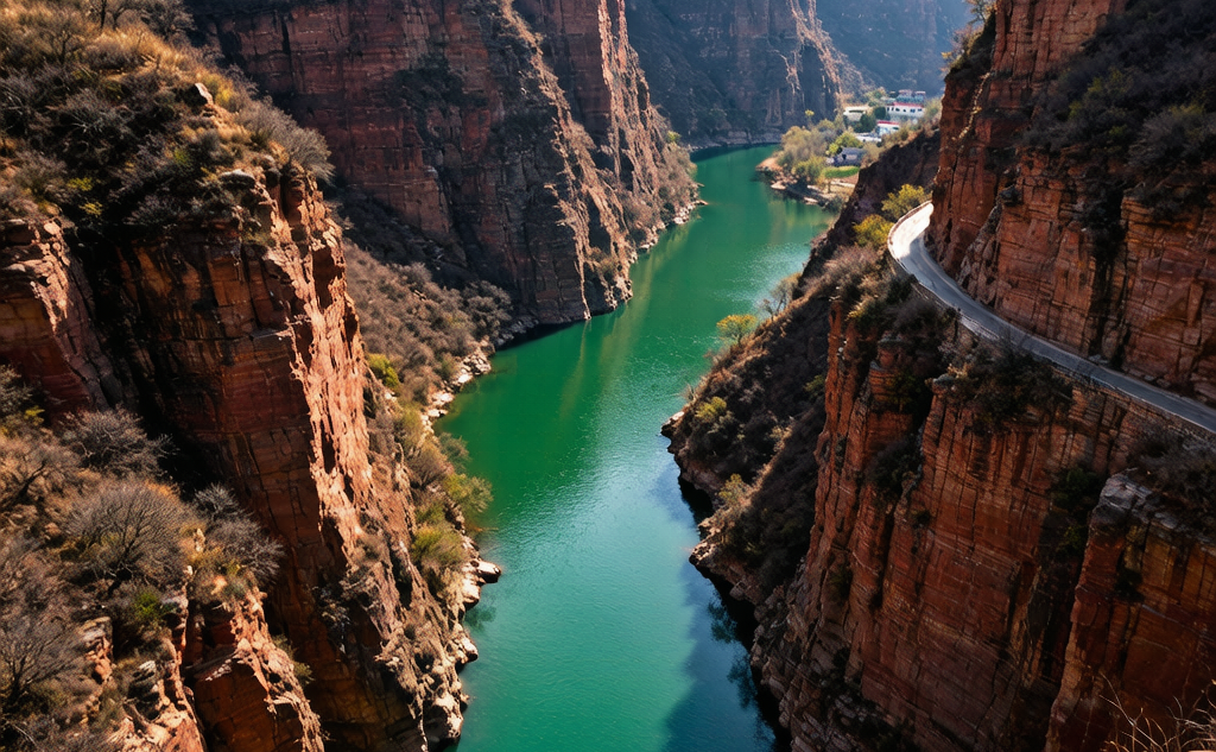
Taihang Grand Canyon (Huguan). The headline sight. The Baquan Gorge (Eight Spring Gaps) is the centerpiece: a steep red-rock canyon with a glass viewing platform, a cable car up to a high ridge, and a boat ride on the jade-green reservoir at the base. Plan a full half-day to a day; the combination of walking, cable car, and boat covers the highlights without rushing. The air is clean and the scale is genuinely impressive.
Tongtian Gorge. A second, less-crowded canyon nearby, known for its clear lake, waterfalls, and a cliff-hung walkway. It is a good alternative or add-on if you want a second day in the mountains without repeating the same views.
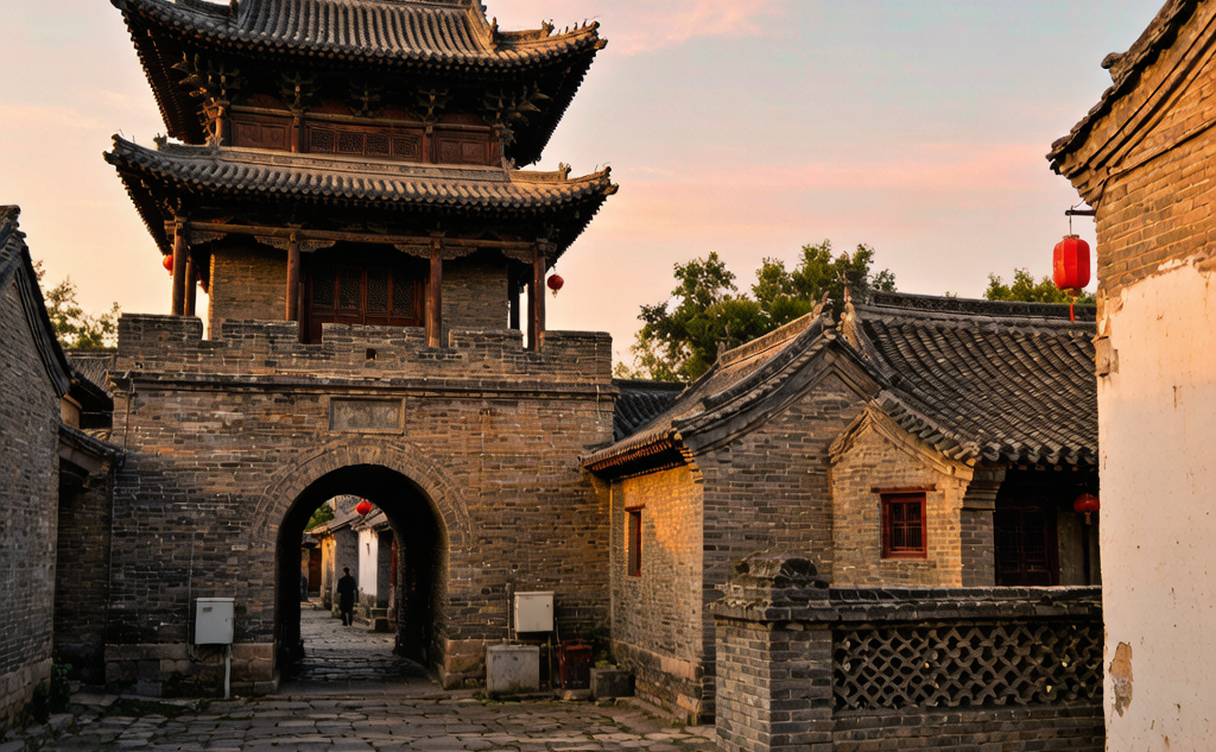
Shangdang culture and old city. Changzhi was the heart of the ancient Shangdang commandery, a strategic highland fought over for two millennia. In the city proper, the Shangdang Gate and the nearby memorial halls trace that history; the Pingyao ancient town guide is worth reading beforehand to understand the broader Shanxi walled-town tradition you are traveling through.
Tianji Mountain and Luoyang connections. East of the city, Tianji Mountain has cliff temples and a waterfall walk. If your route continues south, the Luoyang travel guide covers the Longmen Grottoes and the White Horse Temple, an easy next step across the border in Henan. For travelers heading west into Shaanxi afterward, the Xi’an travel guide details the Terracotta Army and the city walls.
A Changzhi Itinerary
A balanced Changzhi itinerary:
- Day 1: Arrive from Taiyuan or Luoyang, settle in the city, visit the Shangdang Gate and a local noodle shop.
- Day 2: Full day at the Taihang Grand Canyon — cable car, glass platform, reservoir boat.
- Day 3: Tongtian Gorge or Tianji Mountain, then train on to your next Shanxi stop.
If you have only one day, commit it entirely to the Taihang Grand Canyon; the in-town sights are minor by comparison.
Food and What to Eat
Changzhi eats the hearty Shanxi way. The province is famous for vinegar, and here you will meet it in dipping sauces, braised dishes, and even ice cream. Try the knife-cut noodles (dao xiao mian) with tomato-and-egg or braised pork, the local lu chang (donkey meat) sandwiches if you are adventurous, and the sweet tangyu (candied yam or hawthorn). Mountain villages sell wild herbs and mushroom dishes in season. Meals are inexpensive; a filling noodle bowl costs 15 to 25 yuan.
Pairing Changzhi With the Region
Changzhi is the southeast anchor of a Shanxi circuit. North, Taiyuan and Datong give you the big temples and caves; east, the mountains roll into Hebei; south, Luoyang and Xi’an extend the trip into Henan and Shaanxi. Because the city sits on a crossroads, it works as either a relaxing midpoint or the scenic finale of a driving route.
Changzhi Travel Tips
A few Changzhi travel tips: book canyon accommodation in Huguan if you want sunrise in the gorge, but book early in October; wear proper shoes — the canyon trails are real mountain paths, not paved promenades; bring a layer even in summer, since the gorge floor stays cool and the cable-car tops are windy; and carry cash for the small temples and village stalls, where card readers are unreliable.
For a neutral, factual primer on the city and its setting, Wikipedia’s Changzhi page is a useful read before you go.
Getting Around and Staying
Inside Changzhi city, buses and taxis are cheap and the core sights are close. For the gorges, the intercounty buses are workable but infrequent in the afternoon, so a driver or rental car is the comfortable choice. Hotels range from standard city business towers to guesthouses at the canyon mouth; the latter let you beat the day-trip crowds to the cable car.
Where to stay depends on your plan. If the canyon is the point, sleep in Huguan at the gorge mouth — a simple guesthouse there puts you at the cable car before the coach tours arrive, and the sunrise over the red cliffs is worth the early alarm. The city proper has the better hotels and restaurants but adds 1.5 hours each way to the gorge. Rooms in the city run 200 to 350 yuan for a comfortable mid-range stay; at the canyon, expect simpler, family-run places at similar or lower prices, especially outside October. Book ahead in autumn color season, when the limited mountain rooms fill fast. The city’s noodle shops and vinegar tastings are a pleasant low-key evening if you base downtown, and a hot-spring hotel on the city’s edge is a good reward after a day of cliff walking.
Changzhi rewards travelers who like their scenery big and their towns uncrowded. Ride the cable car above the red cliffs, listen to the river echo up the gorge, and you will understand why Shanxi’s southeast corner is worth the detour.