

This Dongguan travel guide makes the case for a city that most travelers only see from a train window between Guangzhou and Shenzhen. Dongguan, in the heart of the Pearl River Delta of Guangdong province, is one of China’s great manufacturing centers — but look past the factory zones and you find a Lingnan classical garden ranked among the best in the south, the coastline where the 19th-century opium conflict began, and quiet village lanes that predate the factories by centuries. It is an easy, low-pressure day or overnight stop on a Guangdong trip.
Where Dongguan Is
Dongguan sits in central Guangdong, wedged between Guangzhou to the northwest and Shenzhen to the southeast, with the Dongjiang River cutting through it. It is roughly an hour from either city by high-speed rail or car. The city has no single dense downtown; instead it is a cluster of towns, each with its own character — Humen by the sea, Keyuan in the old urban core, Songshan Lake out among the hills.
How to Get to Dongguan
High-speed rail is the simplest route. Trains from Guangzhou South to Dongguan (Humen or Dongguan station) take 20 to 40 minutes; from Shenzhen North it is about 20 to 30 minutes. The city also sits on the Guangzhou–Shenzhen intercity line, so frequent commuter-style trains make hopping in and out trivial. If you are building a delta circuit, our Guangzhou travel guide is the usual starting point, while Shenzhen’s malls and border crossings sit at the southeast end of the same corridor.
Dongguan’s own airport service is limited, so most travelers fly into Guangzhou Baiyun or Shenzhen Bao’an and rail in. Within the city, ride-hailing apps and the cheap metro-bus network handle local moves; a car helps if you want to reach the scattered villages efficiently.
Best Time to Visit Dongguan
The best time to visit Dongguan is autumn (October to December) and spring (March to April). These windows avoid the worst of the summer heat and the frequent typhoon-related rain that can disrupt coastal plans from June to September. Winter is mild and dry — pleasant for garden walks — though it is also the peak season for the nearby delta cities, so book ahead. Summer is hot and sticky, but the gardens and indoor museums stay comfortable.
Keep an eye on the weather apps during typhoon season; a coastal storm can close the Humen ferry and outdoor sites for a day.
Things to Do in Dongguan
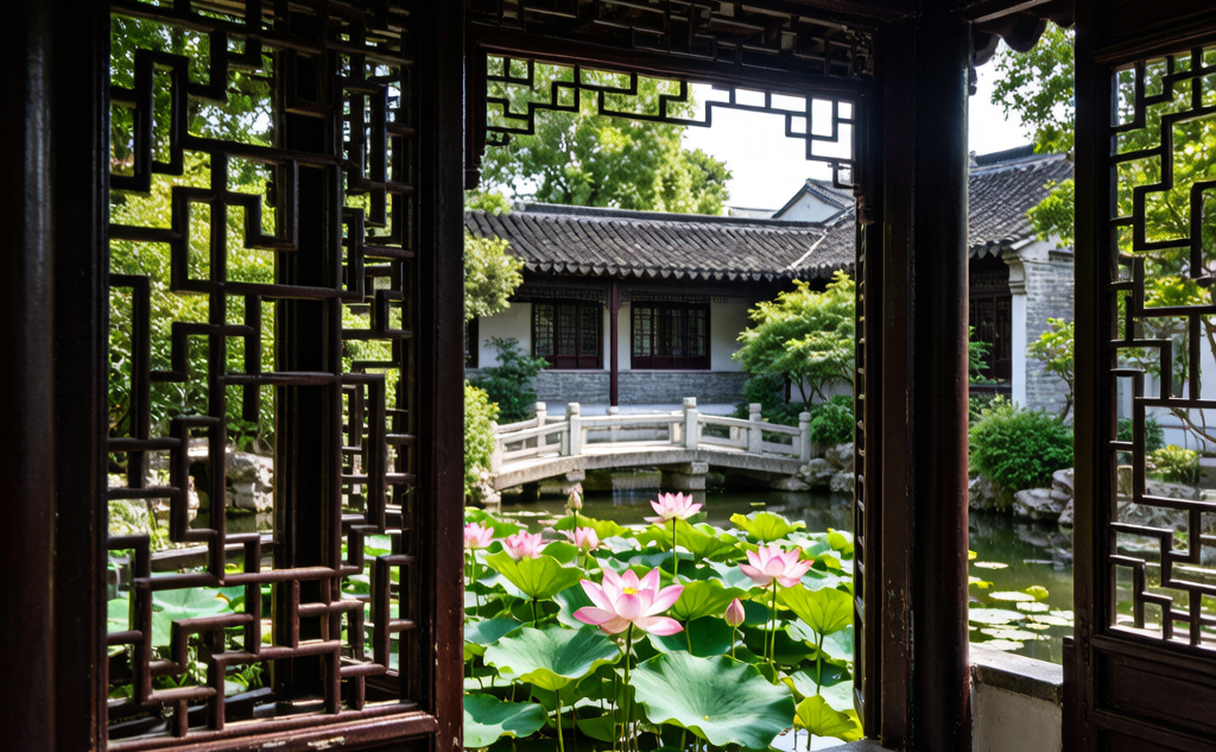
Keyuan Garden. The jewel of the city and one of the four great classical gardens of Guangdong. Built in the Qing dynasty, Keyuan packs ponds, lattice windows, lotus pools, and miniature rockeries into a compact walled compound. It is far less crowded than the famous gardens up in Suzhou, and the Lingnan styling — brighter, more open, with clever ventilation — is distinct. Allow two hours and go in the early morning for the best light on the water.
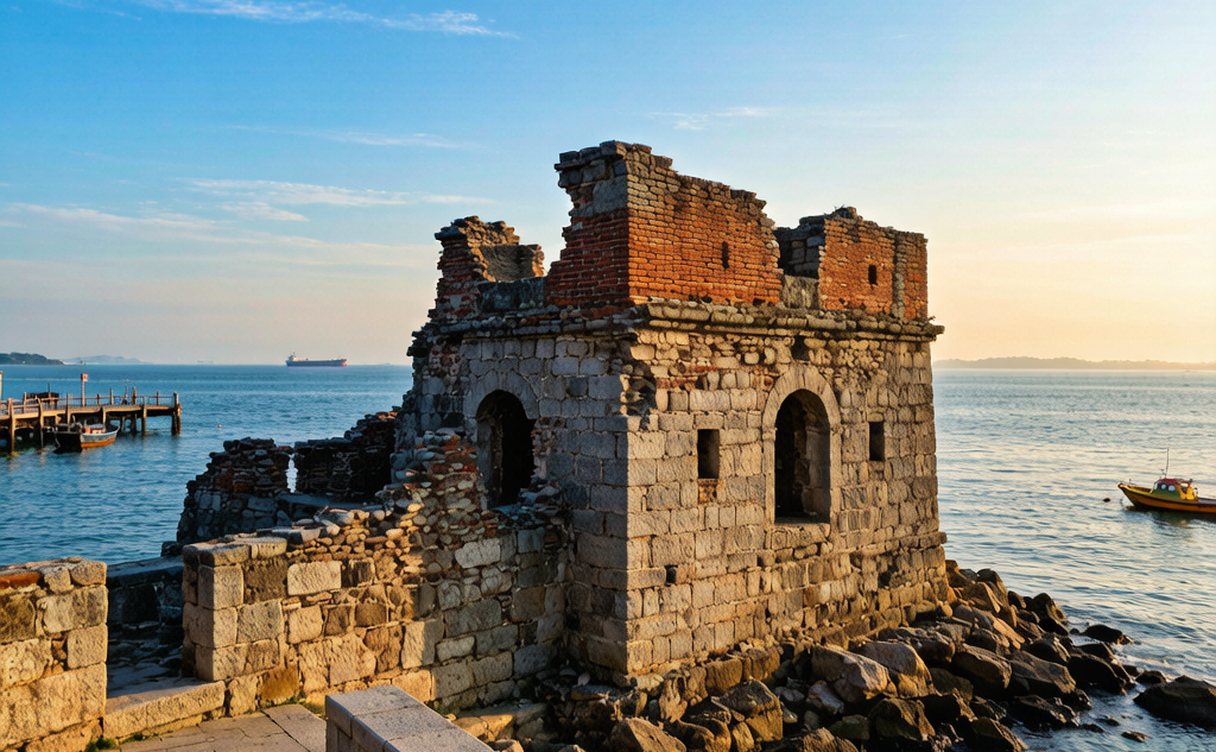
Humen and the Opium War sites. Humen town, on the estuary, is where the 1839 destruction of opium stockpiles triggered the First Opium War. Today you can tour the Weiyuan Fort (Weiyuan Paotai), the seaside batteries, and the Opium War Museum, which lays out the conflict with artifacts and maps. History buffs will find a half-day here absorbing. The coastal walkway by the forts is breezy and good for sunset.
Nanshe Ancient Village. In Chashan town, Nanshe is a preserved Ming–Qing era village of grey-brick homes, ancestral halls, and narrow lanes that feel centuries away from the factories. It is free to wander, with teahouses and small guesthouses; go on a weekday for the fullest sense of its quiet.
Songshan Lake. Out in the hills northeast of the core, Songshan Lake is a planned green belt with cycling paths, a lakeside promenade, and low-rise tech campuses. It is the soft side of modern Dongguan — good for a bike ride or a picnic if you want a break from urban noise.
A Dongguan Itinerary
A relaxed Dongguan itinerary:
- Day 1: Arrive from Guangzhou, visit Keyuan Garden, walk the old core, eat Cantonese dinner.
- Day 2: Morning at Humen forts and the Opium War Museum, afternoon at Nanshe Ancient Village, sunset by the estuary.
- Day 3 (optional): Songshan Lake cycling, then train on to Shenzhen or Zhuhai.
If you only have a day, do Keyuan and Humen — they capture both the refined and the historic sides of the city.
Food and What to Eat
Dongguan eats Cantonese, with a delta twist. The morning dim sum is the highlight: shrimp dumplings, rice-flour rolls, and pork buns at any neighborhood teahouse. The Humen area is known for its seafood — steamed grouper, salt-baked crab, and clams. Look also for Daojiao rou》 (Daojiao braised pork) and the local lunjiao zhengbing (steamed rice cakes). A dim sum breakfast for two rarely exceeds 60 yuan, and evening seafood runs 100 to 200.
Pairing Dongguan With Guangdong
Dongguan slots cleanly into a Pearl River Delta loop. Beyond Guangzhou and Shenzhen, Foshan’s Lingnan architecture — ancestral temples and the birthplace of Cantonese opera — is an easy northwest add-on, while Zhuhai to the southwest offers a quieter coastal counterpoint near the Macau, China border. The four cities together make a compact, train-connected circuit.
Dongguan Travel Tips
A few Dongguan travel tips: the city’s towns are spread out, so pick one base (the old core near Keyuan, or Humen if you want the coast) rather than trying to see everything by bus; buy garden and museum tickets through a Chinese app to skip queues; carry mosquito repellent in summer for the village and lakeside walks; and learn the Cantonese pronunciation of place names, because taxi drivers respond faster to them than to Mandarin.
For a factual, neutral background on the city, Wikipedia’s Dongguan page is a reliable read before you arrive.
Getting Around and Staying
Dongguan’s metro and bus network is improving but still patchy between towns, so ride-hailing is the realistic default. Hotels cluster in the urban core and near the rail stations; the Humen area has waterside options if you want the forts on your doorstep. International booking sites list the big chains, but the characterful smaller hotels are best found on Chinese platforms.
Where to stay comes down to mood. The old urban core near Keyuan is the most convenient base — walkable gardens, teahouses, and the best dim sum — while Humen suits travelers who want the forts and the sea on their doorstep. Mid-range hotels in either area run 250 to 400 yuan, and the bigger international chains sit near the rail stations for early departures. The factory towns in between are best avoided as a base; they are functional but charmless. If you want a calm evening, pick a hotel with a pool or a rooftop near Songshan Lake rather than one beside a highway interchange, and book the Keyuan-area places early on spring weekends when the garden crowds swell.
Dongguan surprises people. Expecting only factories, visitors instead find a lotus pond framed in grey brick, a sea fort where modern Chinese history turned, and village lanes that have stood for 500 years. It is the kind of stop that rewards the traveler who bothered to get off the train.