

When travellers ask us for a Beijing day trip that isn’t the Forbidden City, we often point west to Mentougou. This Beijing Mentougou travel guide covers a district on the city’s mountainous edge where you find stone courtyard villages, old Buddhist temples, and ridge trails in the Western Hills. It is an easy escape from the crowds, and you can do it as a long day trip or an overnight with a driver.
Why Mentougou instead of central Beijing
Mentougou is the southwestern mountain district of Beijing municipality, bordering Hebei. It is cooler than the city core in summer and quiet almost all year. The draw is not one monument but a mix: villages built of grey stone, temples with 1,000-year-old trees, and hiking on old mountain paths. We send photographers and slow travellers here rather than first-timers squeezing in the headline sights.
If you are still deciding how to split your China time, our Beijing vs Shanghai comparison helps you choose the right base before adding a Mentougou day.
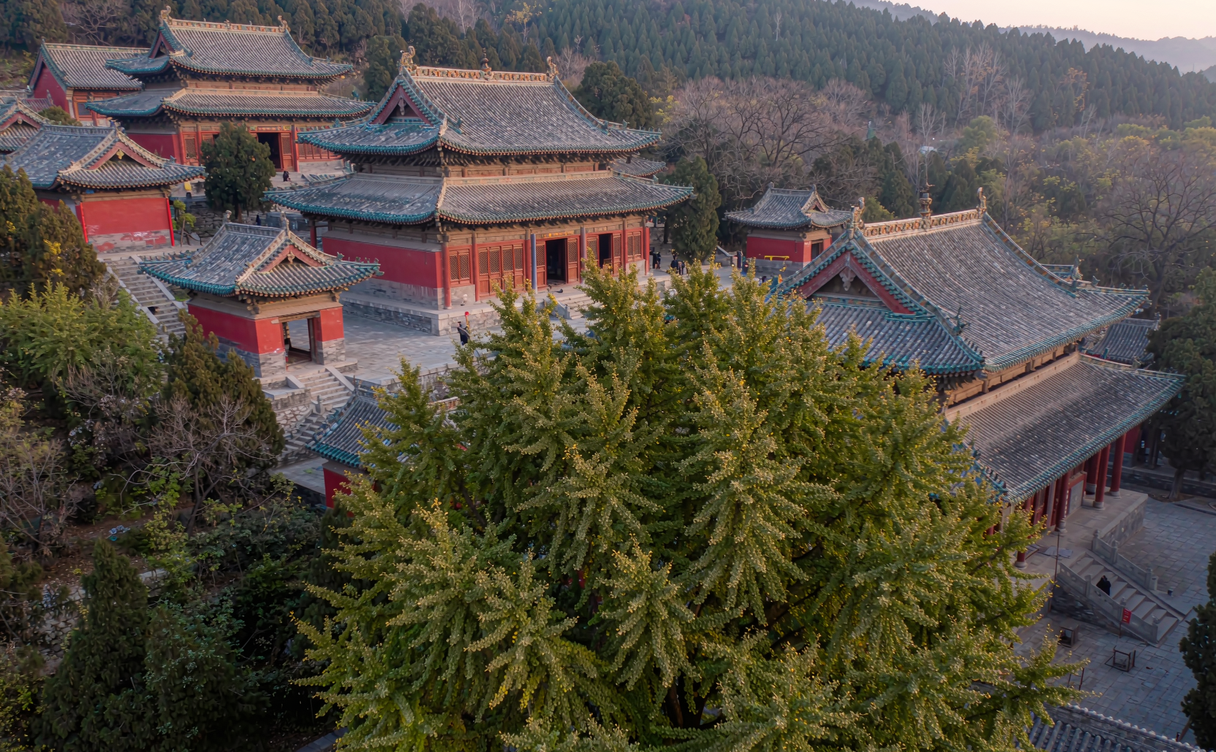
Things to do in Mentougou Beijing
The things to do in Mentougou Beijing break into three clusters:
- Tanzhe Temple – the largest and oldest temple in the district, with layered halls and a 1,000-year-old ginkgo.
- Jietai Temple – known for its ordination terrace and quiet pine groves.
- Cuandixia Village – a preserved Ming–Qing stone village, the best of the Mentougou ancient villages.
- Lingshui Village – another historic village with scholar’s residences and old wells.
- Western Hills ridge hikes – trails above the villages with views back toward the plain.
- Mentougou museum and local food streets – light, optional.
We usually pair one temple with one village in a single day and save the ridge hike for travellers who want to move.
Mentougou ancient villages
The Mentougou ancient villages are the district’s most photogenic asset. Cuandixia (also written Cuandixia) sits in a small valley, its houses built of local stone on a hillside, with narrow lanes and carved doorways. It is ticketed: about ¥35–45 per person, open 08:00–17:30. Go on a weekday; weekends bring Beijing day-trippers.
Lingshui Village is quieter and less restored, good if you want atmosphere over polish. Both villages have a few family guesthouses where you can eat a farm meal (¥40–70 per person) of corn cakes, wild vegetables, and stewed pork.
For travellers who like old towns elsewhere in China, our Hongcun ancient village guide covers a very different Anhui style you can compare later in the trip.
Beijing western hills temples
The Beijing western hills temples are the cultural core. Tanzhe Temple charges about ¥50–65 per person and is open roughly 08:00–17:00. The walk through its terraces takes 1.5–2 hours. Jietai Temple is smaller, about ¥30–45, and calmer; we send travellers who want fewer people there.
Both temples sit in pine forest, so they are cool even in July. A driver from central Beijing reaches Tanzhe in about 1.5–2 hours depending on traffic. If you want temple context before visiting, the English Wikipedia page on Mentougou District gives a plain factual overview of the area.
Mentougou Cuandixia village: a closer look
The Mentougou Cuandixia village stop deserves its own note because it is the one most travellers remember. The village has roughly 70 courtyard homes from the Ming and Qing periods, built by a single extended family clan. The stonework and the hillside layout are the point; there is no grand hall. Wear good shoes, the lanes are uneven.
We recommend arriving before 10:00, walking the upper lanes for the valley view, then eating in a courtyard guesthouse. Combine it with Tanzhe Temple on the way back so the day has both a temple and a village.

Beijing Mentougou hike
A Beijing Mentougou hike is easy to arrange but needs a local driver who knows the trailheads, because signage is mostly in Chinese. The ridge above Cuandixia is a moderate 2–3 hour walk with open views. The trails near Tanzhe and Jietai are gentler forest paths.
We don’t send unprepared travellers onto the high ridges in winter; ice and wind make them risky. Spring (April–May) and autumn (September–October) are the safe, pretty windows.
For a very different mountain walk later, our Huangshan Yellow Mountain guide covers the famous granite peaks in Anhui, and our Dinghu Mountain guide describes a forested Guangdong climb.
How to get there and what it costs
- Private car from central Beijing: ¥500–800 for a half-day, ¥800–1,200 for a full day with a driver. This is what we book; public buses exist but take longer and leave you stranded between sites.
- Public bus: line 892 from Pingguoyuan subway to the village area, about 2–2.5 hours, ¥10–15, but connections between sites are poor.
- Entry totals: budget ¥115–155 per person for temple and village tickets in a two-stop day.
What to eat in Mentougou
The district’s food is plain mountain cooking, not Beijing fine dining, and that is the point. Villages serve corn cakes (wowotou), wild vegetables picked in season, stewed free-range pork, and smoked tofu cooked over a wood fire. A farmhouse set meal runs ¥40–70 per person and is usually more than you can finish. In the temple towns you will also find vegetarian noodle bowls for ¥20–35.
We tell travellers to eat at a courtyard guesthouse rather than the roadside stalls near the car park, where prices rise with the tour buses. The guesthouse owners in Cuandixia and Lingshui know the recipes and will explain the dishes if you point at the table. Bring small cash; cards are unreliable in the villages.
Where to stay
Most travellers return to a Beijing hotel the same day. If you overnight, Cuandixia and Lingshui have family guesthouses at ¥200–400 per room, basic but clean, with included farm breakfast. We book these only for travellers who want the morning light in the empty lanes.
Sample two-day plan
Day 1
- 08:00: private car from Beijing, drive to Tanzhe Temple.
- 10:00–12:00: temple walk.
- 12:30: lunch at a village guesthouse.
- 14:00–16:30: Cuandixia Village.
- 17:30: return to Beijing or overnight in the village.
Day 2 (optional)
- 08:30: Jietai Temple.
- 10:30: short Western Hills ridge walk.
- 13:00: lunch, return to city.
FAQ
How far is Mentougou from central Beijing?
About 50–90 km depending on the site. With a driver it is 1.5–2 hours each way from the city centre.
Is Mentougou worth it if I have only three days in Beijing?
If your three days are a first visit, priority Beijing proper. Mentougou fits a second or third trip, or a traveller with 5+ days who wants a calm mountain day.
What is the best season for Mentougou?
April–May for green hills and blossoms, and September–October for clear air and colour. Avoid the hot July weekends and the icy winter ridges.
Can I do Mentougou by public transport?
Yes to the main village by bus 892, but linking temple and village without a car is slow. We book a driver for most foreign travellers.
Are the temples religious sites I should dress for?
They are active Buddhist temples. Cover shoulders and knees, speak quietly, and ask before photographing anyone at prayer. Our Xiamen Nanputuo Temple guide has similar etiquette notes for temple visits elsewhere in China.