

Tacheng, in Xinjiang, China, is a border prefecture in the far northwest that most foreign visitors have never heard of. We send travellers there when they want a corner of Xinjiang that feels nothing like the Turpan or Urumqi circuits. The city of Tacheng carries old Russian and Central Asian building styles, while the surrounding valleys open into green border grassland where Kazakh herders still move with the seasons. This Tacheng Xinjiang, China travel guide covers what to see, what it costs, and how to move through the region without wasting a day.
First impressions of the city
The city of Tacheng sits at about 1,000 metres, far lower and greener than the desert basins of southern Xinjiang. Walk the quiet streets and you will see timber houses with carved eaves and faded paint, a legacy of 19th-century Russian settlement and trade. The old district near the centre keeps the best of this: low wooden buildings, apricot and poplar trees lining the roads, and a slow pace that surprises people who expected only desert.
We usually tell first-timers to spend their first afternoon just walking. There is no single ticketed “old town” gate; the architecture is the backdrop, not a museum. A proper Tacheng Xinjiang travel guide starts on foot, not at a ticket window.
Things to do in Tacheng Xinjiang China
The list of things to do in Tacheng Xinjiang China is built around three themes: buildings, grassland, and the border.
- Russian-style architecture walk – focus on the old wooden houses and the former consulate-area streets; bring a camera for the painted timber facades.
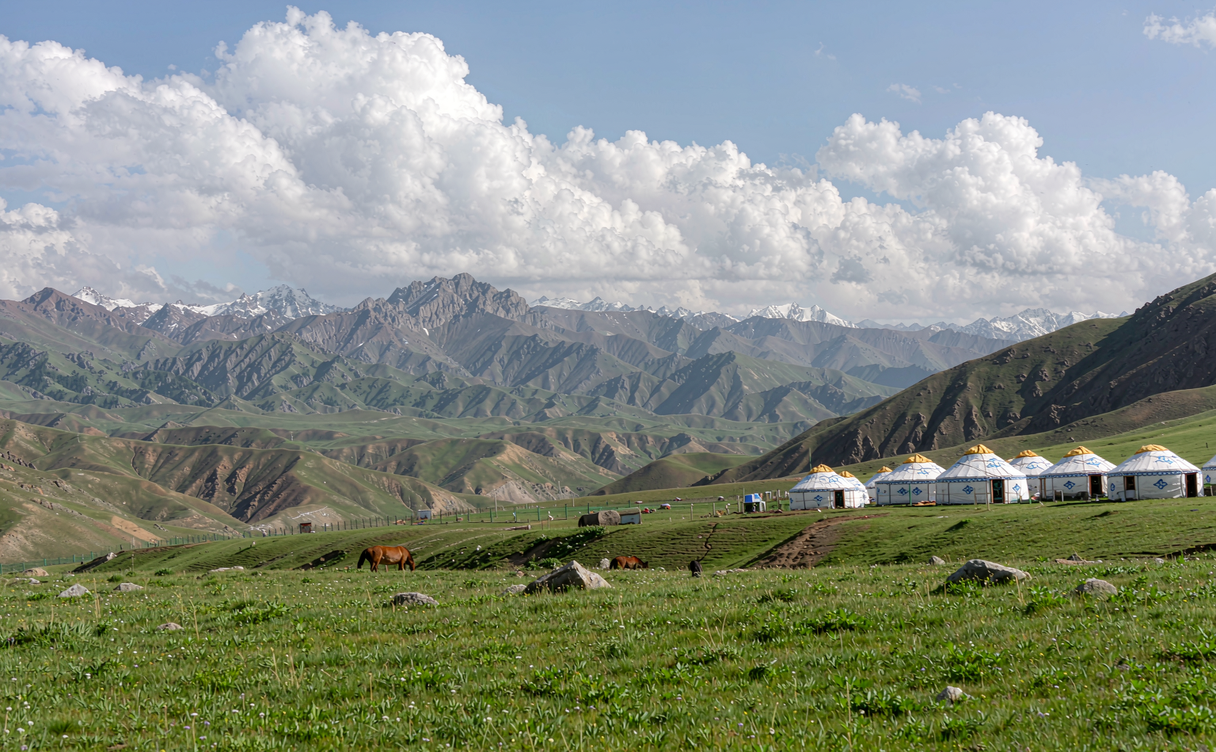
- Tacheng Border Grassland (Barrkul / pastoral valleys) – summer pastures where you can visit a yurt, drink milk tea, and watch sheep grazing against a mountain ridge.
- Tacheng Museum – modest, free, explains the region’s trade history and the many ethnic groups who live here.
- Qiaxia scenic area – hot springs and pine forest about 40 km out, good for a half-day drive.
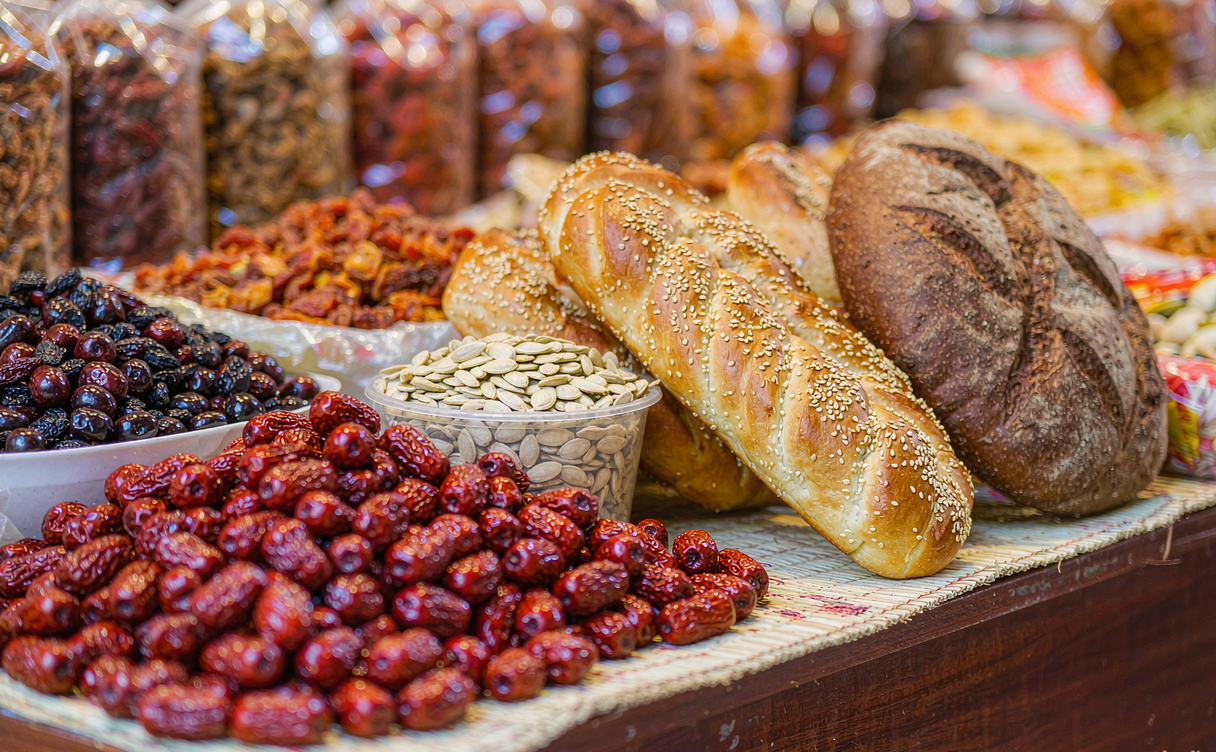
- Local bazaar – dried fruit, nuts, Russian-style bread, and dairy.
Our drivers usually suggest the grassland in the morning and the bazaar late afternoon when stalls are full.
Tacheng Russian architecture in detail
The Tacheng Russian architecture is the city’s signature. These are mostly one- or two-storey timber buildings with gabled roofs, decorative window frames, and front gardens. Many date from the late Qing and Republican period when Tacheng was a busy trade post on the border. A few are restored; many are lived-in and weathered, which is part of the appeal.
There is no entry fee to walk the streets. The best light is early morning, before traffic, when the painted wood glows. If you want the historical context before you go, the English Wikipedia page on Tacheng gives a plain factual overview of the city and its border history.
Tacheng border grassland and the seasons
The Tacheng border grassland is the reason to time your trip. From June to early September the valleys are green, wildflowers cover the slopes, and herders set up summer camps. By late September the grass turns gold and the cold comes fast; October already brings frost at night.
We send travellers there in late June or August for the fullest grassland, and in September for photography with fewer people. Winter closes most pasture access and the border wind is severe, so we don’t plan visits then.
A yurt visit with tea and a simple meal runs about ¥50–100 per person if arranged through a local host. Private transfer to the grassland areas costs roughly ¥200–350 round trip from the city.
Inside Tacheng the centre is flat and walkable, but the grassland and hot-spring valleys are 30–50 km out with no useful public option, so we always pre-book a car for the day. Our drivers usually carry basic English and handle the yurt host contact, which removes the main friction for foreign travellers who don’t speak Chinese.
Tacheng Xinjiang food
Tacheng Xinjiang food blends Uyghur, Kazakh, Han and Russian influences. Standouts:
- Laghman – hand-pulled noodles with stir-fried vegetables and meat, ¥18–30 a bowl.
- Russian-style bread (liebo) – a dense round loaf sold at the bazaar, ¥5–10.
- Shashlik – mutton skewers, ¥3–6 each.
- Dried fruit and nuts – apricots, raisins, walnuts by the kilogram.
- Milk tea and fermented mare’s milk – try a small cup before committing to a bowl.
A filling meal at a local restaurant is ¥35–70 per person. The night bazaar is the cheapest and most fun option.
Tacheng to Urumqi trip
Most travellers reach Tacheng from Urumqi. The Tacheng to Urumqi trip is long by road, so we use the train or a flight.
- Flight: Tacheng airport has daily flights to Urumqi, about 1 hour, ¥400–900 depending on season.
- Train: slower, roughly 9–11 hours by regular rail; not high-speed, so we rarely recommend it for short trips.
- Private car: about 550 km, 8–9 hours, ¥1,200–1,600 one way. Only worth it if you want to stop at Karamay or scenic spots en route.
From Urumqi you can extend into a wider Xinjiang loop. Our Xinjiang 7-day itinerary shows how to pair north and south routes, and our Tianchi Heavenly Lake Xinjiang guide covers the alpine lake near Urumqi that pairs well with a Tacheng add-on.
Where to stay
Stay in the city centre, walking distance from the old streets. Mid-range hotels run ¥200–360 per night; a few better ones reach ¥450. Rooms are clean but rarely international-standard, so we set expectations accordingly. Book ahead for July–August and the National Day week.
For a grassland overnight, some herder camps offer yurt stays at ¥120–200 per person including meals, but facilities are basic (shared toilet, no heating issue in summer). We arrange these only for travellers who are fine with rustic conditions.
Sample two-day plan
Day 1
- Morning: arrive by flight from Urumqi, check in.
- Afternoon: Russian-architecture walk and the old streets.
- Evening: bazaar for bread, dried fruit, and shashlik.
Day 2
- 08:00: drive to the border grassland, yurt visit and short walk.
- 13:00: back to town for lunch.
- 15:00: Tacheng Museum, then rest or depart.
FAQ
Do I need a border permit for Tacheng?
The city and the standard grassland areas do not require a special permit for foreign visitors. The actual international boundary is closed to casual crossing; you only view the pasture near it.
What is the best time to visit Tacheng?
Late June to early September for green grassland, or September for gold colours and fewer crowds. Avoid November to March because of cold and limited access.
Is Tacheng safe and easy to visit independently?
Yes. It is a calm prefecture-level city. English is scarce, so a translation app and a pre-booked driver help. We usually arrange a local driver for the grassland day.
How long should I plan for Tacheng?
Two days covers the city and one grassland outing. Add a third if you want the hot-spring valley or a slower pace.
Can I combine Tacheng with Turpan or Kashgar?
Yes, but it means a flight back to Urumqi as a hub. Our Xinjiang Karez wells Turpan guide explains the Turpan side if you want desert irrigation history after the green north.